Boost Efficiency: Custom titanium alloy Flanges for Every Application
Custom Titanium Alloy Flange For All Industrial Applications serves as a vital high-performance piping connector preferred by B2B procurement managers, OEM factories, industrial distributors and manufacturers across Europe and North America. Standard flanges often fail to satisfy unique operating parameters under extreme environments, while custom titanium alloy flanges deliver tailored dimensions, customized alloy grades and targeted mechanical performance to match diverse project requirements. Located in Baoji, known as China Titanium Valley, QYX METAL CO., LTD specializes in tailor-made titanium alloy flanges, alongside premium Titanium Forgings and Titanium Fittings. We integrate independent development, precision forging and finished product processing to supply reliable titanium connection solutions for global industrial clients.
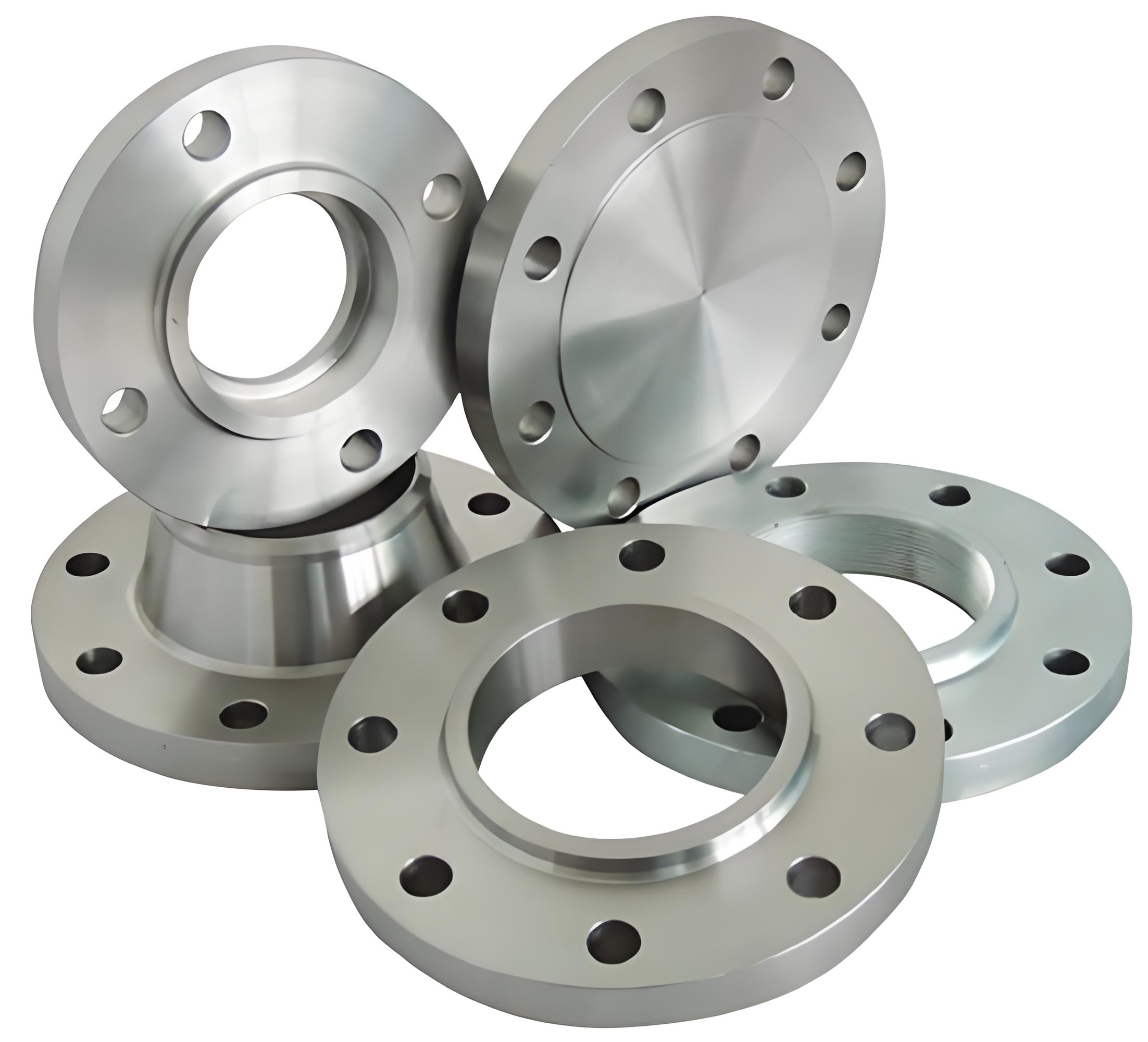
1. Introduction to Titanium Alloy Flanges
Titanium alloy flanges are core mechanical components designed to connect pipelines, pressure vessels and industrial equipment, achieving detachable sealing and structural fastening. Manufactured from pure titanium or α-β titanium alloy raw materials, they belong to the category of titanium pressure-bearing structural parts. As an important branch of Titanium Forgings, titanium flanges can be produced via hot forging, machining and precision forming processes. Common types include weld neck flange, slip-on flange, blind flange, threaded flange and lap joint flange. Unlike stainless steel or carbon steel alternatives, titanium alloy flanges feature lightweight structure, outstanding corrosion resistance and stable performance under high and low temperature conditions. Custom titanium alloy flanges break the limitation of fixed standard sizes, allowing buyers to adjust outer diameter, inner bore, thickness, bolt hole layout and surface treatment strictly according to their engineering drawings.
2. Benefits of Customization in Industrial Applications
- Perfect matching with existing equipment: Custom dimensions eliminate modification work on-site, shorten installation cycles and reduce extra engineering costs.
- Targeted material grade selection: Clients can select Grade 2 pure titanium or Grade 5 titanium alloy based on medium, temperature and pressure working conditions.
- Optimized sealing structure: Custom groove designs, surface roughness and anti-corrosion coating improve long-term sealing reliability.
- Reduced overall system weight: Lightweight customized structures are ideal for aerospace, marine and mobile industrial equipment.
- Compatibility with special media: Tailored titanium alloy formulas resist seawater, acid, alkali and chloride ion corrosion in chemical processing.
- Support OEM & ODM service: QYX accepts drawing-based customization, engraving client logos and unique technical specifications for project exclusive use.
3. Understanding Titanium Alloy Properties
Titanium and titanium alloys own a unique combination of physical and chemical properties that cannot be matched by conventional metal materials. The density of titanium is only 60% of steel, while tensile strength reaches or exceeds many stainless steel grades. The natural passivation oxide film enables excellent resistance against salt spray, seawater and most organic acids. Grade 2 commercially pure titanium focuses on corrosion resistance for low-pressure pipelines. Grade 5 Ti-6Al-4V titanium alloy delivers higher strength for high-pressure, load-bearing flange applications. These stable properties make custom titanium alloy flanges maintain structural integrity under cyclic pressure fluctuations. QYX strictly controls raw material quality for all flanges, sourcing qualified Titanium Materials and conducting chemical composition inspection before production.
4. Key Industries Utilizing Custom Titanium Alloy Flanges
- Aerospace industry: Used together with Aircraft Titanium Material and Aircraft Titanium Fasteners for aircraft hydraulic pipeline connections.
- Marine & offshore engineering: Deep sea pipeline systems, seawater desalination equipment and offshore platform fluid delivery systems.
- Chemical & petrochemical industry: Corrosive medium transport pipelines, reaction vessel connecting flanges.
- Medical equipment manufacturing: Matched with Medical Titanium Alloy for pharmaceutical production equipment.
- New energy industry: Hydrogen storage equipment, battery production facilities and thermal exchange systems.
- Automotive high-end manufacturing: Supporting lightweight modification projects with reliable Titanium Auto Part accessories.
5. Design Considerations for Custom Flanges
Before launching custom titanium alloy flange production, multiple critical design factors need full evaluation by engineering and procurement teams.
- Working pressure rating and maximum operating temperature range
- Transported medium: acidity, alkalinity, chloride concentration and oxidation characteristics
- Required flange type: blind, weld neck, slip-on or threaded structure
- Dimensional tolerance standards, bolt hole quantity, distribution and positioning requirements
- Surface finish, pickling treatment or mechanical polishing requirements
- Nondestructive testing standards including UT, MT and PT inspection demands
- International standard compliance: ASTM B348, ASTM B338, ASME B16.5 and related specifications
6. Manufacturing Process: From Concept to Completion
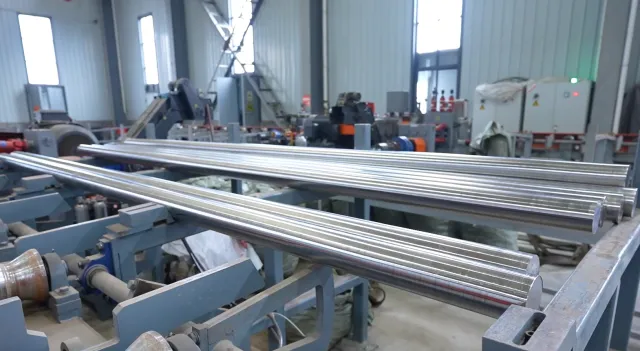
QYX follows standardized production workflows for all custom titanium alloy flange orders:
- Technical communication: Confirm customer drawings, material grade, inspection standards and delivery schedule.
- Raw material preparation: Cut qualified Titanium Bar blanks and perform component testing.
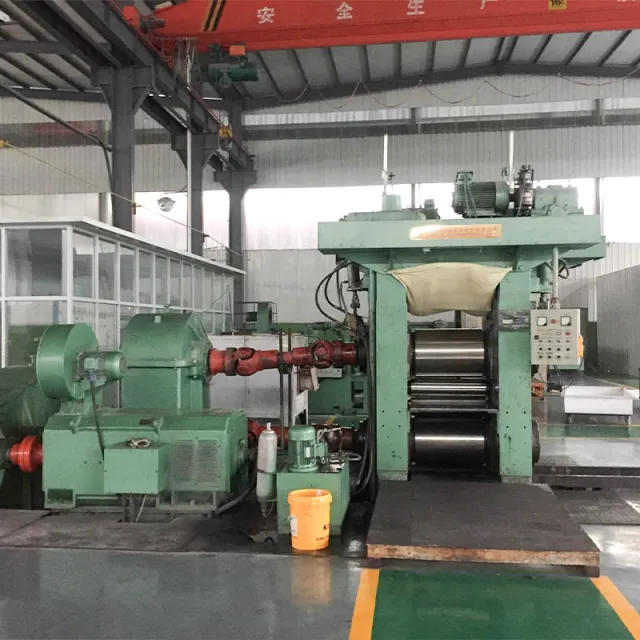
- Hot forging forming: Heat blanks to proper temperature and forge into rough flange blanks.
- Heat treatment: Annealing treatment to release internal stress and stabilize mechanical properties.
- Precision CNC machining: Process inner hole, sealing face and bolt holes according to drawings.
- Surface treatment: Pickling, cleaning and removing surface oxidation layers.
- Quality inspection: Dimension measurement, visual inspection and requested nondestructive tests.
- Packing and shipment: Anti-collision packaging suitable for long-distance ocean transportation.
7. Comparing Titanium Alloys with Other Materials
- Carbon steel flanges: Low cost, heavy weight, poor anti-corrosion ability, frequent rust maintenance required. Not suitable for marine and corrosive environments.
- 316L stainless steel flanges: Good corrosion resistance but higher density, unable to serve long-term in concentrated chloride working conditions.
- Nickel alloy flanges: Excellent comprehensive performance yet extremely high material and processing costs.
- Titanium alloy flanges: Lightweight, outstanding anti-corrosion, stable at medium high temperature. Higher upfront cost but greatly extended service life, reducing frequent replacement downtime losses.
8. Latest Industry Technical Dynamics of Titanium Flange Sector
During 2025–2026, the global titanium processing industry continues promoting near-net-shape forging technology for titanium structural components including custom titanium alloy flanges. Traditional multiple-cutting processing causes massive raw material waste, while optimized hot forging processes raise material utilization significantly. Major titanium manufacturers are widely adopting digital temperature control for forging furnaces to guarantee consistent grain structure across flange batches. Meanwhile, automated CNC machining lines and online automatic dimension scanning gradually replace manual detection, lowering human error rates. Environmental protection regulations become stricter across Europe and North America, pushing suppliers to adopt pollution-free pickling solutions. Buyers now pay extra attention to traceability of titanium raw materials and complete material test reports. Small-batch flexible customization turns into mainstream demand, as more medium-sized OEM manufacturers abandon large-volume standard flange stock and choose custom parts matching exclusive production lines.
9. 5 Core Concerns for European & American Industrial Buyers
Procurement managers from EU and US manufacturing enterprises focus on five decisive factors when sourcing custom titanium alloy flanges. First is strict compliance with international ASTM and ASME standards together with complete certification files such as ISO9001, TUV and BV test documents. Second is batch consistency of mechanical properties; inconsistent quality will trigger hidden dangers for pressure piping systems. Third is dimensional precision and delivery stability, as delayed shipments easily block whole factory construction or equipment upgrade schedules. Fourth is flexible customization capability, including support for small trial orders before formal mass procurement. Fifth is transparent after-sales technical support, including metallurgical consultation, material selection guidance and solutions for abnormal on-site assembly problems. Many purchasers refuse suppliers who cannot provide third-party inspection reports or fail to adjust processing parameters according to revised engineering drawings.
10. New Technology R&D and Innovative Application Trends
R&D institutions and leading titanium metal manufacturers keep exploring innovative technologies for titanium flange production and application. Surface modification technology such as micro-arc oxidation greatly improves wear resistance of titanium sealing surfaces, expanding service life under medium friction operating environments. Low-impurity smelting technology enhances purity of titanium raw materials, minimizing internal tiny defects of forged flanges used in aerospace and deep-sea high-pressure equipment. Hybrid simulation software is adopted to simulate stress distribution of custom flanges under complex temperature and pressure loads, helping engineers optimize thickness and structure before formal production. Application boundaries also keep expanding: custom titanium alloy flanges are no longer limited to chemical and marine industries. Demand grows rapidly in hydrogen energy facilities, carbon capture equipment and portable high-end devices matched with Titanium Outdoor Gears and lightweight structural parts. QYX’s technical team continuously accumulates forging process experience to support these emerging industrial custom orders.
11. Industry Trend Interpretation for Titanium Alloy Connection Components
The global market of custom titanium alloy flanges shows four clear trends. First, market demand shifts toward high-end customized products; low-end rough-processed standard flanges face fiercer price competition. Second, lightweight industrial upgrading drives steady demand growth of titanium metal components, replacing heavier steel and stainless steel parts progressively. Third, supply chain localization and stable long-term cooperation become favored by Western buyers, many clients prefer signing annual framework contracts with reliable manufacturers instead of scattered one-time purchases. Fourth, environmental and carbon footprint requirements continuously rise. Factories with energy-saving forging equipment and standardized waste treatment systems gain advantages in European tender projects. In the long run, enterprises integrating forging, precision machining and one-stop customization will occupy dominant positions in international titanium component trade.
12. Product Use and Daily Maintenance Knowledge
Correct Usage Guidelines
- Do not exceed the agreed temperature and pressure parameters confirmed during custom design.
- Protect the flange sealing surface during transportation and installation; avoid hard scratch damage.
- Adopt uniform diagonal bolt tightening sequence to prevent uneven sealing stress and leakage risks.
- Match proper gasket materials compatible with titanium to avoid galvanic corrosion contact.
Routine Maintenance Tips
- Carry out regular visual inspection to check surface oxidation, scratch and corrosion marks.
- Retighten bolts after long-term high-temperature operation to compensate thermal deformation clearance.
- Clean residual corrosive medium on flange surface regularly, especially for offshore and chemical working conditions.
- Conduct pressure tightness testing during equipment regular overhaul cycles.
13. Industry Quality Standards & Safety Specifications
Qualified custom titanium alloy flanges must follow recognized international standards to guarantee industrial operation safety. Main applicable specifications include ASTM B348 for titanium and titanium alloy bars, ASTM B381 for titanium forgings, ASME B16.5 for flange dimensions and pressure ratings. All QYX custom titanium alloy flanges are produced under ISO9001 quality management system. Available third-party certification includes TUV and BV inspection certificates. Every batch can be supplied with MTR (Material Test Report) covering chemical composition, tensile strength, yield strength and elongation data. Projects for aerospace and pressure vessel usage can support additional nondestructive testing reports including penetrant testing and ultrasonic testing as required by buyers.
14. Cost-Effectiveness and Long-Term Benefits
Admittedly, custom titanium alloy flanges carry higher initial procurement cost compared with steel flanges. Nevertheless, comprehensive economic advantages appear during long-term operation. Excellent corrosion resistance largely cuts maintenance frequency, anti-rust coating expenses and component replacement costs. Lightweight design lowers supporting structure investment for marine and mobile equipment. Stable mechanical performance reduces sudden pipeline leakage failures and corresponding production shutdown losses. For medium-to-long-cycle industrial projects, the total ownership cost of titanium alloy flanges is significantly lower than conventional metal alternatives. For overseas engineering contractors and permanent factory production lines, customized titanium flanges represent a worthwhile long-term investment.
15. Case Studies: Success Stories Across Industries
- Offshore desalination project: Custom Grade 2 titanium blind flanges serve seawater pipeline systems, maintaining stable operation over five years without obvious corrosion.
- Aerospace accessory manufacturer: Custom high-strength Grade 5 titanium flanges cooperate with Aircraft Titanium Material assemblies for aircraft ground test equipment.
- Chemical equipment OEM: Drawn custom weld neck flanges used in hydrochloric acid reaction pipeline, avoiding frequent replacement of stainless steel components.
- Medical pharmaceutical equipment factory: Polished titanium connecting flanges matched with Medical Titanium Alloy production vessels, meeting hygiene requirements.
16. FAQ – Frequently Asked Questions from Global Buyers
Q1: Can QYX produce titanium alloy flanges fully according to customer drawings?
A1: Yes. QYX supports OEM & ODM drawing customization. Clients send engineering drawings, technical requirements and inspection standards. Our engineering team reviews feasibility and offers formal quotation.
Q2: What titanium grades are available for custom flanges?
A2: We supply Grade 2 pure titanium and Grade 5 Ti-6Al-4V titanium alloy flanges. Other special titanium alloys can be negotiated based on order volume.
Q3: What certificates can you provide for customs clearance and factory audit?
A3: ISO9001 certificate, TUV, BV third-party test reports, original material test report (MTR), dimension inspection records. Third-party independent inspection before shipment is acceptable.
Q4: What is the minimum order quantity for custom titanium alloy flanges?
A4: We accept small trial orders. MOQ can be negotiated; we support prototype sample production for client testing before mass orders.
Q5: How long is the production lead time for customized flange orders?
A5: Standard custom orders take 15–25 working days. Complex structures requiring special nondestructive testing will need extended time; we confirm exact schedules in formal quotations.
17. Reference Materials & Technical Literature
[1] ASTM International. ASTM B381 Standard Specification for Titanium and Titanium Alloy Forgings, 2024 Edition.
[2] Titanium Association. Corrosion Performance of Titanium Components in Marine Environment, Journal of Industrial Metal Engineering, Jun 2025.
[3] Reddit Engineering Forum. Cost Comparison: Titanium vs Stainless Steel Pressure Flanges for Process Industry, August 12, 2025.
[4] Wikipedia contributors. Titanium Alloy – Industrial Structural Application, Wikimedia Foundation, 2026.
[5] International Journal of Pressure Vessel Technology. Design Guidance of Custom Forged Titanium Flanges under Cyclic Load, March, 2026.
18. Conclusion: Enhancing Efficiency with Custom Solutions
Custom Titanium Alloy Flange For All Industrial Applications helps global industrial buyers break limitations of standard pipeline connecting parts, optimizing system efficiency, sealing safety and long-term operating economy. As a reliable manufacturer rooted in China Titanium Valley, QYX METAL CO., LTD integrates rich experience producing titanium flanges, Titanium Fittings and various titanium forged components. We keep providing flexible drawing customization, strict quality control and professional technical consultation for distributors, OEM manufacturers and engineering companies across Europe, North America and worldwide. If you have custom titanium flange project demands, feel free to contact our sales team for technical discussion and quotation.
Contact QYX METAL CO., LTD
WhatsApp: +86 18791795597
Email: Negan@qyx-metal.com
Address: No.11 High-Tech Road, High-Tech Zone, Baoji, Shaanxi, China
Our Social Media Channels
Facebook: https://www.facebook.com/profile.php?id=100085767445028
YouTube: https://www.youtube.com/channel/UCKRZDvakWR3cWKV_IzVdusg
Instagram: https://www.instagram.com/qyx_titanium/
LinkedIn: https://www.linkedin.com/in/leon-li-80687933b/