Industrial Grade Titanium Welding Wire for Chemical & Marine delivers outstanding anti‑corrosion performance and mechanical stability for harsh‑condition projects across chemical processing, marine offshore, aerospace and heavy‑duty manufacturing. Even when sourcing premium‑grade Titanium Welding Wire, fabricators and OEM manufacturers frequently run into avoidable operational errors that lead to weld porosity, joint brittleness, crevice corrosion, rework cost increases and unexpected equipment failure. For B2B procurement managers, understanding these typical pitfalls is equally critical as selecting qualified raw materials. QYX METAL CO., LTD, a high‑tech enterprise rooted in Baoji “China Titanium Valley”, supplies high‑quality welding consumables together with Titanium Forgings, Titanium Fittings, Aircraft Titanium Material, Aircraft Titanium Fasteners, Titanium Auto Part and Medical Titanium Alloy. This blog breaks down the most‑frequent mistakes with practical countermeasures to help industrial clients achieve consistent, defect‑free titanium welding results.
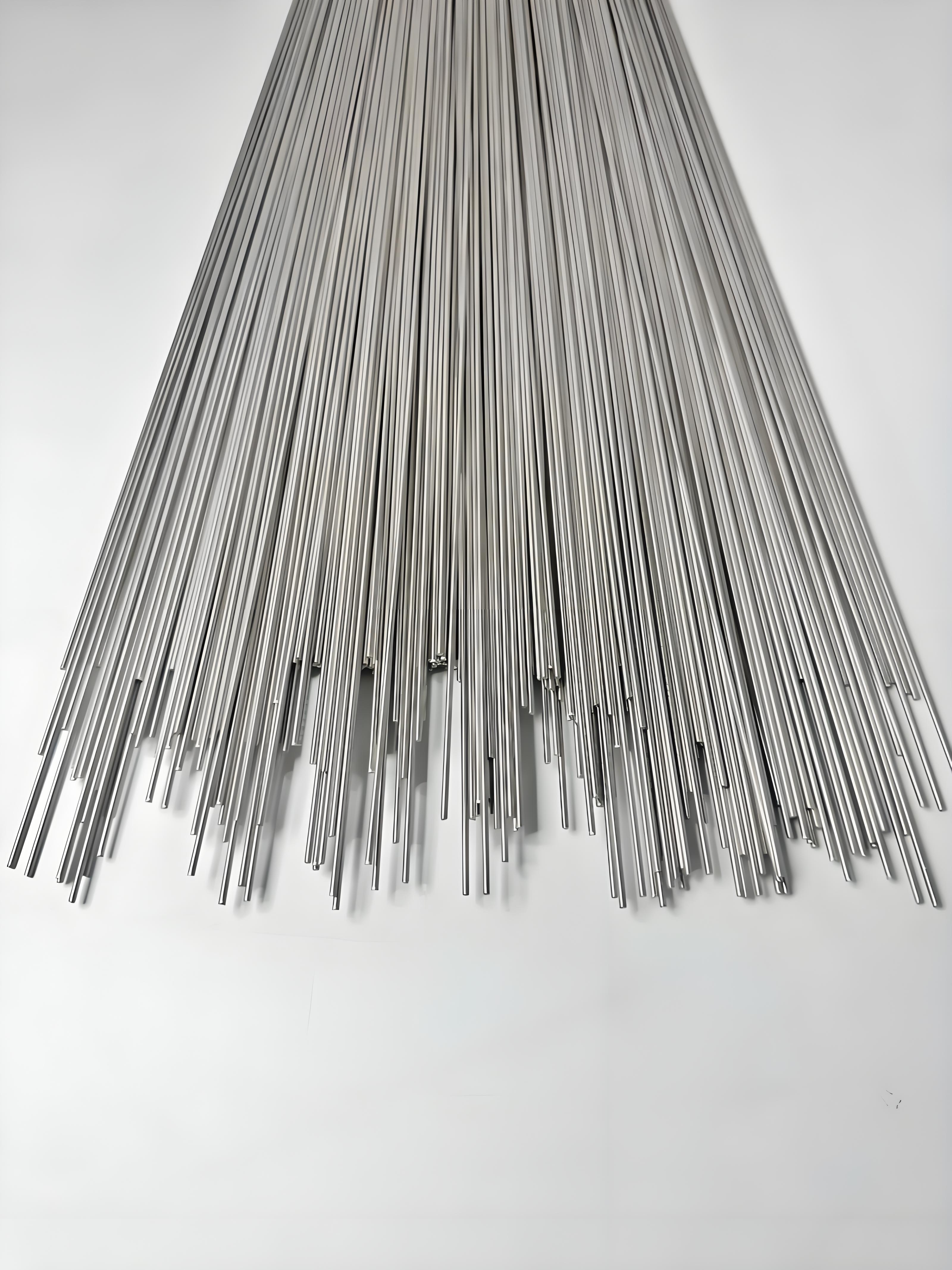
Overview: Why Titanium Welding Is Less Forgiving Than Standard Metal Welding
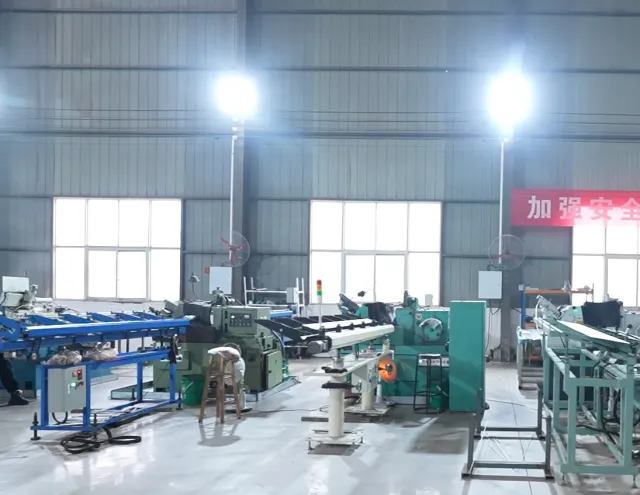
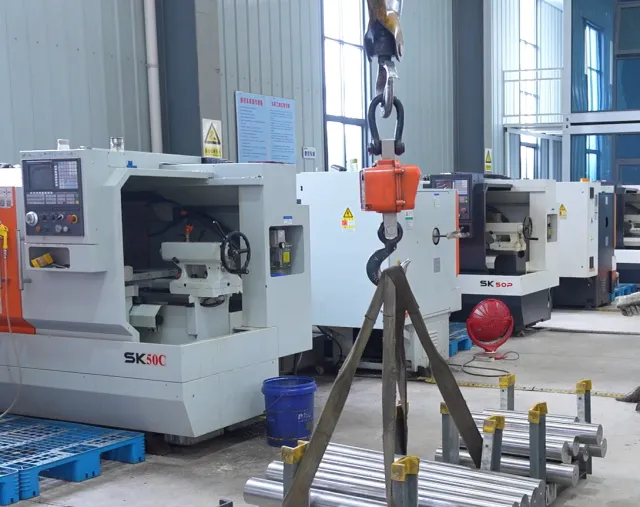
Titanium reacts rapidly with oxygen, nitrogen and hydrogen under high‑temperature welding conditions. Contamination will generate brittle intermetallic phases inside weld seams, which cannot be fully repaired by post‑processing. Unlike stainless‑steel welding, titanium welding demands strict process discipline covering material matching, surface preparation, inert‑gas shielding, thermal control and joint design. High‑end industrial projects applying Industrial Grade Titanium Welding Wire for Chemical & Marine cannot tolerate hidden weld defects, since weak joints will quickly fail under acid‑alkali erosion or long‑term seawater salt‑spray exposure. QYX METAL owns standardized production workshops furnished with vacuum remelting furnaces, precision drawing equipment and complete metallurgical‑inspection laboratory facilities. Our in‑house R&D team consists of experienced non‑ferrous‑metallurgy engineers, continuously optimizing material formula and providing technical consultation for global industrial buyers.
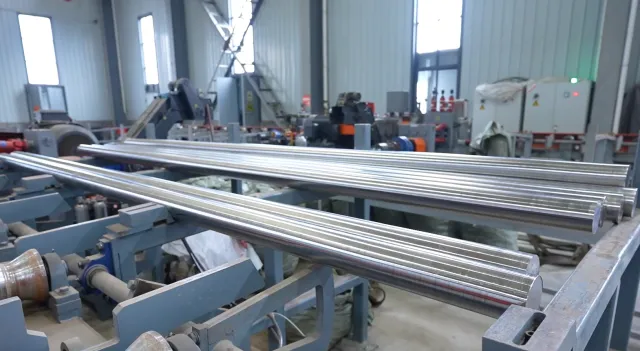
Critical Mistakes & Practical Solutions When Using Titanium Welding Wire
1. Incorrect Wire Selection for Specific Titanium Grades
Many fabricators use mismatched filler wire against base‑metal grade, which causes inconsistent mechanical performance and poor corrosion resistance on weld joints. Using TA2 pure‑titanium welding wire for TC4 alloy substrates or mixing civilian‑grade wire for chemical‑marine heavy‑duty projects is a widespread error.
- What happens: Weld joint strength drops; early‑stage crevice‑corrosion emerges under corrosive media.
- Correct solution: Match TA1 / TA2 filler for pure‑titanium workpieces; adopt TC4 titanium alloy welding wire for TC4 alloy components. For projects cooperating with Titanium Fittings and Titanium Forgings, keep filler grade consistent with base material. Consult QYX technical engineers for grade recommendation before production.
2. Ignoring Proper Cleaning and Preparation Techniques
Grease, cutting‑oil residue, oxide scale, dust and moisture on workpiece or welding‑wire surface are major sources of pore defects and brittleness. Many teams skip strict pre‑weld cleaning to save working hours.
- What happens: Porosity inside weld bead; brittle grain structure; hidden crack risks.
- Correct solution: Mechanically remove oxide scale; perform solvent degreasing; keep gloves lint‑free without oil contamination. Avoid touching cleaned titanium surfaces by bare hands. Store Titanium Welding Wire spools inside dry, dust‑proof warehouse environment.
3. Using Inappropriate Welding Equipment Settings
Copying stainless‑steel welding parameters directly for titanium welding will bring unstable arc behaviour, excessive heat‑input and poor molten‑pool control.
- What happens: Over‑penetration, grain coarsening, joint ductility reduction.
- Correct solution: Set dedicated TIG/MIG parameters for titanium; optimize arc length, travel speed and current value according to workpiece thickness. Maintain welding‑equipment in good status before batch production.
4. Overlooking the Importance of Shielding Gas Coverage
Inadequate argon shielding, missing trailing‑shield fixture or impure shielding gas belongs to the most‑costly errors for titanium welding. Hot titanium weld bead still reacts with air even after arc extinguishes.
- What happens: Blue‑purple discoloration on weld surface; severe brittleness; complete joint failure for marine‑chemical equipment.
- Correct solution: Adopt high‑purity argon; implement primary‑gun shielding plus trailing‑shield protection until weld bead fully cools down. Regularly inspect gas pipeline for leakage.
5. Neglecting Preheating and Post‑Weld Heat Treatment
Blind preheating for thin‑wall titanium parts or omitting stress‑relief treatment for heavy‑section welded assemblies both create risks.
- What happens: Thermal stress crack, material over‑aging performance degradation.
- Correct solution: Normally preheating is unnecessary for thin‑wall titanium; carry‑out standardized stress‑relief heat treatment for thick‑weld components following metallurgical specification. Discuss thermal‑treatment workflow with QYX technical support team.
6. Failing to Control Weld Pool Temperature Accurately
Slow travel speed leads to over‑heated molten pool, destroying titanium weld‑joint low‑temperature toughness.
- What happens: Coarse grain microstructure, reduced impact‑resistance capacity.
- Correct solution: Control heat‑input tightly; maintain steady travel speed; avoid long‑time arc dwelling on local position.
7. Inadequate Joint Design and Fit‑Up Considerations
Too‑large assembly gap, misalignment or unreasonable groove design increase welding difficulty and generate incomplete‑penetration defects.
- What happens: Internal lack‑of‑fusion defects, concentrated stress points.
- Correct solution: Optimize joint groove structure; control fit‑up tolerance; reduce forced‑alignment stress before welding operation.
8. Skipping Regular Maintenance of Welding Equipment
Worn torch components, contaminated gas hose and unstable power output bring continuous batch‑defect risks.
- What happens: Unstable arc, fluctuating shielding‑gas effect, repeatable welding quality fluctuation.
- Correct solution: Establish routine inspection checklist for welding torch, nozzle, electrode and gas supply system before batch‑welding tasks.
9. Disregarding Safety Protocols and Protective Gear Requirements
Titanium welding produces intensive ultraviolet radiation and metal fume; ignoring personal‑protection rules threatens operator safety.
- What happens: Operator eye injury, respiratory‑system health hazard.
- Correct solution: Wear qualified welding helmet, anti‑UV protective clothing and fume‑extraction ventilation facility inside welding workshop.
10. Not Conducting Thorough Inspections After Welding Completion
Relying only on visual surface checking and skipping non‑destructive testing hides internal pore and crack defects for pressure‑vessel and offshore‑equipment projects.
- What happens: Hidden defects pass acceptance inspection; equipment fails during service under chemical‑marine corrosive environment.
- Correct solution: Combine visual inspection plus dye‑penetrant or X‑ray NDT for critical‑load weld joints. Keep inspection records traceable together with MTR documents of Industrial Grade Titanium Welding Wire for Chemical & Marine.
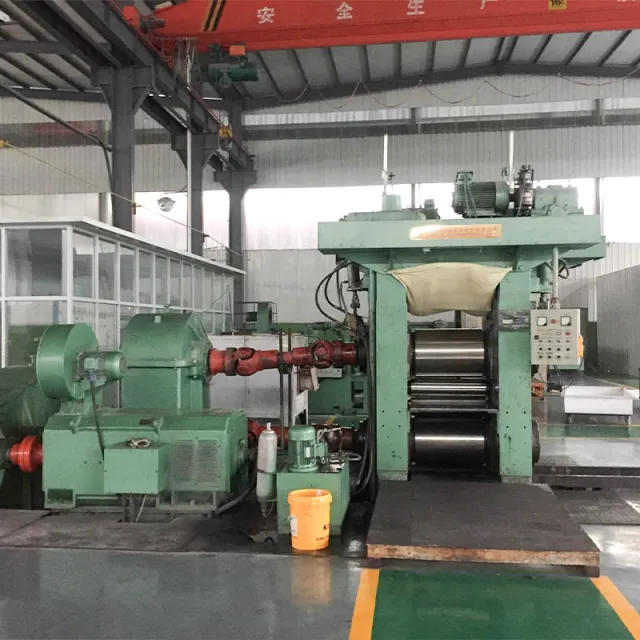
5 Core Concerns for Western B2B Procurement Managers Sourcing Titanium Welding Wire
Procurement managers from European and American chemical plants, marine EPC contractors, OEM and ODM manufacturers focus on multi‑dimensional risks when sourcing Titanium Welding Wire. First of all, strict compliance with AWS A5.16 and ASTM B863 standards, complete MTR test certificates and third‑party audit reports are essential to mitigate batch‑quality deviation risks for anti‑corrosion industrial systems. Secondly, raw‑material purity and manufacturer hardware capability are highly valued; impure welding consumables will induce invisible weld‑joint defects for long‑term acid‑alkali and seawater‑immersion service, so buyers will audit smelting, precision‑drawing and laboratory‑testing capacity of factories. Thirdly, reliable mass‑delivery stability matters greatly for large‑scale project orders; delayed shipment will block downstream equipment‑manufacturing schedules. Fourthly, custom‑manufacturing flexibility including special diameters, spool weights and export‑grade packaging for special engineering requirements. Fifth, full‑cycle technical support covering sample evaluation, metallurgical consultation and on‑site‑process guidance. As an ISO9001, TUV and BV‑certified manufacturer located in Baoji China Titanium Valley, QYX METAL CO., LTD meets above‑mentioned requirements for global industrial purchasers.
New‑Technology R&D & Application Updates for Titanium Welding Consumables
Booming deep‑sea offshore‑energy investment and low‑carbon green‑chemical‑industry expansion drive continuous R&D iteration for Titanium Welding Wire. New micro‑alloy‑optimized titanium welding‑wire formulas effectively reduce hot‑cracking tendency for heavy‑gauge high‑restraint welded joints. Advanced vacuum‑arc‑remelting technology lowers trace‑impurity content and further improves long‑term anti‑corrosion performance of weld seams working under harsh chemical‑marine media. Intelligent online dimensional‑inspection apparatus installed inside production workshops guarantees spool‑to‑spool dimensional consistency and reduces manual‑measurement errors. Application boundaries keep expanding toward deep‑water energy infrastructure and zero‑emission chemical‑production facilities. Meanwhile, matching‑technology research between titanium welding wire and modern hybrid welding‑methods gains momentum, helping fabricators improve production efficiency without sacrificing joint metallurgical integrity. QYX METAL’s R&D team closely tracks these technical frontiers, optimizing Industrial Grade Titanium Welding Wire for Chemical & Marine, alongside developing matched Aircraft Titanium Material, Medical Titanium Alloy and supporting Titanium Forgings solutions for complete‑set industrial‑equipment projects worldwide.
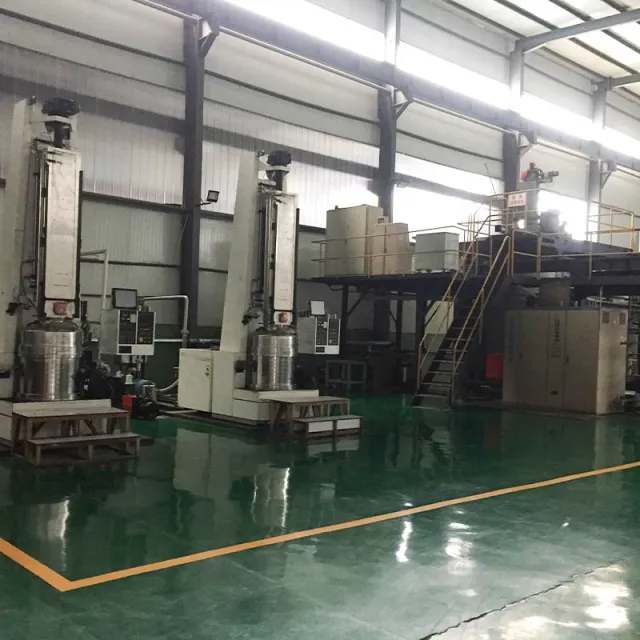
Latest Industry Trend Interpretation
Three major trends are reshaping the global titanium‑welding‑wire marketplace. First, rising investment in offshore‑energy and green‑chemical sectors creates growing market demand; more engineering teams replace traditional stainless‑steel schemes with titanium‑based solutions for lower whole‑life‑cycle maintenance expenditure. Second, B2B purchasers gradually shift from trader sourcing toward direct‑manufacturer cooperation for better quality traceability and competitive unit price. Third, mixed‑order demands combining small‑batch custom specifications and large‑bulk standard‑product orders keep expanding, driven by diversified OEM and EPC‑project requirements. Besides, sustainability evaluation gains higher weight within procurement workflows; recyclable characteristics of Titanium Materials become one assessment factor for many large‑enterprise purchasing policies. Qualified suppliers must upgrade quality‑control and production‑management systems to satisfy combined demands for stable quality, punctual delivery, custom‑manufacturing capability and green‑manufacturing standards.
Product Usage & Maintenance Knowledge
- Warehouse storage: Keep spooled Titanium Welding Wire inside dry, low‑humidity storage space. Reseal original packaging immediately after partial usage. Keep away from moisture, dust and corrosive gas environment to avoid surface oxidation discoloration.
- Handling reminder: Prevent scratching wire surface during spool installation; surface scratches will bring impurities into molten‑pool and trigger internal weld‑defects.
- Operation note: Never perform titanium welding without adequate high‑purity inert‑gas shielding; high‑temperature titanium will chemically combine with oxygen and nitrogen to generate brittle weld metal.
- Residual‑material management: Discard welding‑wire segments with obvious surface oxidation. Never mix different‑grade titanium welding wire within one welding assignment.
- Document retention: Preserve MTR material‑test reports for each shipment batch for quality traceability over equipment whole‑maintenance cycles.
Industry‑Quality Standards & Safety Specifications Popularization
When sourcing Industrial Grade Titanium Welding Wire for Chemical & Marine, international core standards that B2B buyers need to understand:
- AWS A5.16: American Welding Society specification for titanium and titanium‑alloy welding filler metals, defines chemical‑composition limits, mechanical‑property thresholds and corresponding testing procedures.
- ASTM B863: Standard specification for titanium and titanium‑alloy wire, regulating dimensional tolerance, surface‑quality requirements and raw‑material metallurgical criteria.
- ISO 9001: Quality‑management‑system certification auditing manufacturer’s full‑process quality‑control framework. QYX METAL holds ISO9001, TUV and BV third‑party manufacturing certificates.
Each QYX titanium welding‑wire production batch strictly complies with above‑mentioned standards. Every export shipment is accompanied by complete MTR certification supporting client incoming‑quality‑inspection acceptance.
FAQ — Frequently Asked Questions for Titanium Welding Wire Application & Procurement
Q1: What is the most‑common cause of brittle weld joints with titanium welding wire?
A: Insufficient inert‑gas shielding, contaminated base‑material surface or mismatched filler‑wire grade are top causes. Strict cleaning and full‑range argon protection including trailing‑shield are essential. Contact QYX technical team for grade‑matching guidance for your project.
Q2: Can I repair defective titanium welds by simple overlay welding?
A: Partial repair is feasible only after full removal of contaminated brittle weld metal. If heavy contamination already exists, local overlay without eliminating brittle layer will leave hidden failure risks for chemical‑marine equipment. Non‑destructive testing is required after repair work completes.
Q3: How should I store unused titanium welding‑wire spools for long‑term stock?
A: Seal original anti‑moisture packaging completely; store within 10‑30℃ dry warehouse environment, avoid humidity condensation. Check surface oxidation condition before re‑using stocked welding‑wire spools.
Q4: Can titanium welding wire be used for welding stainless‑steel substrates?
A: Not recommended. Fusion‑welding titanium with steel will produce brittle inter‑metallic compounds leading to poor joint mechanical‑performance. Dissimilar‑metal connection should adopt brazing or mechanical‑joint solutions; consult QYX metallurgy engineers for targeted technical advice.
Q5: What supporting titanium‑alloy products can QYX supply together with titanium welding‑wire orders?
A: QYX METAL provides comprehensive Titanium Materials portfolio including Titanium Forgings, Titanium Fittings, Aircraft Titanium Material, Aircraft Titanium Fasteners, Titanium Auto Part and Medical Titanium Alloy. One‑stop procurement helps global clients simplify supplier‑management workload.
Reference Sources
- Wikipedia Contributors. “Titanium welding and filler‑metal pitfalls”, Wikipedia, 2025‑03‑12, Open‑access metallurgical technical encyclopedia resource.
- M. Carter. “Typical welding mistakes for titanium offshore assemblies”, Industrial‑Welding Discussion Community, Reddit Engineering Forum, 2025‑05‑19.
- AWS Standard Working Group. “Field troubleshooting guide for AWS A5.16 titanium welding consumables”, Quora Industrial‑Material Knowledge Sharing, 2025‑06‑22.
- Non‑Ferrous‑Metal Tech Forum. “Avoidable defects analysis for titanium alloy welding‑wire on chemical‑marine projects”, Metallurgy Technical Discussion Board, 2025‑07‑14.
Conclusion: Avoid Mistakes to Maximize Value of Titanium Welding Wire
High‑performance Industrial Grade Titanium Welding Wire for Chemical & Marine cannot guarantee perfect welding quality alone; avoiding operational mistakes in grade‑selection, surface preparation, shielding‑gas protection, thermal‑control, joint‑design and post‑weld inspection is equally important. For global chemical‑marine, aerospace and manufacturing enterprises, combining qualified titanium welding consumables with standardized welding workflows minimizes rework expense and extends equipment service‑life. Situated in Baoji “China Titanium Valley”, QYX METAL CO., LTD manufactures premium‑quality Titanium Welding Wire as well as full‑series Titanium Materials. We deliver reliable OEM / ODM solutions, complete test documentation and professional metallurgical‑technical support for worldwide manufacturers, distributors and project contractors.
Contact QYX METAL CO., LTD
Address: No.11 High‑Tech Road, High‑Tech Zone, Baoji, Shaanxi, China (China Titanium Valley). Request free samples, technical datasheets and bulk quotation for titanium welding wire and related titanium‑alloy products.
- WhatsApp: +86 18791795597 (Negan)
- Email: Negan@qyx‑metal.com
- Social Media: Facebook, YouTube, Instagram, LinkedIn official accounts for QYX latest product updates
Blog Article Outline
- Introduction: Common Mistakes to Avoid When Using Titanium Welding Wire — project background and QYX enterprise overview
- Overview: Why Titanium Welding Is Less Forgiving Than Standard Metal Welding — material metallurgical characteristics
- Critical Mistakes & Practical Solutions When Using Titanium Welding Wire — ten typical errors with corresponding counter‑measures
- 5 Core Concerns for Western B2B Procurement Managers Sourcing Titanium Welding Wire — five major purchasing‑evaluation dimensions
- New‑Technology R&D & Application Updates for Titanium Welding Consumables — latest R&D progress and application‑expansion trends
- Latest Industry Trend Interpretation — three major global‑market‑development tendencies
- Product Usage & Maintenance Knowledge — storage, handling and daily‑maintenance operational guidelines
- Industry‑Quality Standards & Safety Specifications Popularization — interpretation of AWS A5.16, ASTM B863, ISO9001 standards
- FAQ section — answers five high‑frequency pre‑sales and technical‑support questions
- Reference sources list — academic‑format technical‑reference materials
- Conclusion — value summary and company business‑contact information
Blog Article Summary
This B2B SEO‑optimized blog targets European‑American procurement managers, distributors, OEM and ODM manufacturers with title “Common Mistakes to Avoid When Using Titanium Welding Wire”, core keyword Titanium Welding Wire. It systematically sorts out ten frequent practical mistakes during titanium‑welding‑wire application, explains defect‑generation mechanisms and delivers actionable corrective solutions. The content also covers B2B buyer procurement‑focus points, new‑technology R&D updates, global‑industry trend analysis, product‑maintenance guidance and international‑standard popularization. Multiple QYX core‑product keywords and internal hyperlinks are embedded; factory hardware strength, R&D‑team capability and enterprise certification information are fully presented. The FAQ module resolves common technical and pre‑sales doubts for industrial purchasers, attaching academic‑style reference list and complete business‑contact information to drive inquiry conversion.
High‑Click‑Rate Alternative Title (≈60 characters)
Common Mistakes to Avoid With Industrial‑Grade Titanium Welding Wire for Chemical & Marine Projects