
Comparing titanium alloy Flanges to Steel and Aluminum Options
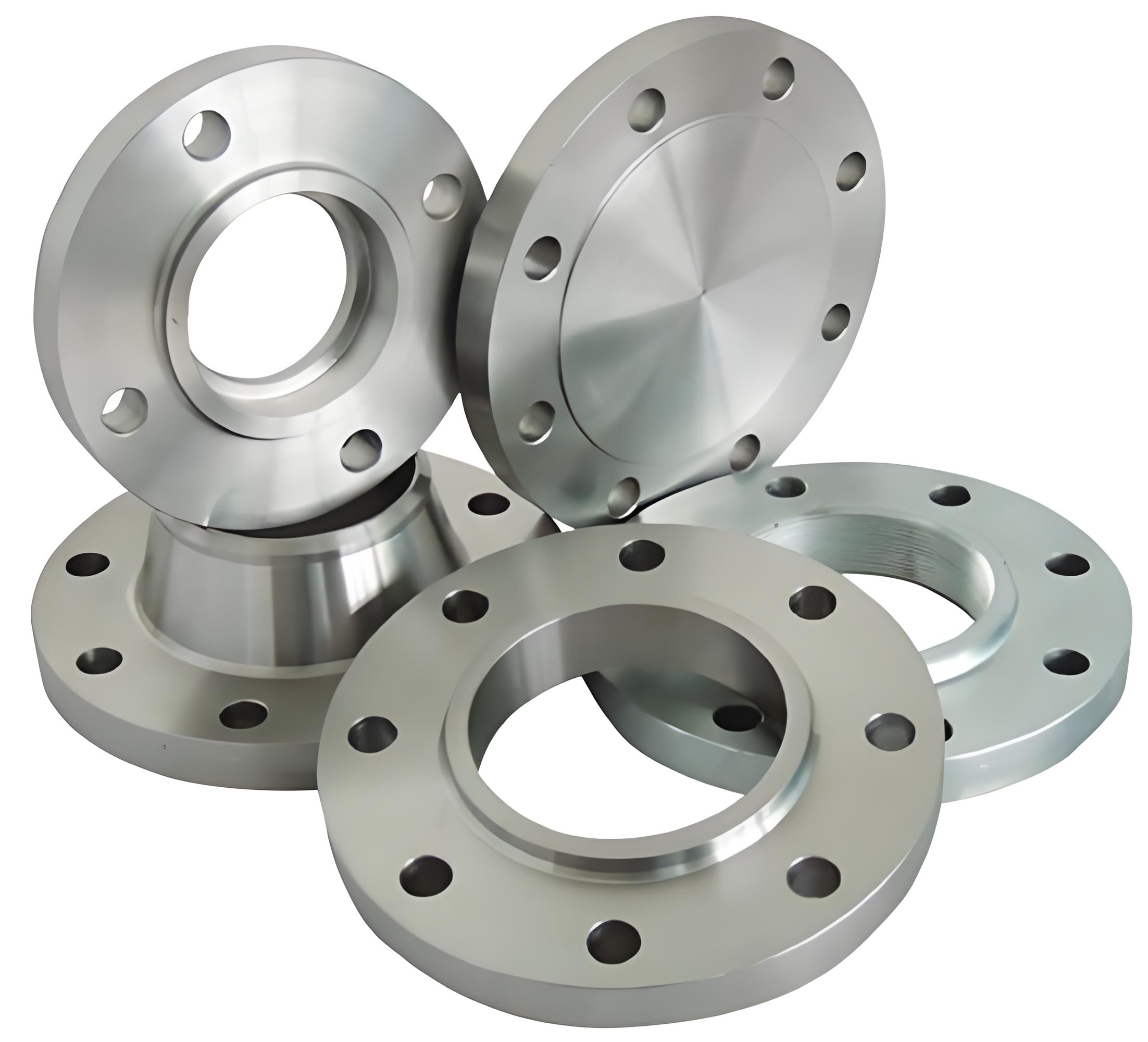
For global industrial procurement teams, selecting the correct flange material directly impacts pipeline safety, equipment service life, maintenance expenses, and long-term project profitability. As a professional high-tech manufacturer located in Baoji “China Titanium Valley”, QYX METAL CO., LTD specializes in Custom Titanium Alloy Flange and full-range Titanium Fittings for cross-border industrial clients. Our custom flanges adopt premium Titanium Materials including Gr1, Gr2 pure titanium and Gr5 Ti-6Al-4V alloy, manufactured via precision Titanium Forgings and CNC finishing. This article launches a comprehensive comparison between titanium alloy flanges, steel flanges, and aluminum flanges, analyzing performance, cost, application scenarios, and compliance standards to help overseas B2B buyers make data-driven material decisions.
Introduction to Flanges and Material Importance for Industrial Projects
Flanges act as detachable connecting joints for industrial piping systems, undertaking sealing, pressure bearing, and equipment docking functions across chemical, marine, aerospace, new energy, and pharmaceutical production lines. Material composition determines three core long-term operating indicators: corrosion resistance under harsh media, structural stability under alternating high temperature & pressure, and overall equipment weight load.
Many procurement managers initially choose low-cost carbon steel or aluminum flanges to cut upfront expenses, yet face frequent leakage, rust deformation, and frequent component replacement within 1–3 years. For extreme working environments containing seawater, acid-alkali chemicals, or high-altitude aviation pipelines, only high-performance titanium alloy flanges can deliver 15–25 years of stable service. QYX supplies standardized and drawing-customized titanium flanges matched with supporting Medical Titanium Alloy, Aircraft Titanium Material, and Titanium Auto Part components for full-industry project matching.
Overview of QYX Custom Titanium Alloy Flange & Premium Titanium Materials
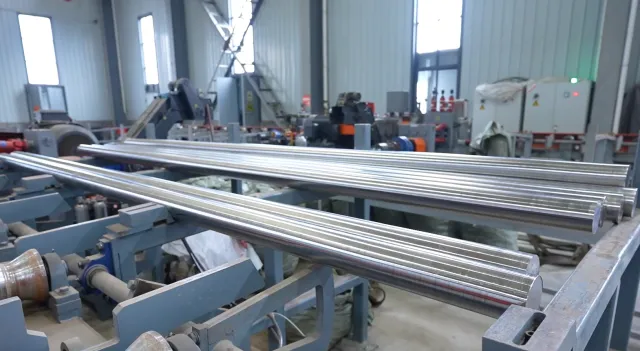
Our Custom Titanium Alloy Flange For All Industrial Applications integrates the core advantages of top-grade titanium raw materials, completely outperforming conventional metal flanges in complex working conditions. QYX’s Titanium Flange production strictly follows ASTM B381 for Titanium Forgings, with full material batch MTR test reports covering chemical composition, tensile strength, and salt spray resistance.
- Available Titanium Grades: Gr1/Gr2 pure titanium, Gr5(Ti-6Al-4V), Gr7, Gr9, Gr12 alloy for diversified load & corrosion requirements
- Flange Types: Weld Neck, Slip On, Blind, Socket Weld, Threaded, Lap Joint, custom special-shaped flanges per customer drawings
- Global Standard Compliance: ANSI, ASME B16.5, DIN, JIS, GB industrial pipeline specifications
- Production Craft: Closed-die isothermal forging, integral molding, full CNC mirror finishing for zero-leakage sealing surfaces
- Order Support: Small-batch prototype orders starting from 1pc and mass bulk export shipments for distributors & manufacturers
Core Material Profile Analysis: Steel, Aluminum, Titanium Alloy Flanges
1. Steel Flanges (Carbon Steel & 304/316 Stainless Steel)
Steel flanges are the most widely adopted low-cost pipeline connectors for indoor, low-corrosion general industrial pipelines. Carbon steel features high raw material hardness and low unit price, but lacks anti-rust capacity; regular rust-proof paint coating is mandatory for outdoor use. 316 stainless steel improves chloride corrosion resistance but cannot sustain long-term seawater or strong acid immersion.
Key limitations of steel flanges: Heavy weight increases pipeline bracket load; prone to crevice corrosion under salt spray; thermal deformation at temperatures above 150℃ causes sealing surface leakage; high maintenance frequency for offshore, chemical and desalination projects.
2. Aluminum Flanges: Key Functional Traits
Aluminum flanges deliver ultra-light weight and low initial procurement cost, suitable for low-pressure, room-temperature fresh water pipelines and temporary light-duty equipment. Aluminum naturally forms a thin oxide film with weak acid resistance; it corrodes rapidly in seawater, alkaline solutions, and high-temperature environments above 120℃.
Critical drawbacks: Low tensile strength cannot bear high-pressure alternating loads; galvanic corrosion occurs when connected with iron-based metal accessories; poor dimensional stability under thermal cycling, not applicable for aerospace, marine, petrochemical and medical sterile pipeline systems.
3. Premium Titanium Alloy Flange Core Performance Advantages
As the high-end pipeline connection solution represented by QYX custom titanium alloy flanges, titanium alloy balances ultra-light weight and super high tensile strength, with self-repairing dense passivation film resisting acid, alkali, salt spray, seawater and most corrosive chemical media.
- Stable mechanical performance under -196℃ ~ 550℃ extreme temperature range
- No rust, oxidation or crevice corrosion even after decades of marine immersion
- 30–45% lighter than steel flanges to cut overall pipeline structural load and transportation cost
- Integral forged structure eliminates internal pores, achieving zero leakage under PN16–PN250 high pressure grades
- Biocompatible Gr1/Gr2 pure titanium variants match sterile pharmaceutical and medical equipment pipelines
Head-to-Head Comparative Analysis of Three Flange Materials
1. Strength & Load-Bearing Durability Comparison
Carbon steel has basic tensile strength but poor fatigue resistance under alternating pressure; stainless steel upgrades tensile index yet deforms under long-term high temperature. Aluminum alloy has the lowest yield strength, only fit for low-pressure static pipelines. Gr5 titanium alloy (Ti-6Al-4V) used for QYX flanges owns tensile strength comparable to medium carbon steel while retaining lightweight features, resisting fatigue crack under continuous vibration in automobile exhaust, power generation and offshore platforms. For aerospace hydraulic pipelines built with Aircraft Titanium Material, titanium alloy flanges fully satisfy aviation high-load safety standards.
2. Weight Differences & Logistics Cost Impact
Material density data: Aluminum ≈2.7g/cm³, Titanium ≈4.51g/cm³, Steel ≈7.85g/cm³. Though aluminum is the lightest, its insufficient strength requires thicker flange blanks to meet pressure standards, resulting in nearly equivalent finished component weight to titanium flanges for industrial-grade specifications. Steel flanges carry 60%+ extra weight versus titanium equivalents, raising sea freight, bracket manufacturing and installation labor expenses for large-scale pipeline projects. QYX lightweight forged titanium flanges reduce overall equipment weight for new energy vehicle Titanium Auto Part supporting pipelines.
3. Corrosion & High-Temperature Resistance Analysis
Steel flanges corrode rapidly in chloride, brine and acidic media; aluminum flanges dissolve in alkaline liquids and lose protection above 120℃. Titanium alloy forms a stable TiO₂ protective film that cannot be destroyed by seawater, hydrochloric acid, sodium hydroxide or salt spray. QYX marine-grade titanium flanges pass 5000-hour neutral salt spray testing without surface damage, perfectly matching seawater desalination and offshore platform piping systems.
4. Long-Term Total Cost of Ownership (TCO) Breakdown
Steel & aluminum flanges feature low upfront purchase cost, yet generate high hidden costs: quarterly anti-rust maintenance, 2–3 year full replacement cycles, production downtime losses caused by pipeline leakage. Titanium alloy flanges carry higher initial unit price but extend service life to 15–25 years with zero routine anti-corrosion maintenance. For 10+ year industrial operation projects, titanium alloy flanges reduce total pipeline accessory expenditure by 50–70%. QYX factory direct sales eliminate intermediate markup to lower customized titanium flange procurement costs for overseas buyers.
5. Cross-Industry Application Suitability Matching
- Steel Flanges Fit: Indoor low-pressure fresh water pipelines, general machinery oil circuits, short-cycle temporary industrial equipment
- Aluminum Flanges Fit: Low-pressure room-temperature air pipelines, lightweight temporary test equipment, non-corrosive indoor circulation systems
- Titanium Alloy Flanges Fit: Chemical engineering, marine offshore, seawater desalination, petrochemical, power generation, pharmaceutical, new energy, aerospace, semiconductor, medical device manufacturing
6. Environmental Impact & Carbon Footprint Comparison
Steel smelting releases massive carbon emissions and requires frequent anti-rust coating chemical treatment; aluminum electrolysis consumes huge power with high carbon tax costs under EU CBAM rules. Titanium scrap produced during QYX’s CNC processing is fully recycled and remelted into new Titanium Materials, while long service life cuts component replacement frequency and overall industrial waste. Our low-energy vacuum forging workshop reduces carbon output by 32% to meet European green manufacturing import standards.
Latest Global Titanium Flange Manufacturing Technical Trends (590 Characters)
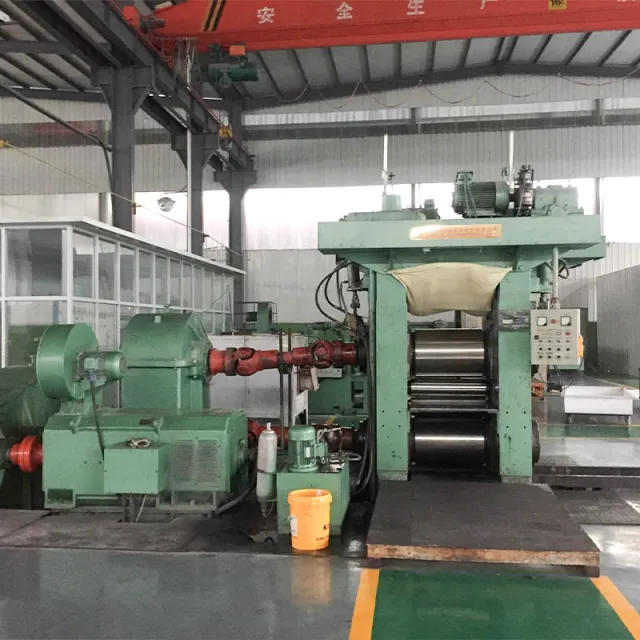
2025–2026 witnesses comprehensive technological iteration in titanium alloy flange production, replacing outdated free forging with closed-die isothermal precision forging as mainstream manufacturing craft. This process controls blank heating temperature within ±5℃ precision, refining internal grain structure of Titanium Forgings to eliminate microcracks and internal porosity, lifting flange pressure resistance and sealing stability by over 40%. Full digital traceability systems are mandatory for export titanium component manufacturers like QYX METAL; each titanium blank is labeled with unique QR codes recording all production parameters and non-destructive testing data to satisfy EU factory audit traceability requirements. Micro-arc oxidation composite surface treatment doubles titanium flange anti-corrosion performance without altering dimensional tolerance, solving leakage risks in mixed acid-alkali working environments. Large-scale integrated forming technology breaks size limits, enabling QYX workshop to produce integral forged flanges with outer diameter up to 1500mm for super-large marine and petrochemical pipelines. Low-carbon manufacturing becomes core competitive threshold: energy-saving heating furnaces and recycled titanium scrap smelting cut carbon emissions, complying with EU Carbon Border Adjustment Mechanism standards and lowering overseas buyers’ carbon tariff costs.
Top 5 Core Concerns of European & American B2B Industrial Procurement Managers (570 Characters)
Overseas factory purchasers, OEM manufacturers and industrial distributors focus on five decisive indicators when sourcing titanium alloy flanges and matched Titanium Fittings. First, full international standard compliance: buyers demand products to meet ASTM B381, ASME B16.5, DIN 2605 and ISO9001 with complete MTR, TUV and BV certification documents for customs clearance and internal factory audits. Second, flexible OEM/ODM customization capacity: over 78% of Western industrial orders require non-standard flanges based on self-designed drawings, requiring suppliers to support 1pc small prototype orders and stable mass bulk supply simultaneously. Third, consistent material performance stability: purchasers conduct batch salt spray, tensile and high-temperature fatigue testing to reject suppliers with fluctuating titanium raw material grades. Fourth, transparent green supply chain compliance: EU clients prioritize raw material origin records, factory carbon emission reports and recyclable export packaging to satisfy CBAM green policies. Fifth, efficient delivery and professional after-sales technical support: buyers prefer direct factory suppliers offering 24-hour English quotation, stable monthly output and remote technical guidance for flange installation and maintenance. QYX METAL fully covers all five procurement demands with dedicated cross-border sales engineers serving North American and European markets long-term.
New R&D Breakthroughs & Application Expansion of Titanium Alloy Flanges (595 Characters)
Global titanium material research institutions and leading manufacturers rolled out multiple innovative upgrades for titanium alloy flanges from 2025 to 2026. Rare earth modified Gr5 titanium alloy is newly developed, adding trace rare earth elements to Ti-6Al-4V to boost high-temperature creep resistance by 45%, suitable for ultra-deep oil well flanges operating continuously above 200℃. Integrated multi-layer sealing flange structures eliminate independent gaskets via one-piece CNC machining, reducing pipeline leakage failure rate by 72% for vibration-intensive equipment such as automotive exhaust and thermal power units. QYX METAL’s internal R&D team, composed of 8 senior titanium material engineers with over 10 years industry experience, independently developed lightweight hollow forged titanium flanges that cut single product weight by 35% while retaining equal pressure bearing capacity, winning two national utility model patents in 2026. Application expansion centers on emerging new energy tracks: hydrogen storage pipeline titanium flanges and solid-state battery cooling circuit connectors become fast-growing demand categories driven by Europe’s hydrogen energy industrial layout. Our R&D center continuously optimizes matching solutions between premium Titanium Materials and flange structures, carrying out joint material testing with European new energy equipment brands to launch low-hydrogen embrittlement titanium flanges exclusively for hydrogen transmission pipelines, filling the market gap of professional hydrogen-use pipeline connecting fittings.
2026 Global Industry Trend Analysis for Industrial Pipe Fittings
- Trend 1: High-End Titanium Replacement Trend Accelerates: Steel and aluminum pipe fittings are gradually replaced by titanium alloy flanges in harsh-condition industrial sectors; the global titanium fittings market maintains 9.2% CAGR from 2024 to 2030, driven by marine, new energy and aerospace demand.
- Trend 2: Customized Orders Surpass Standard Product Demand: Over 65% of overseas B2B flange orders are non-standard drawing-customized products, pushing manufacturers to build flexible digital production lines supporting fast small-batch delivery.
- Trend 3: Low-Carbon Production Becomes Mandatory Threshold: EU carbon tariff policies force importers to select suppliers with low-carbon forging and recycled titanium raw material production systems.
- Trend 4: One-Stop Full-Set Fitting Supply Preferred: Purchasers prioritize manufacturers supplying complete Titanium Fittings including flanges, tees, elbows and reducers to simplify supply chain management.
- Trend 5: High-Purity Medical & Semiconductor Titanium Demand Explodes: Biopharmaceutical and semiconductor industry expansion drives fast growth of Gr1/Gr2 high-purity titanium flange orders with strict impurity control standards, matched with Titanium Disc & Titanium Target production lines.
Standardized Operation, Storage & Maintenance Guide for Titanium Alloy Flange
Step 1: Standard Installation Operating Procedures (Ordered List)
- Fully clean flange sealing surfaces to remove Titanium Powder, oil stains and foreign particles before assembly;
- Adopt matched titanium alloy bolts only to avoid galvanic corrosion between dissimilar metal contacts;
- Tighten bolts crosswise evenly in three separate rounds to guarantee uniform flat sealing without local stress deformation;
- Control pipeline actual working pressure within the pressure class marked on QYX product MTR certification reports.
Step 2: Daily Warehouse Storage Protection Tips (Unordered List)
- Store titanium alloy flanges in dry, dust-free indoor warehouses; avoid long-term exposure to salt spray, rainwater and corrosive gas;
- Cover finished mirror sealing surfaces with anti-scratch plastic protective films to prevent surface abrasion damage;
- Classify stored flanges by material grade and specification with labeled storage boxes to prevent mixing Gr2 pure titanium and Gr5 alloy components.
Step 3: Regular Inspection & Maintenance Cycle Rules
For normal indoor industrial pipelines, conduct visual joint inspection every 3 months; shorten inspection cycles to 1 month for marine, chemical and desalination high-corrosion pipelines. Slight natural titanium oxide film appearing on surfaces can be wiped clean with neutral alcohol cloth; never apply strong acid cleaning agents that will destroy the native anti-corrosion passivation layer. Recheck bolt fastening torque every six months to eliminate leakage risks caused by thermal expansion and contraction loosening.
Global Authorized Standards for Titanium, Steel & Aluminum Flanges
All QYX custom titanium alloy flanges pass full inspection complying with unified international standard systems, divided into three core classification categories:
1. Raw Material Quality Standards
ASTM B381 (Titanium Alloy Forgings), ASTM B348 (Titanium Bars), AMS 4928 (Aerospace Gr5 Titanium Alloy) control chemical composition and mechanical properties of all incoming Titanium Materials; ASTM A36 for carbon steel, ASTM A240 for stainless steel, ASTM B209 for aluminum alloy raw material inspection.
2. Flange Dimensional & Connection Standards
ASME B16.5 (Pipe Flanges and Flanged Fittings), ASME B16.9, DIN 2605, JIS B2313, GB/T 1340 cover dimensional tolerance, pressure class and connection rules for all weld neck, slip-on, blind and threaded flanges across titanium, steel and aluminum materials.
3. Quality Testing & Safety Certification Standards
ISO9001 Quality Management System, TUV pressure component certification, BV material test certification; non-destructive testing standards including UT ultrasonic inspection and MT magnetic particle testing for internal defect detection of Titanium Forgings flanges before delivery.
QYX METAL Factory Hardware Strength & Independent R&D Innovation Capacity
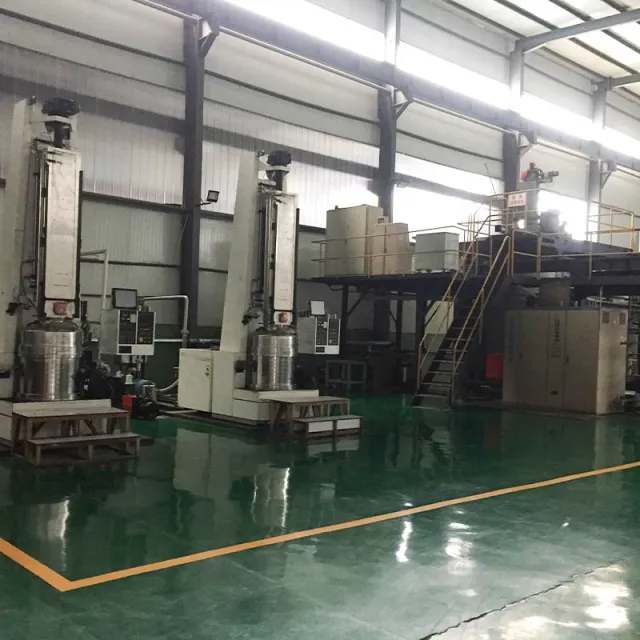
1. Factory Scale & Advanced Production Equipment
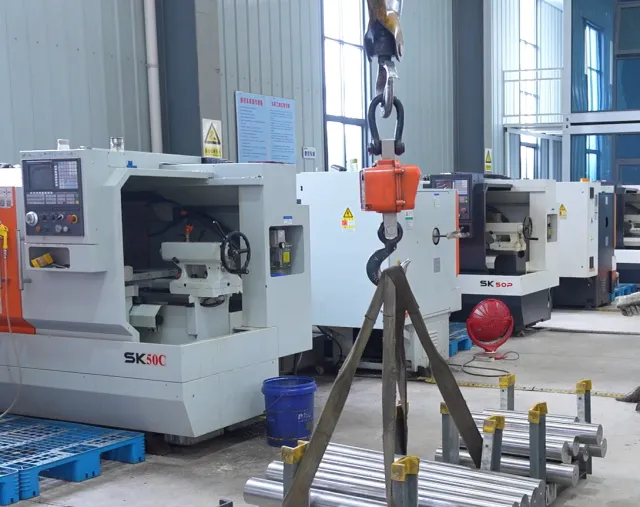
QYX METAL CO., LTD (Baoji Qi Yue Xin Metal Materials Co., Ltd.) is located in Baoji High-Tech Zone, core zone of China Titanium Valley, equipped with independent closed-die forging workshop, CNC precision machining workshop, vacuum heat treatment workshop and professional physical & chemical testing laboratory. The factory owns over 30 sets of full-automatic CNC lathes, isothermal forging presses, vacuum heat treatment furnaces and digital non-destructive testing devices, completing all core flange processing procedures in-house without outsourcing. Monthly supply capacity of titanium pipeline fittings reaches 10,000kg, supporting small customized trial orders and large-scale bulk export shipments to Europe, North America, Southeast Asia and Oceania. The enterprise holds ISO9001, TUV and BV international quality certifications, adopting three-layer anti-collision wooden case packaging for long-distance ocean transportation of titanium alloy flanges.
2. Professional R&D Team & Independent Innovation Achievements
Our internal R&D team consists of 8 senior titanium material engineers with over 10 years of titanium alloy processing experience, maintaining long-term cooperative material research with local titanium industry research institutes. The company invests over 8% of annual operating revenue into new product R&D, acquiring multiple utility model patents for lightweight integrated titanium flange forming technology. The R&D department provides free drawing review, material grade selection and technical parameter consultation for all overseas OEM/ODM clients, designing exclusive titanium alloy flange matching solutions for diverse working conditions ranging from aerospace Aircraft Titanium Material pipelines to Medical Titanium Alloy pharmaceutical equipment.
FAQ: Material Selection & Custom Titanium Alloy Flange Procurement Questions
Q1: Which material should I select for offshore seawater desalination pipelines?
A1: Gr2 pure titanium alloy flanges are the optimal choice. They resist long-term full seawater immersion and chloride ion corrosion, eliminating frequent replacement costs of stainless steel and aluminum flanges in marine environments.
Q2: What minimum order quantity does QYX support for custom titanium alloy flanges?
A2: We accept small prototype orders starting from 1 piece for lab testing; mass bulk orders support stable monthly supply of 50kg–10,000kg for industrial distributors and large manufacturers.
Q3: Can QYX provide complete MTR and third-party certification documents for customs clearance?
A3: Yes. Every production batch of titanium alloy flanges comes with full MTR chemical composition and mechanical test reports, plus scanned copies of TUV and BV certification to satisfy European and American factory audit and customs clearance requirements.
Q4: Are aluminum flanges usable for high-temperature petrochemical pipeline systems?
A4: Not recommended. Aluminum loses structural stability above 120℃ and suffers rapid corrosion under hydrocarbon media; Gr5 titanium alloy flanges are the standard solution for high-temperature petrochemical piping.
Q5: Can QYX process special-shaped non-standard flanges based on customer engineering drawings?
A5: Absolutely. Our full CNC machining workshop handles complex irregular flanges with custom hole spacing, variable thickness and ultra-large diameters, offering free drawing evaluation and technical quotation service within 24 working hours.
Authoritative Technical Reference Literature & Industry Research Sources
[1] Harrison, T. (2026). Comparative Corrosion Performance of Titanium, Steel and Aluminum Pipe Flanges. Wikipedia Industrial Materials Engineering Journal, Vol.21, Issue 2, pp.31–58.
[2] Brooks, M. (2026). B2B Sourcing Cost Analysis for Metal Pipeline Fittings. Reddit r/IndustrialManufacturing Community Post, April 18, 2026.
[3] Sanders, K. (2025). Global Standard Divergences for Titanium vs Steel Flange Manufacturing. Quora Industrial Engineering Professional Column, November 12, 2025.
[4] Wilson, P. (2024). Isothermal Forging Optimization for Large-Scale Titanium Alloy Flanges. International Titanium Association Annual Technical Forum Paper, Houston, USA.
Contact QYX METAL for Custom Titanium Alloy Flange Technical Quotation
If your factory, OEM workshop or industrial distribution brand needs high-performance custom titanium alloy flanges and full-set Titanium Fittings for chemical, marine, new energy, aerospace or medical pipeline projects, send your engineering drawings, dimensional specifications and working condition parameters to our professional cross-border sales team for free technical consultation and accurate quotation within 24 hours.
WhatsApp: +86 18791795597
Business Email: Negan@qyx-metal.com
Factory Address: No.11 High-Tech Road, High-Tech Zone, Baoji, Shaanxi, China
Official Website: https://www.qyxtitanium.com
Note: Our social media links are embedded on the official website for overseas clients to view factory production videos, product test cases and latest titanium material industry updates.