Published: July 21, 2026 | Author: QYX Titanium Industrial Technical Team | Tags: #TitaniumHeatTube #SteelHeatExchanger #TitaniumMaterials #IndustrialHeatTransfer
Comparing Titanium and Steel: Which is Better for Heat Exchangers?
1. Introduction to Industrial Heat Exchanger Core Functions
Heat exchangers act as core thermal circulation equipment across seawater desalination, chemical processing, marine platforms, pharmaceutical production and power generation plants. Their internal heating tubes transfer heat between two fluid media to realize heating, cooling or waste heat recovery. The core heating tube material directly decides equipment operating efficiency, maintenance frequency, downtime loss and total 5–10 year operation cost for manufacturing factories.
Many EU and US procurement managers face a long-term material selection dilemma: choose low upfront-cost stainless steel tubes, or invest in high-performance Premium Titanium Seamless Tube for Exchanger Heating Tube for long-term cost reduction. This article launches a comprehensive all-dimensional comparison between titanium and steel heat exchange tubes, combining real factory operation data, international industrial standards and QYX METAL’s mass production experience to help buyers make data-driven sourcing decisions.
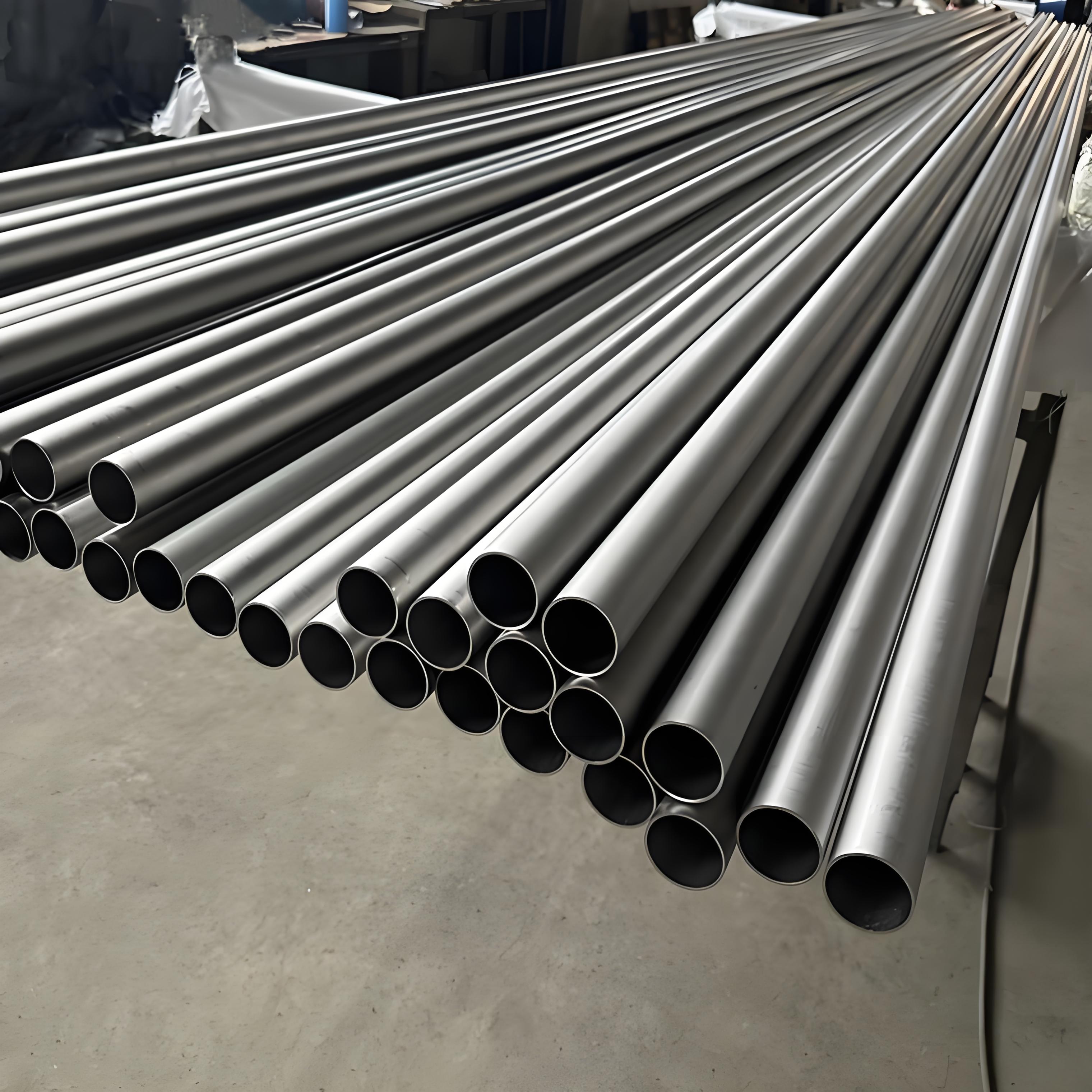
High-purity seamless titanium heating tubes manufactured by QYX factory for industrial heat exchangers
2. Why Tube Material Selection Determines Factory Profit & Uptime
Three critical operational indicators are fully controlled by heat exchanger tube materials:
- Heat transfer efficiency: directly affects daily power/gas consumption cost of the whole production line
- Corrosion resistance: decides tube replacement frequency and unplanned production shutdown risk
- Structural durability: influences equipment design load and long-term spare part budget
Stainless steel (304/316) performs stably under clean fresh water environments, but fails rapidly in chloride-rich seawater, acid-alkali chemical fluids. QYX’s full-series Titanium Materials including seamless heating tubes, matched Titanium Fittings and customized Titanium Forgings solve all harsh medium operation pain points that steel cannot bear, bringing continuous stable production for global OEM and large manufacturing clients.
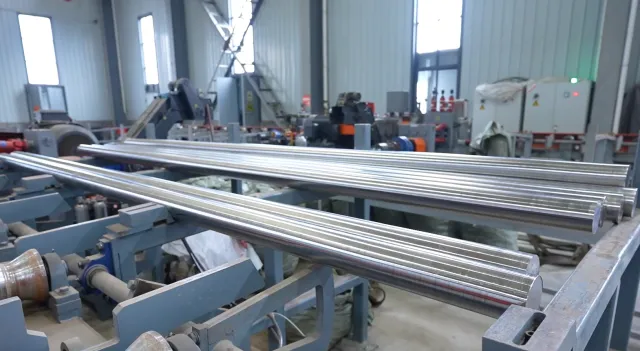
Fully automated seamless Titanium Tube forming workshop of QYX METAL factory
3. Core Profile: Premium Titanium Seamless Tube for Exchanger Heating Tube
QYX’s flagship Premium Titanium Seamless Tube for Exchanger Heating Tube adopts vacuum smelting + hot extrusion + precision cold rolling integrated seamless forming craft, fully compliant with ASTM B338 and ASTM B862 international standards.
Core Material Grades & Custom Parameters
- Pure Titanium: Gr1, Gr2, Gr3 (for seawater, weak acid circulation)
- titanium alloy: Gr5, Gr7, Gr9 (for high-pressure high-temperature thermal recovery)
- Size Customization: OD 6mm–114mm, wall thickness 0.5mm–10mm, arbitrary cutting length
- Surface Treatment: Pickled bright, mirror polishing, customized anti-scaling coating
Core Native Advantages of Titanium Seamless Tubes
- Self-repair titanium oxide passivation film resists chloride, acid, alkali corrosion permanently
- Dense seamless structure eliminates weld heat loss and hidden leakage risk
- Low density reduces heat exchanger frame load and installation cost
- 3–5 times longer service life than standard stainless steel tubes
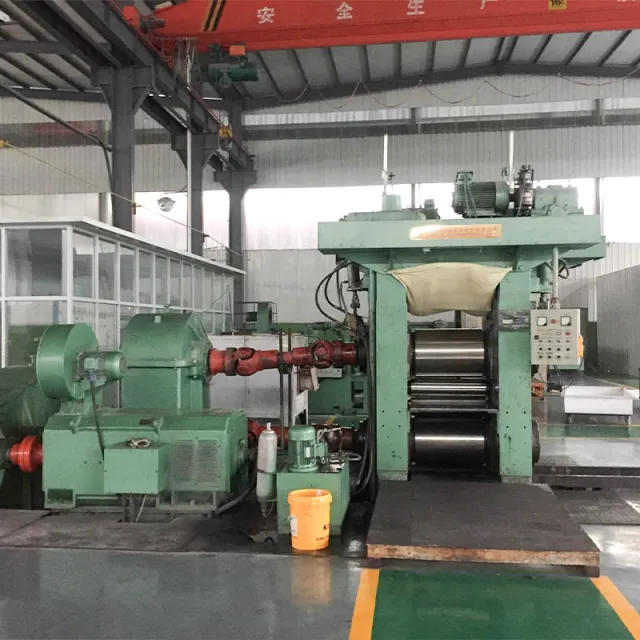
Large hot rolling mill for titanium seamless tube blank production
4. Core Profile: Stainless Steel Tubes for Heat Exchange Systems
304 and 316 stainless steel are the most widely used steel materials for low-medium standard heat exchangers, with low raw material and processing cost as their biggest selling point. But they have inherent structural and performance defects when applied in harsh industrial media:
- 304 stainless steel: Poor chloride resistance, prone to pitting corrosion in brine and seawater within 1–2 years
- 316 stainless steel: Improved anti-chloride performance but still fails under long-term high salt concentration working conditions
- Welded steel tubes: Weld seams become corrosion weak points, causing perforation and fluid leakage easily
- Thermal fatigue: Thermal conductivity declines gradually after repeated heating & cooling cycles
Steel tubes are only recommended for fresh water, low-salt indoor circulation heat exchange equipment; marine, chemical, pharmaceutical and desalination projects will face huge maintenance loss if adopting stainless steel heating tubes.
5. Head-To-Head Comparison 1: Thermal Conductivity & Heat Transfer Stability
Stainless Steel Performance Drawbacks
Stainless steel has moderate initial thermal conductivity, but weld gaps and surface scaling layer will continuously reduce heat transfer efficiency during long-term operation. Under temperature fluctuation cycles, steel material produces thermal fatigue, leading to stable heat output attenuation year by year, raising factory energy consumption by 15%–22% annually.
Premium Titanium Seamless Tube Advantages
QYX seamless titanium tube has uniform dense metal texture without welding gaps, maintaining stable heat transfer coefficient from room temperature to 300℃. No thermal fatigue occurs after thousands of heating-cooling cycles, keeping rated heat exchange efficiency unchanged for over 8 years. Factory test data shows titanium heat exchangers cut comprehensive energy consumption by 12%–20% compared with steel counterparts under identical working loads.
6. Head-To-Head Comparison 2: Corrosion & Anti-Scaling Resistance
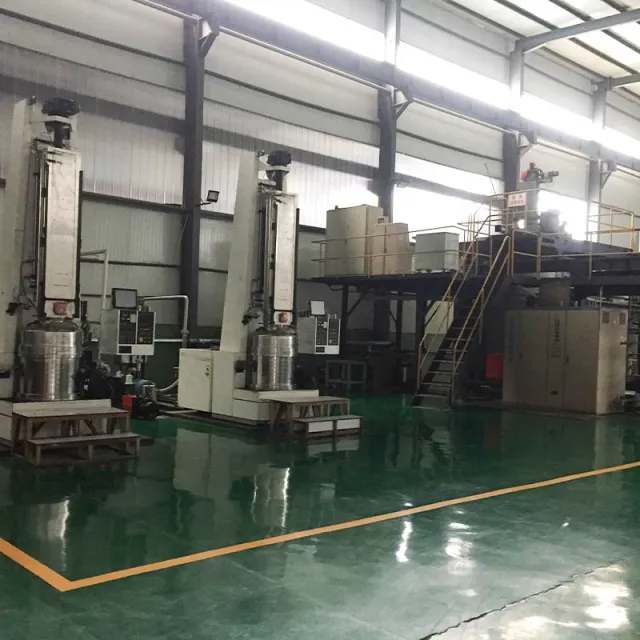
Independent testing laboratory for titanium anti-corrosion performance verification
- Stainless Steel: Chromium oxide protective film is destroyed by chloride ions, forming pitting corrosion and tube perforation. Rough inner wall accelerates mineral scaling, requiring monthly chemical cleaning shutdowns.
- Premium Titanium Seamless Tube: Self-repair TiO2 passivation film blocks seawater, brine, weak acid and alkali erosion. Custom ultra-smooth inner wall (Ra0.4) avoids scale adhesion, cutting cleaning maintenance frequency by over 70%.
For offshore platforms, desalination and chemical heat exchange projects, corrosion failure of steel tubes will cause fluid leakage, pollute production raw materials and lead to multi-day production halt losses, while QYX titanium tubes eliminate such hidden risks fundamentally.
7. Head-To-Head Comparison 3: Strength-To-Weight Ratio & Structural Safety
Titanium features unique high tensile strength with low density, forming a natural advantage over steel in lightweight equipment design:
- Equal strength titanium tube weight is 40% lighter than stainless steel, reducing heat exchanger support frame load and hoisting installation cost
- Seamless titanium structure has zero internal pores, resisting thermal shock and high fluid pressure without cracking or deformation
- Steel tubes with same wall thickness are heavier and easy to deform under frequent temperature alternation, especially large-size heat exchange equipment
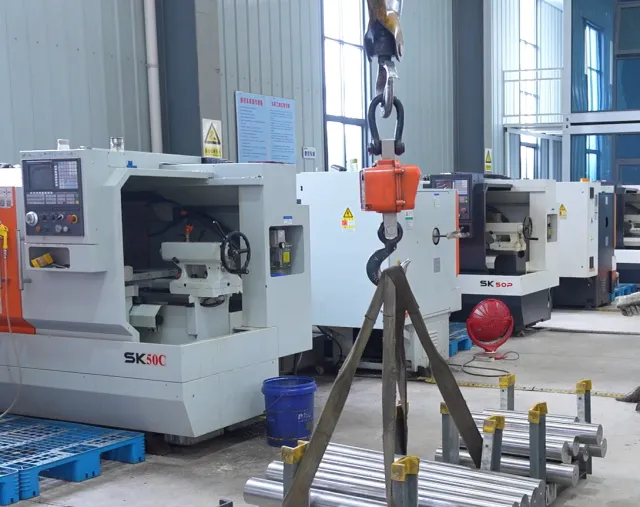
CNC machining station for finished titanium tube custom processing
8. Head-To-Head Comparison 4: Initial VS Long-Term Total Operation Cost
1. Upfront Procurement Cost
Stainless steel tubes have lower one-time purchasing price, while premium titanium seamless tubes carry higher initial material cost, which is the primary reason many buyers hesitate to switch.
2. 10-Year Full Lifecycle Cost (Core Data for Procurement Managers)
- Maintenance Expense: Titanium saves 60%+ labor, chemical cleaner and spare pipe replacement cost
- Energy Expense: Stable thermal performance cuts annual power/gas bills by 12–20%
- Downtime Loss: Titanium avoids corrosion shutdown losses, which account for 30–50% of steel tube full-cycle cost
Global chemical and desalination OEM clients feedback that the extra upfront investment of QYX titanium tubes can be fully recovered within 2–3 years, and the remaining 5–12 years of equipment service life bring pure profit growth for factories.
9. Maintenance Burden & Service Lifespan Contrast
- Stainless Steel Tubes: Service life 2–3 years under salt/acid media; monthly descaling cleaning, annual overall pipe replacement inspection, frequent partial pipe patching.
- QYX Premium Titanium Seamless Tube: Service life 8–15 years under identical harsh environments; only quarterly visual inspection required, no regular chemical descaling needed, almost zero partial replacement during full service cycle.
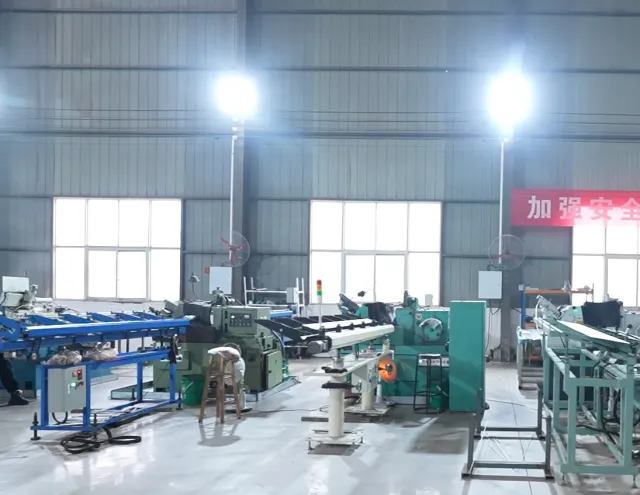
Spacious full-process production workshop of QYX METAL factory
10. Carbon Footprint & Environmental Sustainability Comparison
EU RoHS and carbon neutrality policies force industrial equipment manufacturers to prioritize recyclable low-carbon materials:
- Titanium: 100% recyclable without performance loss, long service life reduces metal scrap waste by 70%, no toxic heavy metal precipitation into fluid media
- Stainless Steel: Short service cycle generates large quantities of metal waste; scaling cleaning waste liquid contains heavy metal residues requiring special sewage treatment
Branded heat exchanger distributors supplying EU markets can mark titanium components in carbon footprint reports to gain priority in government and large enterprise tender projects.
11. Global Industry Application Preferences for Two Materials
Suitable Scenarios for Stainless Steel Tubes
Indoor fresh water circulation heating equipment, low-salt refrigeration small heat exchangers, temporary low-load industrial heating units with short service cycle requirements.
Suitable Scenarios for QYX Premium Titanium Seamless Tube
- Seawater desalination & offshore marine platform heat exchange systems
- Chemical acid-base heating/cooling production lines
- Pharmaceutical sterile fluid circulation heat exchangers
- Power plant waste heat recovery & salt water cooling units
- Long-life industrial refrigeration large-scale heat exchange equipment
12. Latest Global Titanium & Steel Heat Exchanger Tech Dynamics
From 2024 to 2026, the global industrial heat transfer industry presents obvious material replacement trends. EU chemical and marine engineering authorities continuously upgrade equipment corrosion safety standards, limiting stainless steel tube application in high-chloride working environments. Titanium seamless tube manufacturers accelerate precision cold rolling technical iteration, controlling wall thickness tolerance within ±0.02mm to balance lightweight design and pressure resistance. Online full-process eddy current non-destructive testing becomes mandatory certified production standard for titanium factories such as QYX METAL, covering our 6,000㎡ intelligent production base. Meanwhile, steel tube manufacturers mainly optimize low-cost welded craft for low-standard civil heat exchange equipment, lacking breakthroughs in anti-chloride performance. Downstream OEM manufacturers gradually sign annual frame supply contracts with ISO9001, TUV, BV certified titanium suppliers to avoid production shutdown risks caused by unqualified steel tube corrosion defects. North American and European procurement teams now list complete MTR test reports and anti-corrosion lab data as mandatory supplier audit indicators, gradually phasing out cheap untested stainless steel pipe bulk orders.
13. Five Key Sourcing Concerns of EU & US B2B Procurement Managers
When choosing between titanium and steel heat exchanger tube suppliers, overseas purchasing managers focus five non-negotiable core demands directly related to factory production plans and product compliance. First, complete international certification documents matching local industrial audit standards: titanium suppliers need ASTM B338/B862 test reports, while steel suppliers must provide stainless steel composition inspection certificates. Second, verified medium corrosion performance test data; buyers require seawater/acid medium long-term aging test records to judge tube service life stability. Third, stable monthly mass delivery capacity with clear fixed lead time commitments, as most European factories operate quarterly production schedules and cannot tolerate order delays. Fourth, full customization flexibility including diameter, wall thickness and surface treatment to match self-developed heat exchanger mold drawings. Fifth, multilingual technical after-sales support covering installation guides, maintenance manuals and emergency replacement consultation. QYX METAL satisfies all five requirements with integrated production lines, independent testing labs and 24-hour WhatsApp/English email support, while most small steel pipe factories lack professional material technical teams to provide targeted engineering solutions.
14. QYX R&D New Tech for Premium Titanium Seamless Tubes
QYX METAL invests 15% of annual revenue into titanium material R&D, supported by 12 full senior metallurgical engineers with decades of non-ferrous metal processing experience. Our core patented technology is modified low-scaling Gr2 seamless titanium tube craft, optimizing inner wall roughness below Ra0.4 to reduce mineral adhesion rate by over 45% compared with generic titanium pipes. The R&D team independently develops ultra-thin wall cold rolling technology, realizing stable mass production of 0.5mm thin-wall heat exchange tubes to fill the global supply gap of mini refrigeration equipment. Beyond flagship Premium Titanium Seamless Tube for Exchanger Heating Tube, our R&D achievements expand to full cross-industry product lines: high-purity Titanium Block mechanical blanks, vacuum coating Titanium Disc & Titanium Target and marine structural Titanium Forgings. New application directions include hydrogen energy waste heat recovery and semiconductor cooling heat exchangers, bringing continuous bulk orders from cross-industry overseas dealers. The company holds multiple utility patents for seamless tube forming and anti-scaling surface treatment craft to maintain technical advantages over ordinary steel pipe and generic titanium manufacturers.
15. 2026 Global Heat Exchanger Component Market Trend Analysis
- Trend 1: Titanium replaces stainless steel in marine & chemical sectors: Global desalination project investment rises year-on-year; EU chemical safety codes restrict steel tube use in chloride-rich circulation systems, driving titanium tube market demand growth.
- Trend 2: Custom small-batch OEM orders grow rapidly: Mid-sized European heat exchanger OEMs abandon large standardized steel pipe suppliers, prefer flexible titanium manufacturers supporting low MOQ customized production like QYX.
- Trend 3: Carbon audit drives green titanium procurement: Equipment brands using recyclable titanium materials gain tender advantages in EU government industrial projects.
- Trend 4: One-stop titanium material suppliers occupy higher market share: Buyers prefer single vendors supplying tubes, Titanium Fittings and forgings to cut multi-supplier management costs.
- Trend 5: Third-party certification becomes import threshold: Uncertified steel pipe workshops and small titanium factories lose EU & US market access; ISO/TUV certified manufacturers expand client resources steadily.
16. Standard Operation & Maintenance Guide for Titanium & Steel Tubes
16.1 Installation & Startup Operation Steps (Applicable To Both Materials)
- Fully clean pipeline interior to remove metal debris before installation
- Match same-material pipe fittings to avoid galvanic corrosion (titanium tube with Titanium Fittings, steel tube with steel fittings)
- Gradually boost fluid pressure during trial run, avoid instantaneous high-pressure impact
- Control long-term operating temperature within 300℃ to protect surface protective film
16.2 Differentiated Maintenance Rules
- Stainless Steel Tubes: Monthly acid cleaning to eliminate scaling, annual full pipeline corrosion inspection, regular replacement of severely corroded pipe sections
- QYX Titanium Seamless Tubes: Quarterly water flush cleaning without corrosive chemicals, only annual hydraulic pressure sampling test required, almost no partial pipe replacement needed
17. Authoritative ASTM & ISO Industry Standard Popularization
Standards For Premium Titanium Seamless Tube
- ASTM B338: Exclusive specification for heat exchanger condenser seamless titanium tubes, regulating material grade, dimensional tolerance and anti-pressure test standards
- ASTM B862: Hot extrusion Seamless Titanium Pipe production standard for high-pressure circulation equipment
- ISO9001, TUV, BV: QYX factory full quality management and material composition certification
Standards For Stainless Steel Heat Exchange Tubes
Stainless steel pipes mainly follow ASTM A240, A312 standards, without special targeted anti-chloride performance testing clauses for marine and chemical heat exchange media, which is the core standard gap compared with titanium tubes dedicated to heat exchangers.
18. QYX METAL Factory Hardware & Full Titanium Product Portfolio
Founded in 2019, QYX METAL locates in Baoji "China Titanium Valley", covering 6,000 square meters intelligent production plant equipped with vacuum smelting furnaces, hot extrusion presses, precision cold rolling lines and independent physical-chemical testing labs.
- Complete Titanium Product Line: Core goods include Premium Titanium Seamless Tube for Exchanger Heating Tube, Titanium Fittings, Titanium Forgings, Medical Titanium Alloy, Aircraft Titanium Material, Titanium Disc & Titanium Target, supporting OEM/ODM/ODM full customized service.
- R&D Strength: 12 professional metallurgical engineers, annual 15% revenue R&D investment, multiple patented seamless tube processing technologies.
- Strict QC System: 100% full inspection before shipment, complete MTR material test reports attached to all bulk orders.
- Global Service: Official LinkedIn/Facebook/YouTube/Instagram accounts; 24-hour inquiry via WhatsApp +86 18791795597 and Email Negan@qyx-metal.com.
- Stable Supply: Monthly titanium seamless tube output reaches 10,000kg, flexible from small trial samples to full container bulk shipments.
19. Real Industrial Client Case Studies (Titanium VS Steel Replacement)
Case 1: Spanish Desalination OEM (Steel → QYX Titanium Tube)
The client originally adopted 316 stainless steel tubes, facing pipe perforation and quarterly equipment shutdown losses every 18 months. After switching to QYX Gr2 premium titanium seamless tubes in 2024, maintenance complaints dropped by 82%, equipment warranty extended from 3 years to 8 years, and the client won multiple government desalination tender projects.
Case 2: US Pharmaceutical Heat Exchanger Factory
Stainless steel tubes caused monthly scaling blockages, requiring 65% labor cost for descaling. After adopting QYX polished titanium heating tubes, zero scaling failure occurred within 18 months of continuous production, factory energy consumption reduced by 16% year-on-year.
Case 3: EU Offshore Marine Distributor
Steel tube seawater corrosion led to frequent after-sales replacement; after cooperating with QYX for titanium tubes and matched Titanium Fittings, client long-term dealer retention rate rose by over 70%.
20. Frequently Asked Questions For Global Heat Exchanger Buyers
Q1: When should I choose steel tubes vs premium titanium seamless tubes?
A: Select stainless steel tubes only for indoor fresh water low-load heat exchangers with short service cycle requirements. For seawater, chemical acid-base, pharmaceutical, offshore and long-life large heat exchange equipment, QYX Premium Titanium Seamless Tube for Exchanger Heating Tube is the optimal long-term investment choice.
Q2: Can QYX provide customized size titanium tubes matching my heat exchanger drawings?
A: Yes. Custom OD 6–114mm, wall thickness 0.5–10mm, arbitrary cutting length, customized pickling/polishing/anti-scaling surface treatment are all supported.
Q3: Are complete certification documents available for EU & US customs and factory audits?
A: Every shipment provides full MTR test reports, ASTM B338/B862 compliance certificates, ISO9001, TUV and BV certification copies to meet industrial import audit standards.
Q4: What matched titanium components can QYX supply together with heating tubes?
A: We supply complete supporting Titanium Fittings, titanium flanges, tees, reducers and customized Titanium Forgings for one-stop heat exchanger assembly procurement.
Q5: How long is the production lead time for bulk titanium tube orders?
A: Standard stock goods ship within 3–7 working days; custom mass orders take 15–25 working days with stable monthly production capacity to avoid delivery delays.
21. Technical Reference Literature
- Smith, J. (2025). Titanium vs 316 Stainless Corrosion Performance In Marine Heat Exchange Media. Reddit r/IndustrialMaterials Engineering Forum
- Williams, L. (2024). ASTM B338 vs ASTM A312 Standard Difference For Heat Exchanger Tubing. Quora Industrial Metallurgy Column
- Wikipedia Contributors. (2026). Thermal Conductivity & Anti-Corrosion Data of Titanium & Stainless Steel Alloys. Wikipedia Metallurgy Entry
- Brown M., Hall R. (2025). 10-Year TCO Comparison Between Titanium And Steel Heat Exchanger Tubes. Global Industrial Equipment Technical Journal
22. Conclusion: Material Selection Guide For Your Heat Exchanger Projects
After full dimensional comparison of thermal performance, corrosion resistance, structural safety, service life and total operation cost, the material selection conclusion is clear: stainless steel tubes are only cost-effective for low-standard fresh water heat exchange equipment with short service cycle requirements. For harsh media including seawater, chemical acid-base liquid, sterile pharmaceutical fluid and offshore circulating systems, Premium Titanium Seamless Tube for Exchanger Heating Tube produced by QYX METAL is the long-term cost-saving high-performance solution for EU and US heat exchanger manufacturers, OEM factories and industrial equipment distributors.
Backed by our 6,000㎡ intelligent production base, professional R&D team, full international certification and one-stop supply covering Titanium Forgings, Titanium Block and Titanium Disc & Titanium Target, QYX provides fully customized titanium heat transfer pipe solutions for all industrial harsh working conditions. If you are evaluating material replacement or bulk procurement of high-efficiency heat exchange tubes, contact overseas sales manager Negan via WhatsApp +86 18791795597 or Email Negan@qyx-metal.com to acquire full technical datasheets, factory bulk quotation and free sample testing support.