Comparing Titanium Disc Types: Which One Is Best for You?
Introduction to Titanium Discs
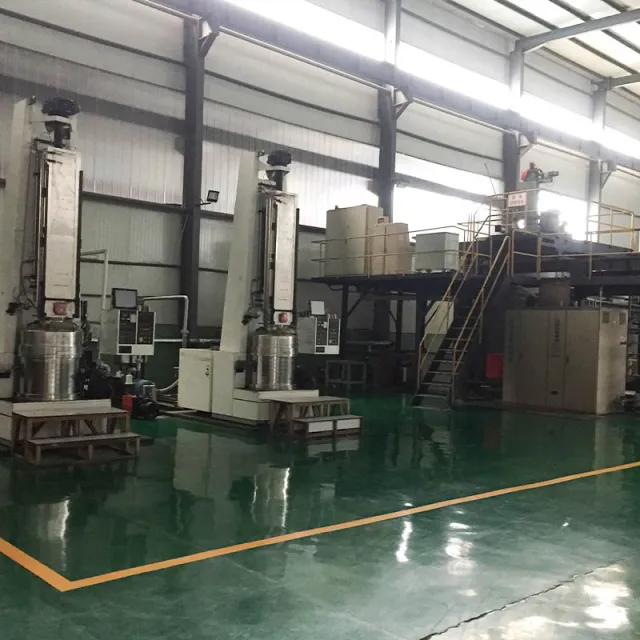
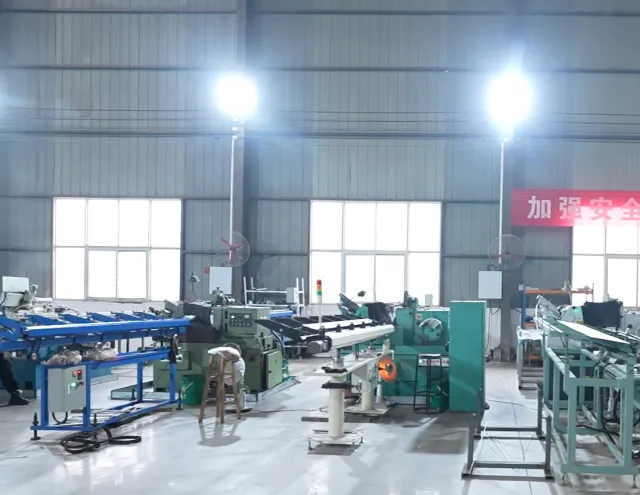
For B2B procurement managers, OEM manufacturers and industrial distributors across North America and Europe, Titanium Disc and titanium alloy Disc are foundational blanks for precision machining and high-performance component fabrication. QYX METAL CO., LTD is a high-tech manufacturer located in Baoji, known as “China Titanium Valley”. Our factory features modern forging workshops, CNC machining hubs, heat treatment stations and independent metallurgical laboratories, supported by an experienced R&D team of senior metallurgists and process engineers. We continuously invest in material testing and forging process optimization, holding ISO9001, TUV and BV certifications. Our broad product portfolio covers Aircraft Titanium Material, Aircraft Titanium Fasteners, Titanium Auto Part, Medical Titanium Alloy, Titanium Fittings and Titanium Outdoor Gears . Our Premium High Precision Titanium Disc Titanium Alloy Disc belongs to our premium Titanium Forgings lineup, and we also supply finished and semi-finished Titanium Disc & Titanium Target for sputtering and coating applications. Choosing the right titanium disc type directly impacts component service life, machining yield and total project cost.
Benefits of Using Titanium Discs
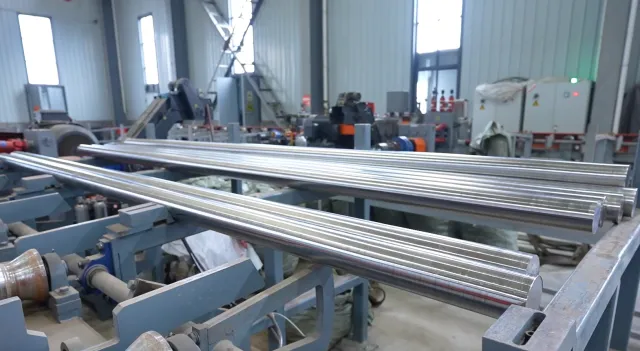
Titanium discs outperform steel, stainless steel and aluminum circular blanks for harsh industrial environments, delivering a balanced set of engineering advantages. Titanium provides an exceptional strength-to-weight ratio, cutting equipment dead load while retaining high structural integrity. The self-forming passive oxide film delivers outstanding resistance to seawater, chloride, acids and alkalis. Titanium remains dimensionally stable across extreme high and cryogenic temperatures, is non-magnetic and offers excellent biocompatibility for medical manufacturing. Our forged Titanium Alloy Disc undergoes hot forging, grain refinement and controlled heat treatment; its dense, uniform microstructure delivers superior tensile strength, fatigue resistance and impact toughness compared with cast or plate-cut alternatives. These benefits make Titanium Disc blanks ideal for downstream processing into flanges, pump cores, rotating assemblies, dental and orthopedic components, alongside our supporting Titanium Fittings for full system assemblies.
Types of Titanium Discs Available
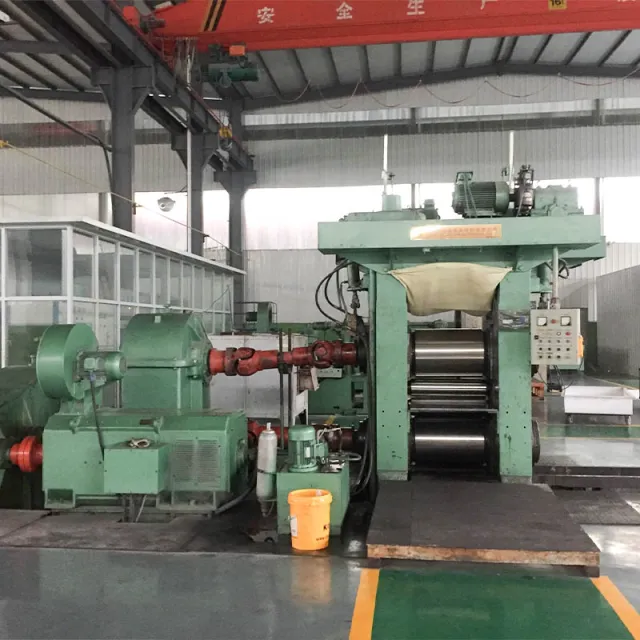
Industrial buyers primarily select from three mainstream titanium disc categories, each built for distinct functional priorities. QYX supplies all three configurations in multiple titanium grades including Grade 1, Grade 2, Grade 5 (Ti‑6Al‑4V), Grade 9 and Grade 12, with as-forged, rough-machined and finely polished surface states available.
- Solid Titanium Discs: Fully dense monolithic blanks, most commonly produced as premium Titanium Forgings for structural and rotating load-bearing parts
- Perforated Titanium Discs: Precision punched or CNC-drilled with patterned holes for filtration, flow distribution, gas diffusion and lightweight assemblies
- Coated Titanium Discs: Base titanium substrate finished with plasma spray, anodized, PVD or bioactive coatings for enhanced wear resistance, osseointegration or specialized chemical compatibility
Before finalizing a selection, procurement teams should match disc type to mechanical load, fluid environment, temperature range and secondary machining workflow.
Solid Titanium Discs: Pros and Cons
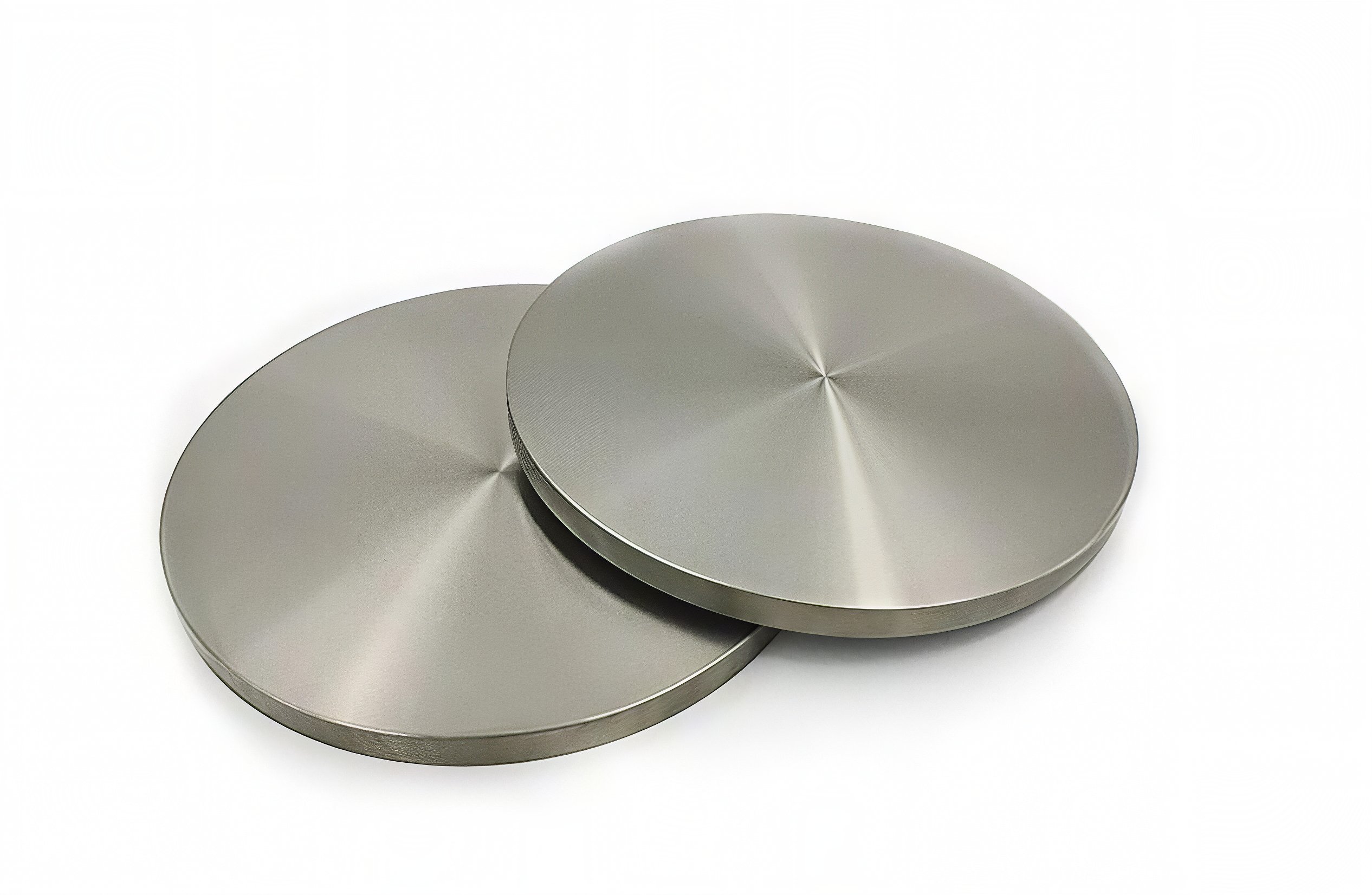
Solid forged Titanium Disc is our flagship blank for high-end manufacturing and the most widely specified by aerospace, marine and medical OEMs.
- Advantages: Maximum structural density, excellent fatigue resistance, uniform grain flow, full traceability of Titanium Materials, flexible CNC machining into valve, pump and rotating components. Fully compliant with ASTM B381 for forging quality control.
- Disadvantages: Higher raw material consumption, heavier than perforated alternatives, longer forging and heat treatment lead times for large diameters, higher unit cost for low-stress non-critical applications.
Our Premium High Precision Titanium Alloy Disc falls into this category. It is the preferred choice for Aircraft Titanium Material blanks, Medical Titanium Alloy implant preforms and pressure-containing components for petrochemical and offshore systems.
Perforated Titanium Discs: Advantages and Drawbacks
Perforated titanium discs start from solid Titanium Plate or forged blanks, then feature precision hole arrays produced by laser cutting, punching or CNC milling.
- Advantages: Reduced weight, controlled flow passage, filtration capability, lower material cost for static non-fatigue applications. Suitable for desalination stacks, chemical filter assemblies and new energy cell hardware.
- Disadvantages: Hole edges create stress concentration points, reducing fatigue life under cyclic rotation or vibration. Hole pattern design restricts downstream turning and milling options, and custom perforation layouts increase programming and inspection time.
QYX can supply perforated titanium discs in matched alloy grades, often paired with our standard Titanium Fittings for complete filter and manifold assemblies for marine and chemical projects.
Coated Titanium Discs: Features and Considerations
Coated titanium discs use a base Titanium Alloy Disc substrate with a functional surface layer, widely used for biomedical implants, sputtering targets and high-wear sliding parts.
- Advantages: Bioactive coatings improve bone integration for dental and orthopedic Medical Titanium Alloy blanks; hard coatings boost wear resistance; inert barrier coatings extend service life in aggressive mixed corrosive media.
- Disadvantages: Coating adds cost and lead time; coating delamination risk exists if substrate surface preparation is inadequate. Coatings are easily damaged during secondary machining, so most coated discs ship as near-net finished parts rather than raw blanks.
Our R&D team works with customers to validate coating-substrate compatibility, supporting OEM medical and semiconductor Titanium Disc & Titanium Target specifications.
Applications for Different Disc Types
Each titanium disc type aligns with distinct industry use cases:
- Solid Titanium Disc: Aerospace rotating blanks, landing gear auxiliary components, offshore pressure equipment, pump & valve cores, orthopedic and dental implant preforms, Titanium Auto Part lightweight chassis and powertrain blanks.
- Perforated Titanium Disc: Seawater desalination membranes support, chemical filtration plates, battery flow field plates, gas distribution components and outdoor fluid control hardware alongside Titanium Outdoor Gears.
- Coated Titanium Disc: Bioactive medical implant substrates, sputtering targets, wear-resistant sliding seals and specialized electrochemical electrode plates.
When you share your end-use environment and loading conditions, our engineering team will recommend the most cost-effective disc type and titanium alloy grade for your RFQ.
Factors to Consider When Choosing a Disc Type
Use this structured checklist before specifying your Titanium Disc or Titanium Alloy Disc:
- Mechanical loading: Static pressure, continuous rotation, cyclic fatigue or occasional impact loads
- Working media: Seawater, chloride, acids, alkalis, high-purity process gas or body fluid
- Temperature operating range and thermal cycling frequency
- Secondary processing requirements: CNC turning, milling, drilling, polishing or coating after delivery
- Compliance needs: ASTM B381, ASTM F136 for medical, AMS aerospace specifications and third-party NDT testing
- Budget, batch volume and required lead time for sampling and mass delivery
Many buyers mistakenly select perforated or coated discs for fatigue-critical rotating assemblies, which can lead to premature component failure and costly field recalls. Solid forged titanium discs remain the safest default for high-load rotating parts.
Cost Comparison of Various Disc Types
Total landed cost follows a predictable order, from lowest to highest baseline price: perforated titanium plate-cut discs, solid plate-cut titanium discs, solid forged Titanium Alloy Disc, custom perforated forged discs, and coated titanium discs. Plate-cut blanks have lower upfront pricing, but inconsistent grain flow and higher scrap rates during precision machining often drive up total cost. Forged solid discs carry a higher unit price but deliver stable mechanical performance, fewer machining rejects and longer service cycles. Coated variants add surface treatment, inspection and packaging overhead. QYX supports flexible tiered pricing for prototypes, small batches and volume orders, and our engineering team can review drawings to help customers balance performance requirements and budget without over-specifying.
Expert Recommendations on Selecting the Right Disc
- Choose solid forged Titanium Alloy Disc for fatigue, rotating, pressure-bearing, aerospace and medical implant projects, where reliability and traceability are non-negotiable.
- Choose perforated titanium discs for static filtration, flow distribution and low-vibration new energy hardware when weight reduction and fluid passage are core priorities.
- Choose coated titanium discs only when surface bioactivity, wear resistance or special chemical barrier performance is required, and confirm no heavy secondary machining will be performed after coating.
- Always confirm alloy grade: Grade 2 for general corrosion resistance, Grade 5 Ti‑6Al‑4V for high strength, Grade 9 and Grade 12 for specialized corrosion and temperature environments.
- Send full drawings, tolerance and test requirements to our team early; we provide pre-order technical review to avoid specification errors.
Top 5 Concerns of Western B2B Titanium Procurement Managers
When comparing Titanium Disc and Titanium Alloy Disc options, international purchasing managers focus on five critical priorities. First, clear traceability with heat numbers, MTC documents and batch certification records, essential for regulated aerospace and medical supply chains. Second, predictable mechanical consistency; plate-cut discs and low-quality perforated blanks frequently fail fatigue and corrosion testing, creating expensive downstream scrap after CNC investment. Third, alignment with ASTM B381 and supplementary industry standards, with support for third-party ultrasonic, penetrant and hardness testing. Fourth, flexible production capacity covering prototype sampling, mid-volume runs and stable lead times, especially when switching from cheaper plate stock to premium forged blanks. Fifth, responsive engineering consultation to match disc type, alloy grade and surface finish to the end application, including drawing feedback before formal order confirmation to eliminate misinterpreted specifications and delivery delays.
New Technology R&D and Application Updates
Recent metallurgical and surface-treatment R&D continues to expand the usable boundaries of Titanium Alloy Disc products. Controlled-atmosphere hot forging and AI furnace monitoring minimize alpha-case contamination and deliver tighter grain uniformity across large forged disc batches. Near-net-shape forging reduces machining allowance, cutting waste and CNC processing time for buyers. New bioactive coating formulations improve bone integration rates for Medical Titanium Alloy discs, while advanced laser perforation technologies produce clean, low-stress hole patterns for high-purity chemical and energy applications. Powder metallurgy titanium discs are gaining traction for low-to-medium load static parts, yet forged solid discs remain dominant for safety-critical rotating components. QYX’s R&D lab evaluates these emerging processes continuously, validating performance before introducing them to OEM and distributor customers, while maintaining our proven, auditable forging workflow for high-reliability Aircraft Titanium Material and industrial blanks.
Industry Trend Interpretation
Three powerful trends are reshaping global titanium disc sourcing. First, industrial end users keep pushing lightweighting and extended service life targets, steadily replacing stainless steel and cast titanium blanks with forged Titanium Disc for aerospace, automotive, marine and new-energy equipment. Second, B2B buyers are moving away from general metal traders toward vertically integrated manufacturers that own forging, heat treatment, CNC machining and in-house laboratory testing, as traceability and compliance risks are much harder to manage through middlemen. Third, sustainability requirements are rising across Europe and North America; purchasers prioritize suppliers that reduce machining waste through near-net forging and supply fully recyclable Titanium Materials. These trends favor integrated manufacturers such as QYX, who control the full production chain, hold ISO9001, TUV and BV certifications and deliver OEM/ODM customization for Titanium Forgings and related titanium components.
Product Usage & Maintenance Guidelines
- Storage: Store all Titanium Disc blanks in dry, low-humidity warehouses. Isolate titanium from bare carbon steel to prevent iron contamination and galvanic discoloration.
- Machining: Use rigid fixturing, sharp carbide cutting tools and abundant coolant. Avoid excessive cutting heat, which creates brittle surface alpha-case layers and degrades fatigue performance.
- Handling: Wear clean lint-free gloves for polished, medical-grade or pre-coated discs. Avoid edge impacts that create stress risers and crack initiation points.
- Cleaning: Remove cutting fluid, grease and iron particles immediately after machining. Residual iron contamination triggers localized corrosion in chloride environments.
- Coated disc care: Protect coated surfaces from abrasion; any post-coat machining will remove the functional layer and invalidate coating performance guarantees.
- Inspection: Recheck dimensions and surface integrity before assembly; schedule periodic NDT re-inspection for rotating and cyclically loaded solid titanium discs.
Industry Standard Knowledge: Quality & Safety Specifications
The primary governing specification for forged Titanium Alloy Disc is ASTM B381, which defines chemical composition limits, mechanical test criteria, sampling rules, heat treatment guidance and acceptance thresholds for titanium forgings including discs and rings. Supporting standards include ASTM B348 for raw titanium billet, ASTM E165 for liquid penetrant inspection, ASTM A388 for ultrasonic testing and ASTM F136 for medical-grade titanium alloy. Aerospace projects commonly add supplementary AMS material specifications. QYX’s quality management system follows ISO9001, TUV and BV protocols. Every shipment can be accompanied by certified MTC paperwork and third-party test reports, satisfying audit requirements for marine, chemical, aerospace and medical markets.
FAQ
Q1: Which titanium disc type is best for rotating aerospace parts?
A: Solid forged Titanium Alloy Disc is the recommended option. Its refined, continuous grain flow delivers superior fatigue resistance, which perforated and coated discs cannot match for cyclic rotating loads. This is our standard blank for Aircraft Titanium Material components.
Q2: Can perforated titanium discs be used for medical implants?
A: Only in static, low-load applications such as filtration supports. For implant structural blanks, solid Medical Titanium Alloy forged discs are required, and bioactive coatings are applied after final machining when specified.
Q3: Can QYX customize hole patterns or coating formulations for titanium discs?
A: Yes, our OEM & ODM service supports custom hole layout, diameter, alloy grade, surface finish and coating requirements. We review drawing feasibility and share technical feedback before quotation.
Q4: What surface options are available for solid titanium discs?
A: We offer three standard states: as-forged, rough machined and finely polished. You can specify flatness, parallelism and thickness tolerances for your downstream CNC workflow.
Q5: How do I start an RFQ for titanium disc comparison and selection?
A: Send engineering drawings, alloy grade, disc type, surface requirement, batch quantity and compliance document needs to Negan@qyx-metal.com or WhatsApp +86 18791795597.
Conclusion: Finding Your Ideal Titanium Disc
Selecting between solid, perforated and coated Titanium Disc and Titanium Alloy Disc depends entirely on your load profile, operating environment, machining plan and compliance requirements. Solid forged blanks deliver maximum reliability for high-stakes rotating, pressure and medical applications; perforated discs serve static filtration and lightweight flow hardware; coated discs add specialized surface functionality for biomedical and sputtering work. As a China Titanium Valley manufacturer, QYX METAL CO., LTD supplies all three variants, supported by in-house forging, precision CNC, metallurgical testing and a full catalog of complementary products including Aircraft Titanium Fasteners, Titanium Auto Part, Medical Titanium Alloy and Titanium Outdoor Gears. Our team helps B2B buyers compare trade-offs between performance, lead time and cost. Submit your drawings and specifications for a targeted quotation today.
References
ASTM International. (2026). ASTM B381‑26 Standard Specification for Titanium and Titanium Alloy Forgings. ASTM International, West Conshohocken, PA. Wikipedia Contributors. (2026, Mar 12). Titanium alloy forms, forging and fatigue behavior comparison. Wikipedia. Metal Fabrication Engineering Group. (2026, Jul 22). Forged vs plate-cut titanium disc fatigue testing data. Reddit Industrial Metals Community, Contributor: TiMaterialsEngineer. Global Raw Material Sourcing Forum. (2026, Aug 18). Buyer guide for comparing solid, perforated and coated titanium blanks. Quora B2B Metal Procurement Thread.
Follow QYX METAL
Facebook: https://www.facebook.com/profile.php?id=100085767445028
YouTube: https://www.youtube.com/channel/UCKRZDvakWR3cWKV_IzVdusg
Instagram: https://www.instagram.com/qyx_titanium/
LinkedIn: https://www.linkedin.com/in/leon-li-80687933b/