
Enhance Industrial Operational Efficiency With Premium Titanium Pneumatic Regulating Valves
Blog Outline & Overview
Overview: This professional industrial blog focuses on Titanium Pneumatic Regulating Valve for Industrial Use, exploring its core definition, unique advantages over traditional steel valves, industrial application scenarios, installation and maintenance specifications, industry trends, and enterprise manufacturing strengths. Targeted at European and American B2B industrial purchasers, it solves core procurement concerns including durability, corrosion resistance, cost performance, compliance, and customized service. Combined with QYX Metal’s factory strength, R&D innovation, and full industrial product layout, it provides authoritative, practical, and high‑value industrial equipment selection guidance.
Core Outline: 1. Basic introduction to titanium pneumatic regulating valves; 2. Unique industrial advantages of Titanium Materials; 3. Efficiency improvement principles of pneumatic regulating valves; 4. Performance comparison with traditional metal valves; 5. Core application industries and scenarios; 6. Standardized installation and maintenance guidelines; 7. Industrial application success cases; 8. Latest industry technology trends; 9. B2B procurement core concerns analysis; 10. QYX Metal’s manufacturing and R&D strength support; 11. Industry standard popularization and technical specifications; 12. FAQ for industrial users.
1. Introduction to Titanium Pneumatic Regulating Valves
A Titanium Pneumatic Regulating Valve for Industrial Use is a high‑precision terminal fluid control component specially designed for harsh industrial working conditions. It adopts titanium and titanium alloy (TA1, TA2, TA10) as the core materials for valve bodies and internal accessories, and is driven by a high‑performance pneumatic actuator to precisely adjust industrial fluid flow, pressure, and temperature. As a key subdivision of Titanium Materials industrial control equipment, it integrates the excellent physical and chemical properties of titanium metal and intelligent pneumatic control technology.
Widely adaptable to global industrial production systems, this valve covers conventional and special industrial scenarios including power generation, chemical engineering, petrochemical, oil and gas, marine engineering, food processing, pharmaceutical manufacturing, and paper making. It is also compatible with supporting equipment such as heat exchangers, condensers, and seawater treatment devices. Diversified product forms including ball valves, manifold valves, relief valves, and metering valves can be customized to match different pipeline systems, making it a core replacement product for traditional stainless steel and carbon steel regulating valves in high‑corrosion and high‑precision industrial scenarios.
2. Core Benefits of Titanium Materials in Industrial Valve Manufacturing
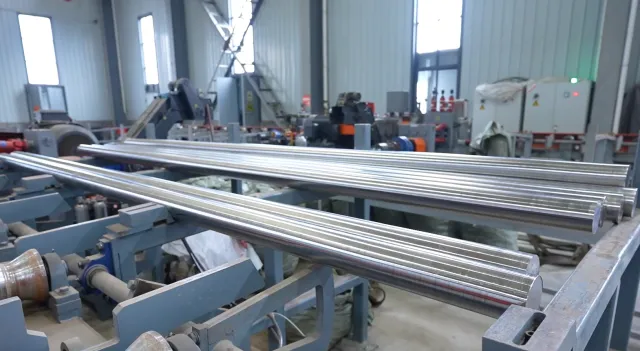
Titanium alloy has become the preferred material for high‑end industrial regulating valves due to its unique physical and chemical properties, bringing irreversible performance advantages to Titanium Pneumatic Regulating Valve for Industrial Use compared with traditional metal valves. QYX Metal, a professional manufacturer rooted in "China Titanium Valley", relies on mature Titanium Forgings technology and precision processing experience to optimize valve material performance in all dimensions.
- Superior Corrosion Resistance: Titanium alloy forms a dense and stable passive protective film on the surface, resisting erosion by seawater, nitric acid, acetic acid, chloride solution, and various acidic and alkaline corrosive media. Its corrosion resistance is far beyond 316L stainless steel, effectively avoiding valve aging, leakage, and failure caused by medium corrosion, and greatly extending equipment service life.
- High Strength & Ultra‑Light Weight: Titanium material has an ultra‑high strength‑to‑weight ratio, 40% lighter than steel valves under the same pressure and caliber specifications. It reduces the overall load of industrial pipeline systems, lowers installation difficulty, and cuts long‑term pipeline operation energy consumption, perfectly adapting to lightweight and high‑pressure industrial working conditions.
- Extreme Temperature Adaptability: High‑performance Grade 2 titanium control valves maintain stable toughness and structural strength under high‑temperature and high‑pressure environments, and can also operate normally in cryogenic working conditions. They are not easy to deform or damage, meeting the extreme environmental operation requirements of special industrial production.
- Non‑Toxic & Environmentally Friendly: Pure titanium and titanium alloy materials are non‑toxic, non‑radioactive, and will not dissolve or pollute production media. They fully comply with international hygiene and environmental protection standards, and are widely recognized in pharmaceutical, food, and drinking water treatment industries.
3. How Titanium Pneumatic Regulating Valves Boost Industrial Operational Efficiency
Modern industrial production pursues high precision, high stability, and low consumption. The Titanium Pneumatic Regulating Valve for Industrial Use relies on intelligent pneumatic drive and precision control technology to solve the pain points of low accuracy, frequent failure, and high maintenance cost of traditional valves, helping enterprises achieve efficient production iteration.
3.1 Precise Intelligent Regulation
Equipped with high‑precision pneumatic actuators and intelligent positioners supporting 4‑20mA, HART, and FF industrial protocols, the valve achieves a control accuracy of ±0.5% FS. It supports customized linear, equal percentage, and quick‑opening flow characteristics, realizing real‑time and accurate adjustment of fluid parameters and avoiding production efficiency loss caused by parameter deviation.
3.2 Safe & Stable Continuous Operation
The pneumatic drive mode has inherent explosion‑proof and flame‑retardant properties, suitable for flammable and explosive dangerous industrial areas such as petrochemical and oil and gas fields. The single‑acting spring return and double‑acting dual design ensures the valve automatically resets to a safe position in case of air loss, effectively avoiding production safety accidents and unplanned shutdowns.
3.3 Low Maintenance & Long Service Cycle
Combined with titanium material’s excellent wear resistance and corrosion resistance, and the simple and reliable structure of pneumatic components, the valve greatly reduces replacement and maintenance frequency. It effectively cuts enterprise equipment operation and maintenance costs, improves production line continuous operation rate, and realizes long‑term efficient and stable production.
4. Titanium Pneumatic Valves vs. Traditional Steel Valves: Full Performance Comparison
Most European and American industrial manufacturers traditionally adopt stainless steel and carbon steel regulating valves. However, with the upgrading of industrial working conditions and environmental standards, traditional metal valves can no longer meet the demand of high‑end harsh working conditions. The following is a core performance comparison between Titanium Pneumatic Regulating Valve for Industrial Use and traditional valves:
| Performance Dimension | Titanium Pneumatic Regulating Valve | 316L Stainless Steel Valve | Carbon Steel Valve |
| Corrosion Resistance | Excellent (resists seawater, acid, chloride) | Medium (fails in strong corrosive media) | Poor (easy to rust and corrode) |
| Weight | 40% lighter than steel valves | Heavy | Heavy |
| Control Accuracy | ±0.5% FS high precision | ±1.5% FS conventional accuracy | ±2.5% FS low accuracy |
| Temperature Adaptability | Cryogenic to high temperature stable operation | Limited low‑temperature resistance | Poor extreme temperature resistance |
| Service Life | 3‑5 times longer than steel valves | Medium service life | Short service life |
| Maintenance Cost | Ultra‑low long‑term cost | Medium maintenance cost | High frequent maintenance cost |
Supported by QYX Metal’s mature Titanium Fittings processing technology, all valve connecting accessories are integrally forged and processed, ensuring matching precision and overall structural stability, further highlighting the comprehensive advantages of titanium valves.
5. Core Application Industries & Scenarios
Relying on corrosion resistance, high precision, safety and stability, Titanium Pneumatic Regulating Valve for Industrial Use has become a standard supporting component for high‑end industrial production, covering multiple high‑demand industries worldwide:
- Chemical & Petrochemical Industry: Suitable for nitric acid, acetic acid, chlor‑alkali, PTA fine chemical and petrochemical intermediate processing systems, resisting various strong corrosive chemical media to ensure stable operation of production lines.
- Marine & Seawater Engineering: Applied to offshore oil platforms, seawater desalination equipment, and coastal wastewater treatment systems. It effectively resists chloride ion erosion in seawater and solves the problem of easy failure of traditional valves in marine environments.
- Metallurgical & Hydrometallurgy Industry: Used in acid leaching systems and high‑concentration metal ion solution treatment processes for copper, nickel, and zinc metallurgy, adapting to long‑term acidic and high‑corrosion working conditions.
- Pharmaceutical & Food Industry: Adopted in sterile pharmaceutical production lines and food processing equipment. Titanium materials meet international food‑grade and medical hygiene standards, avoiding medium pollution and ensuring product safety.
- Environmental Protection & Sewage Treatment: Adaptable to acidic and alkaline sewage, chlorinated wastewater treatment, and waste gas desulfurization and denitrification systems, maintaining stable regulation performance in harsh sewage environments.
- Aerospace & High‑End Manufacturing: Matches lightweight and high‑precision production requirements of Aircraft Titanium Material supporting systems, ensuring high stability of fluid control in aerospace equipment.
6. Product Installation & Daily Maintenance Best Practices
Standardized installation and scientific maintenance are key to maximizing the service life and operational efficiency of Titanium Pneumatic Regulating Valve for Industrial Use. Combined with many years of QYX Metal’s industrial manufacturing experience, we summarize professional operation guidelines for European and American industrial purchasers:
6.1 Standard Installation Steps
- Pre‑Installation Inspection: Check the valve body, pneumatic actuator, and sealing accessories for damage, verify that product parameters (caliber, pressure grade, material grade) match the working conditions, and confirm compliance with ASTM B381 and industrial pipeline standards.
- Pipeline Preprocessing: Clean pipeline impurities, rust, and welding slag to avoid particle abrasion on the titanium valve core and sealing surface during operation.
- Positioning & Installation: Install the valve in a horizontal or vertical position according to pipeline design requirements, ensure firm fixing, avoid pipeline stress extrusion, and correctly connect pneumatic air sources and signal lines.
- Debugging & Testing: Conduct air tightness test, stroke debugging, and precision calibration to ensure flexible valve opening and closing, accurate parameter regulation, and no leakage at connecting parts.
6.2 Daily Maintenance & Upkeep Skills
- Regular Inspection: Check the pneumatic actuator air tightness, valve sealing performance, and signal response accuracy every month; inspect connecting pipeline looseness and medium leakage.
- Timely Cleaning: Regularly clean valve surface and internal residual media, avoid long‑term accumulation of corrosive substances affecting component performance; use neutral cleaning agents suitable for titanium materials.
- Component Maintenance: Regularly replace pneumatic system filter elements and lubricate transmission components; regularly calibrate intelligent positioners to ensure regulation accuracy.
- Idle Storage Management: For idle valves, clean and dry them completely, store them in a dry and dust‑free environment, and avoid long‑term exposure to corrosive gas environments.
7. Industrial Success Case Studies
7.1 Marine Seawater Desalination Project (European Coastal Enterprise)
A large coastal environmental protection enterprise in Germany previously adopted 316L stainless steel regulating valves for seawater desalination pipeline systems, which suffered from frequent chloride corrosion, valve leakage, and annual replacement and maintenance costs of more than 120,000 euros. After switching to Titanium Pneumatic Regulating Valve for Industrial Use provided by QYX Metal, the equipment has operated stably for 4 years without corrosion failure. The enterprise’s annual maintenance cost is reduced by 75%, and the pipeline system operation stability is greatly improved.
7.2 Fine Chemical Production Project (American Manufacturing Factory)
An American fine chemical manufacturer’s nitric acid processing workshop has strict requirements for fluid regulation precision and medium corrosion resistance. Traditional carbon steel valves have low control accuracy, which easily causes production parameter deviation and affects product qualification rate. After adopting QYX titanium pneumatic regulating valves, the production parameter control accuracy is improved to ±0.5% FS, the product qualification rate is increased by 8%, and the continuous operation cycle of the production line is extended by 30%.
8. Latest Industry Technology & Development Trends
With the upgrading of global industrial intelligent manufacturing and environmental protection standards, the industrial pneumatic valve industry is developing towards intelligent precision, lightweight customization, green environmental protection, and full‑life cycle service. In 2026, new technologies and new applications continue to iterate, bringing new development opportunities for titanium industrial valves:
Intelligent industrial control technology is deeply integrated with valve equipment. More and more high‑end industrial valves are equipped with intelligent monitoring and remote diagnosis systems, realizing real‑time monitoring of valve operating status, automatic early warning of faults, and remote parameter calibration, which greatly reduces manual operation and maintenance costs. The promotion of industrial Internet platforms enables valve operating data to be coupled with enterprise equipment management systems, realizing predictive maintenance and effectively reducing unplanned shutdown losses. In terms of material technology, low‑carbon and high‑strength titanium alloy forging processes are continuously optimized. Supported by 3D printing mold and AI smelting control technology, the precision of Titanium Block raw materials and valve blanks is further improved, while carbon emissions in the production process are reduced. In addition, customized personalized valve solutions have become the mainstream of the market. According to different working conditions such as medium, temperature, and pressure, targeted material ratio and structural design have become the core competitiveness of high‑end valve manufacturers. The industry is also paying more attention to product full‑life cycle quality traceability and compliance certification, and SIL2 functional safety certification and multi‑standard joint testing have become the basic thresholds for European and American B2B procurement.
9. Core Procurement Concerns of European & American B2B Industrial Buyers
European and American industrial factory procurement managers, brand dealers, and OEM manufacturers focus on five core dimensions when purchasing industrial pneumatic regulating valves: product quality compliance, working condition adaptability, full‑life cycle cost, customized service capability, and supplier comprehensive strength. First, compliance certification is the primary procurement threshold. Buyers require products to meet international industrial standards such as ASTM, ISO, and IEC, and have complete test reports and quality traceability documents to ensure that the equipment meets local industrial safety and environmental protection specifications. Second, working condition matching performance is the core evaluation index. Purchasers pay high attention to the corrosion resistance, temperature and pressure resistance, and regulation accuracy of valves, requiring products to maintain long‑term stable operation in harsh industrial environments and avoid frequent failure affecting production. Third, full‑life cycle cost control is the key consideration. Unlike one‑time price comparison, professional B2B buyers focus on the comprehensive cost of product purchase, installation, maintenance, and replacement in the whole life cycle, and prefer high‑quality titanium valves with low long‑term operation costs and long service life. Fourth, customized service capability is an important competitive point. Different industrial production lines have personalized requirements for valve caliber, flow characteristics, and control protocols, and buyers need suppliers to provide one‑stop customized design and processing services. Fifth, supplier strength and after‑sales guarantee are the final decision factors. Buyers tend to cooperate with standardized manufacturers with independent factories, professional R&D teams, and complete after‑sales systems to ensure stable product supply and timely technical support.
10. New Technology R&D and Industrial Application Dynamics
In recent years, driven by the upgrading of global high‑end manufacturing, the R&D and application of titanium pneumatic regulating valve technology have achieved major breakthroughs. Major breakthroughs focus on intelligent control iteration, composite material optimization, and green manufacturing upgrading. In terms of intelligent technology, the new generation of titanium pneumatic valves has realized compatibility with multi‑protocol intelligent control systems, supporting HART, FF, and Modbus multi‑dimensional signal interaction, and can be seamlessly connected with industrial DCS and PLC systems, achieving ultra‑precise automatic regulation and intelligent fault diagnosis. In terms of material innovation, R&D teams have optimized the ratio of TA2 and TA10 titanium alloys, improving the low‑temperature toughness and high‑pressure resistance of valves, and realizing stable operation in ultra‑low temperature cryogenic and ultra‑high pressure industrial scenarios that cannot be covered by traditional products. In terms of processing technology, QYX Metal innovatively adopts integrated forging and precision CNC processing technology, combining mature Titanium Disc & Titanium Target precision processing experience to eliminate welding gaps of valve bodies, improve overall structural tightness and durability, and reduce product failure rate. At the same time, the industry is promoting green manufacturing technology, optimizing the production process of titanium valves, reducing energy consumption and carbon emissions in the processing process, and meeting the low‑carbon environmental protection procurement standards of European and American industrial enterprises. In terms of application expansion, new technology products have been successfully applied in aerospace Aircraft Titanium Material supporting systems, deep‑sea marine engineering, and high‑purity pharmaceutical production, continuously expanding the high‑end application boundary of titanium pneumatic regulating valves.
11. Industrial Quality & Safety Standard Popularization
The production, testing, and application of Titanium Pneumatic Regulating Valve for Industrial Use strictly follow international and domestic authoritative industrial standards, which are the core basis for ensuring product quality and industrial safe operation:
- Material Standards: Comply with ASTM B381, AMS 4928, GB/T 3625‑2026 titanium alloy material standards, strictly control titanium material purity and alloy ratio, and ensure the basic physical and chemical properties of valve raw materials.
- Manufacturing Standards: Implement ASTM B363 industrial pipe fitting manufacturing specifications and ASME B16.9 pipeline component standards, ensuring standardized valve processing size and structural precision.
- Safety & Testing Standards: Meet IEC 61511 industrial functional safety standards, JB/T 14328‑2026 industrial automation instrument acceptance specifications, and pass strict air tightness, pressure resistance, and precision calibration tests.
- Quality System Standards: All products are produced in accordance with ISO9001 international quality management system certification, with full‑process quality monitoring and traceability.
QYX Metal has passed ISO9001, TUV, and BV international certifications, and all titanium valves and Medical Titanium Alloy products fully comply with European and American industrial access standards, providing qualified and compliant products for global industrial purchasers.
12. QYX Metal: Professional Titanium Valve Manufacturer Strength
Baoji Qi Yue Xin Metal Materials Co., Ltd. (QYX METAL CO., LTD) is located in Baoji, the famous "China Titanium Valley", with unique regional industrial chain and technical talent advantages. Founded in 2019, the company is a high‑tech professional manufacturer focusing on titanium and non‑ferrous metal product R&D, production and export, serving global European and American industrial B2B customers.
12.1 Factory Scale & Hardware Facilities
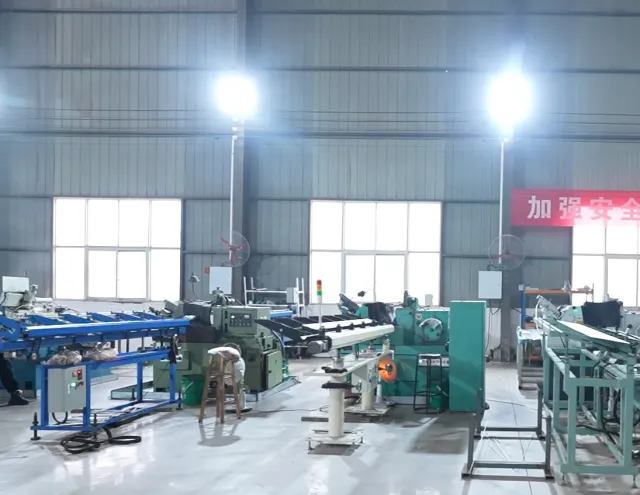
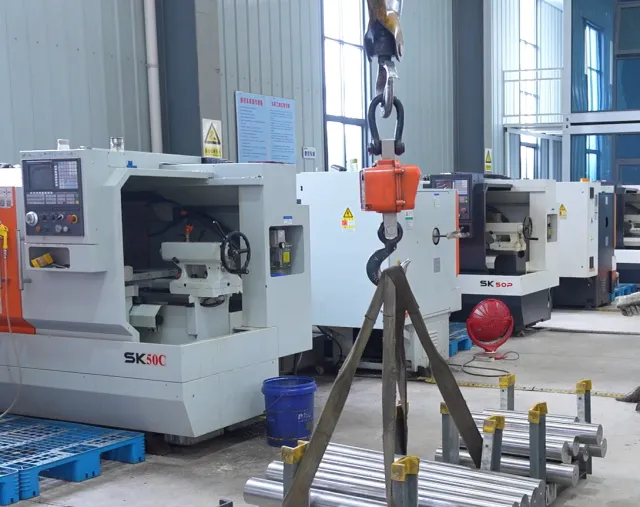
The company has a standardized modern production factory and professional precision processing workshop, equipped with advanced CNC processing equipment, integrated forging production lines, and professional quality inspection and testing instruments. The factory realizes full‑process independent production from titanium raw material forging, precision processing to finished product testing. It has a monthly supply capacity of 10,000kg of titanium raw materials and 10,000 sets of customized titanium industrial components, which can stably meet the bulk procurement and customized order needs of global industrial manufacturers and dealers.
12.2 R&D Team & Innovation Achievements
QYX Metal has a professional technical R&D team with many years of experience in titanium material processing and industrial valve design. The team has long been committed to the technical optimization of high‑corrosion and high‑precision titanium industrial equipment, continuously investing in technological innovation and product iteration. The company has obtained a number of independent intellectual property patents in titanium alloy forging and precision valve processing technology. While optimizing Titanium Pneumatic Regulating Valve for Industrial Use products, it independently develops and produces Titanium Auto Part, aerospace titanium materials, and Medical Titanium alloy products, with rich product lines and strong comprehensive R&D and manufacturing capabilities.
13. Frequently Asked Questions (FAQ)
Q1: What working conditions are titanium pneumatic regulating valves suitable for?
A1: It is specially suitable for high‑corrosion, high‑pressure, extreme temperature, and high‑precision regulation industrial scenarios, including chemical acid‑base medium treatment, seawater engineering, pharmaceutical food sterile production, environmental protection sewage treatment, etc. It can replace traditional steel valves in harsh working conditions to improve production stability.
Q2: Can the valve support customized parameter and structural design?
A2: Yes. QYX Metal supports full customized services according to customer working conditions, including valve caliber, pressure grade, flow characteristics, control protocol, and special structural design, meeting the personalized needs of OEM/ODM manufacturers and large industrial production lines.
Q3: What is the service life of titanium pneumatic regulating valves?
A3: Under standardized installation and maintenance, the service life is 3‑5 times that of 316L stainless steel valves, up to 8‑10 years. It greatly reduces equipment replacement frequency and long‑term operating costs for enterprises.
Q4: Do your products meet European and American industrial certification standards?
A4: All products comply with ASTM, ISO, IEC and other international standards, and the company has passed ISO9001, TUV, BV and other authoritative certifications. The products meet European and American industrial access and safety specifications, supporting global B2B procurement and export.
Q5: What after‑sales and technical support can be provided?
A5: QYX provides one‑stop services including pre‑sales working condition selection, in‑sales customized design, after‑sales installation guidance, regular maintenance guidance, and lifelong technical consultation. It supports global ocean, air, and land transportation to ensure timely and stable product delivery.
14. Conclusion: Long‑Term Value Investment in Titanium Industrial Equipment
In the context of global industrial upgrading and stricter production safety and environmental protection standards, traditional metal regulating valves can no longer adapt to the high‑efficiency, low‑consumption, and high‑stability development needs of modern industry. The Titanium Pneumatic Regulating Valve for Industrial Use has become the core preferred equipment for high‑end industrial fluid control by virtue of its superior corrosion resistance, high precision regulation, safety and stability, and ultra‑low long‑term maintenance cost.
As a professional titanium metal product manufacturer with mature R&D and manufacturing strength, QYX Metal relies on advanced Titanium Forgings and precision processing technology, strict quality control system, and professional customized service capabilities to provide global European and American industrial purchasers with high‑quality, compliant, and high‑value titanium pneumatic regulating valves and supporting industrial solutions. Choosing QYX titanium industrial valves is not only a choice of high‑performance equipment, but also a long‑term investment in enterprise production efficiency, safety stability, and cost reduction and efficiency improvement.
Reference Materials
[1] Shunqi Network. (2026, August 21). Development Trend and Application Prospect of Mechanical Pipeline Valve Industry. Industrial Equipment Technology Journal.
[2] Shunqi Network. (2026, August 16). Key Points of Industrial Valve Procurement Under New Industry Standards. Global Industrial Procurement Review.
[3] Shunqi Network. (2026, August 6). 2026 Industrial Metal Valve Quality Inspection and Acceptance Specification Guidelines. Mechanical Engineering Standards Review.
[4] Wikipedia. (2026). Industrial Pneumatic Control Valve Technology & Material Application Development.
[5] Industrial Automation Forum. (2026, July). Intelligent Upgrade Trend of High‑End Corrosion‑Resistant Industrial Valves.