Guide to Choosing the Best titanium alloy Rings for Your Needs
In industries where durability, strength, and resistance to harsh environments are paramount, Titanium Materials have emerged as a game‑changer. Among these, Corrosion‑Resistant Titanium Alloy Forging Ring for Industry stands out as a critical component, offering unmatched performance in demanding sectors such as aerospace, chemical processing, marine engineering, and energy production. Manufactured by QYX METAL CO., LTD located in China Titanium Valley‑Baoji, these industrial rings work alongside Titanium Forgings, Titanium Fittings and other precision components for global B2B buyers.
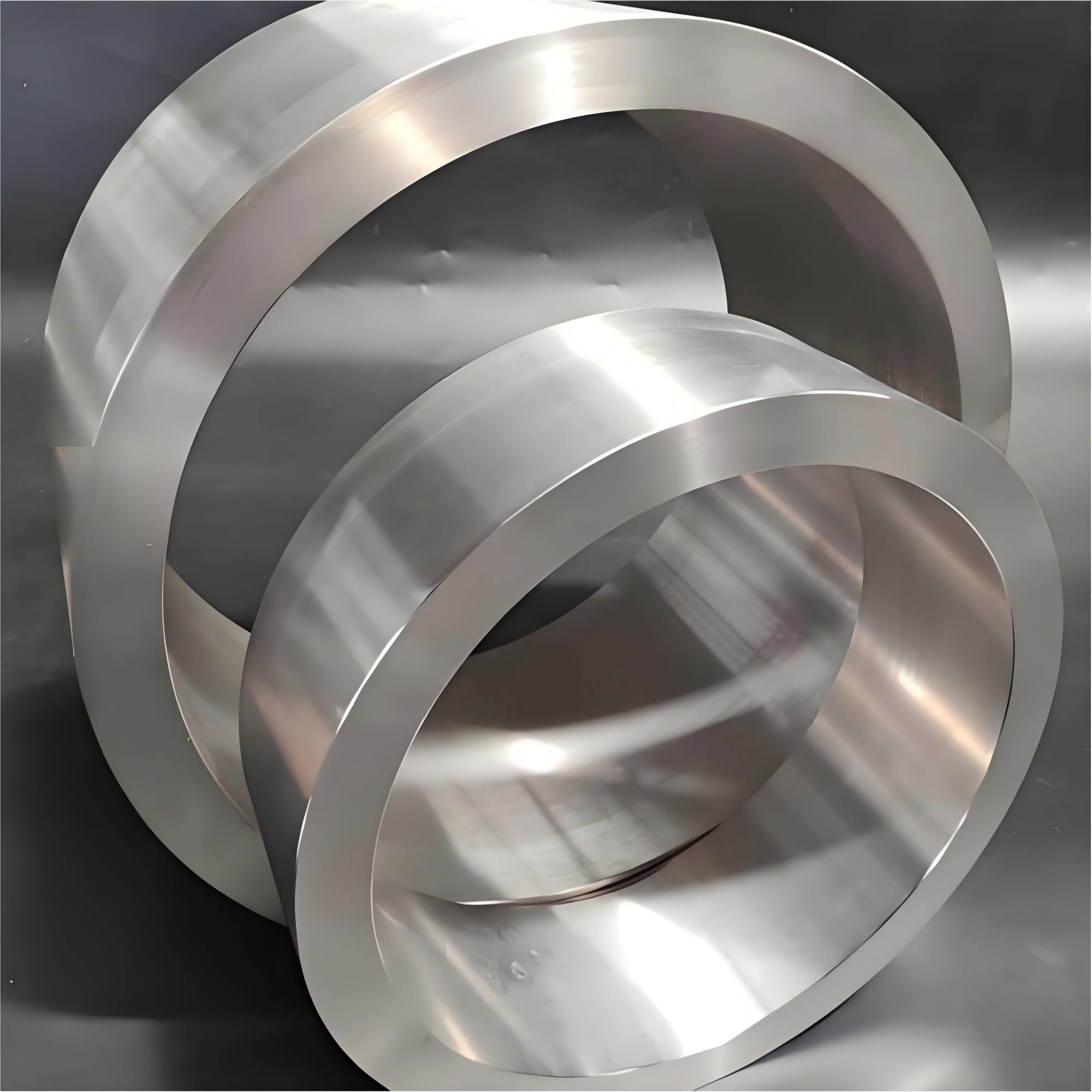
1. Introduction to Titanium Alloy Rings
Industrial titanium alloy forging rings are circular structural parts produced by hot forging and precision machining. The forging process shapes metal under high heat and pressure to eliminate internal defects and refine grain structure. This delivers superior structural integrity for cyclic‑loading and rotational‑stress applications. QYX supplies these rings together with Aircraft Titanium Material, Aircraft Titanium Fasteners for aerospace projects, and Titanium Auto Part for automotive high‑performance systems. Our product portfolio also covers Medical Titanium Alloy and Titanium Disc & Titanium Target to serve diversified industrial OEM/ODM requirements.
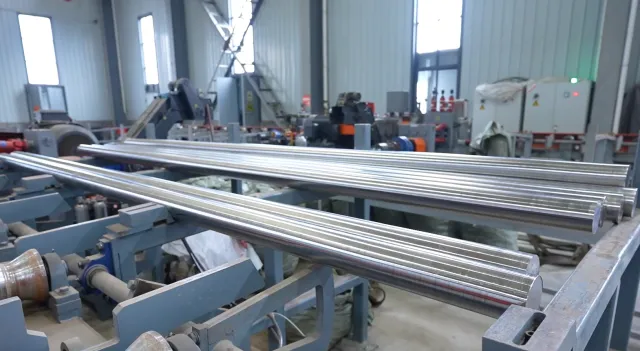
2. Benefits of Titanium Alloy Rings
A Titanium Ring forged from high‑grade alloy offers several key benefits for industrial end‑users:
- Exceptional Corrosion Resistance: Titanium forms a stable oxide layer that protects against corrosion, even in chloride‑rich environments like seawater or chemical plants.
- High Strength‑to‑Weight Ratio: Titanium rings are significantly lighter than steel counterparts while maintaining comparable or superior strength, reducing energy consumption and improving efficiency.
- Thermal Stability: Resistant to cracking under extreme temperatures, titanium rings perform reliably in both cryogenic and high‑heat applications.
- Longevity: With minimal maintenance requirements, titanium components outlast other materials, reducing lifecycle costs and downtime.
These advantages make titanium alloy rings preferred hardware for aerospace, chemical processing, marine engineering and energy production. QYX’s full‑range Titanium Materials support one‑stop sourcing for global manufacturers and dealers.
3. Understanding Different Titanium Alloys
Grade 2 Pure Titanium
Excellent general corrosion resistance, moderate strength. Best for chemical, seawater, desalination equipment.
Grade 5 (Ti‑6Al‑4V) Titanium Alloy
The most widely‑used high‑strength alloy. Applied in aerospace structures, Aircraft Titanium Fasteners, high‑load forging rings and heavy‑duty mechanical assemblies.
Special Medical‑Grade Titanium
Biocompatible Medical Titanium Alloy variants for medical equipment and implant‑adjacent industrial components.
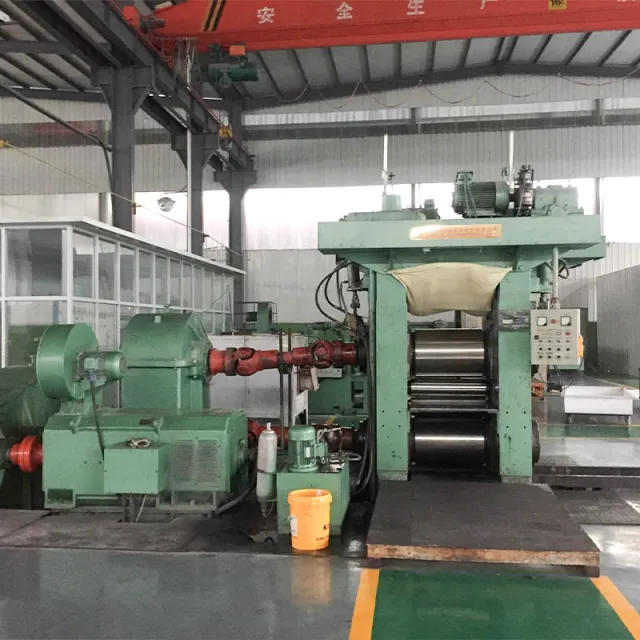
4. Factors to Consider When Choosing a Ring
For B2B procurement managers, evaluate these key points before placing orders for Corrosion‑Resistant Titanium Alloy Forging Ring for Industry:
- Confirm alloy grade matches working temperature, corrosive media and mechanical load of your equipment.
- Verify forging quality: zero internal cracks, uniform grain structure, controlled dimensional tolerance.
- Check compliance with international industry standards such as ASTM B381, AMS 4928 and ISO9001.
- Assess supplier’s OEM / ODM customization capacity and batch‑production stability.
- Evaluate lead‑time, third‑party test reporting and after‑sales technical support.
5. Comparing Titanium with Other Metals
- vs Stainless Steel: Titanium delivers far better chloride‑corrosion resistance and higher strength‑to‑weight ratio, though material cost per kilogram is higher. Lower total lifecycle cost for harsh‑environment equipment.
- vs Aluminum: Aluminum is lightweight but loses strength at moderate high temperature; titanium maintains mechanical performance across wide temperature ranges.
- vs Carbon Steel: Steel is low‑cost but suffers heavy rust; frequent replacement increases long‑term operational expense.
6. Popular Styles and Designs for Industrial Titanium Forging Rings
Industrial titanium forging rings are not decorative jewelry pieces; styles are defined by engineering requirements:
- Plain seamless forged rings — for general pressure‑vessel and flange assembly.
- Step‑profile forging rings — matched with Titanium Fittings for pipeline systems.
- Grooved / machined‑feature rings — for rotating machinery and aerospace structural assemblies.
- Custom near‑net‑shape forgings — OEM special geometry for energy and marine projects.
7. Sizing and Technical Tolerance Considerations
Accurate sizing and tolerance control are critical for B2B industrial procurement. Work with your supplier to provide outer diameter, inner diameter, height, surface finish and tolerance requirements. QYX factory can produce custom sizes for Titanium Forgings series according to customer drawings or samples. All dimensions are inspected before shipment to avoid assembly mismatch.
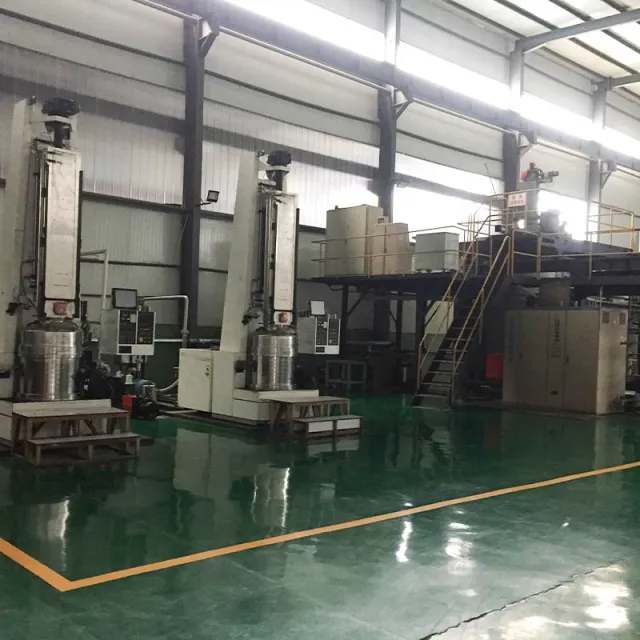
8. Maintenance and Care Tips for Titanium Forging Rings
Usage Guidelines
- Inspect surface for scratches, cracks or deformation before installation.
- Match alloy grade to actual working environment; do not over‑spec or under‑spec materials.
- Use titanium‑compatible welding and fastening processes during assembly.
Daily Maintenance
- Clean with neutral detergent; avoid strong acid‑alkali cleaners which may harm the passive oxide film.
- Schedule periodic non‑destructive testing for long‑term running equipment to detect hidden fatigue cracks.
- Store spare titanium rings in dry, ventilated conditions to prevent mechanical surface damage.
9. Budgeting for Your Titanium Ring Project
Titanium forging ring costs are determined by alloy grade, forging complexity, machining precision, order volume and certification requirements. While titanium has higher raw‑material cost than steel, buyers should calculate total lifecycle value: longer service life, less downtime and lower maintenance often offset upfront expenditure. Large‑volume OEM orders from QYX METAL help reduce unit cost for manufacturers and distributors.
10. Where to Buy Quality Titanium Alloy Forging Rings
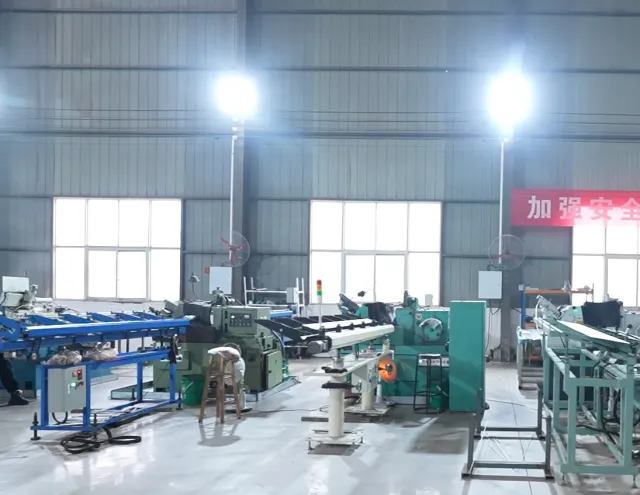
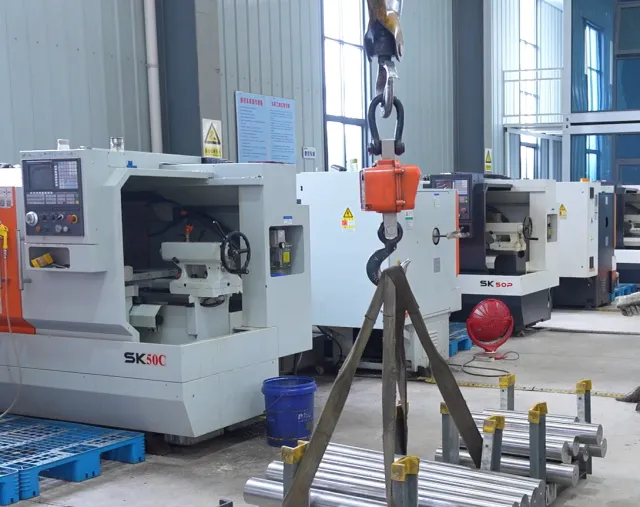
For European and American B2B buyers, choosing a reliable manufacturer is more important than low unit price. QYX METAL CO., LTD was founded in 2019 in Baoji “China Titanium Valley”, holding ISO9001, TUV, BV certifications. Our factory has modern workshops, advanced forging and CNC machining equipment, and complete quality‑inspection laboratory. We have experienced R&D engineers with more than 10‑year titanium‑industry background, continuous R&D investment and multiple process patents. We provide OEM, ODM, OBM service covering Aircraft Titanium Material, Titanium Auto Part, Medical Titanium Alloy, Titanium Outdoor Gears and Titanium Forgings product lines. Contact Negan: WhatsApp +86 18791795597, Email: Negan@qyx‑metal.com.
11. Top 5 Concerns of European & American B2B Procurement Managers
European and American B2B purchasers including brand dealers, manufacturing factories and OEM‑ODM manufacturers focus on practical benefits, quality stability and supply reliability when purchasing corrosion‑resistant titanium alloy forging rings. First, international‑standard compliance is primary; buyers require full ASTM, ASME and ISO compliance, complete test reports and certification documents for factory audit and customs clearance, avoiding material‑standard mismatch risk. Second, batch‑to‑batch consistency is critical for mass industrial production; suppliers must guarantee stable material composition, dimension tolerance and mechanical performance for every batch to prevent assembly failure and production shutdown losses. Third, flexible OEM‑ODM customization is core demand; modern industrial equipment has diversified structural requirements for medical, aviation and chemical scenarios. Fourth, delivery lead‑time and stable supply directly influence production scheduling; stable production capacity mitigates long titanium‑product lead‑time and stock‑out risks. Fifth, total‑lifecycle cost‑performance replaces simple low‑price chasing; premium titanium forgings cut replacement and maintenance expenditure and deliver higher comprehensive economic returns for enterprises.
12. New‑Technology R&D and Application Dynamics
With global high‑end manufacturing upgrading toward precision, intelligence and green production, titanium alloy forging‑ring manufacturing technology keeps iterating. During 2025‑2026, near‑net‑shape precision forging technology gains wide adoption across the industry, lowering material waste and lifting dimensional accuracy, realizing energy‑saving efficient production. Modified composite titanium alloy formulations further boost high‑temperature resistance and fatigue performance, expanding application boundaries for new‑energy and nuclear‑industry hardware. Intelligent full‑process non‑destructive inspection becomes standard for top‑tier manufacturers to achieve full‑chain quality traceability. Besides traditional aerospace and chemical sectors, titanium forging rings are expanding into high‑end automotive components, offshore wind‑power facilities and precision medical hardware. QYX METAL maintains continuous R&D investment to iterate production processes and launch customized high‑performance forgings for emerging industrial scenarios.
13. Latest Industry Trend Interpretation
The global titanium forging‑ring industry shows three major trends. First, scenario‑oriented high‑end customization grows fast; general‑spec products cannot satisfy sophisticated downstream manufacturing, and segmented customized products for aerospace, medical, marine and new‑energy fields become main growth drivers. Second, green low‑carbon intelligent production becomes threshold for international trade; titanium processors phase out high‑energy‑consumption workflows and deploy smart forging lines for carbon reduction. Third, Chinese titanium‑valley manufacturers represented by QYX METAL achieve technology breakthroughs, supplying cost‑competitive high‑quality titanium forgings for global markets. Successful suppliers combine large‑batch standardized production together with flexible custom‑order capability to capture global B2B market share.
14. Core Industry Standards for Titanium Forging Rings
- ASTM B381: Main standard for titanium alloy forgings, governing chemical composition, mechanical properties and dimensional requirements.
- AMS 4928: Aerospace‑grade specification for Aircraft Titanium Material and aviation forging components.
- ISO9001: Quality‑management‑system certification for standardized production workflow.
- TUV / BV third‑party inspection: Widely‑accepted certification for European import customs clearance.
All QYX forging‑ring products comply with above standards and support third‑party testing services.
15. FAQ
Q1: What industries use corrosion‑resistant titanium alloy forging rings?
A1: Aerospace, chemical processing, marine engineering, oil & gas, nuclear energy, new‑energy power equipment and high‑end automotive manufacturing.
Q2: Can QYX produce custom‑size titanium forging rings?
A2: Yes. QYX supports OEM / ODM custom production according to drawings or samples, covering Titanium Forgings series including forging rings, blocks and special‑shaped parts.
Q3: What certifications can you provide?
A3: ISO9001, TUV, BV, material test reports, third‑party inspection documents are available for European and American B2B customers.
Q4: How long is the typical lead‑time for custom titanium forging rings?
A4: Lead‑time depends on complexity and order quantity; our sales team will provide accurate schedule upon receiving your technical specifications.
16. Conclusion: Making the Right Choice
In an era where industrial efficiency and reliability are non‑negotiable, Corrosion‑Resistant Titanium Alloy Forging Ring for Industry provide a future‑proof solution. By leveraging the unique properties of Titanium Materials, manufacturers can achieve unparalleled performance, reduce operational costs, and extend the lifespan of critical components. Whether in aerospace, chemical processing, or marine environments, titanium rings forged to precision represent the pinnacle of engineering excellence. Invest in titanium — where strength meets sustainability. As your trusted China‑based manufacturer QYX METAL CO., LTD, we are ready to support your next titanium‑component project.
References
1. Wikipedia. (2024). Titanium alloy for industrial applications. Wikipedia Engineering Materials. Retrieved from Wikipedia.org
2. Harrison, J. (2025). Forging quality control for titanium components. Industrial‑Metals‑Forum Technical Post. Reddit r/metallurgy.
3. Lopez, M. (2025). B2B procurement guide for titanium forgings. Quora Industry Space.
4. Aerospace‑Materials Journal. (2024). Titanium forging specification comparison for AMS & ASTM standards.
Blog Outline & Summary
High‑Click Title (≈60 characters): How to Select Industrial Corrosion‑Resistant Titanium Alloy Forging Rings (2026 Buying Guide)
Article Outline:
- Introduction to Titanium Alloy Rings
- Benefits of Titanium Alloy Rings
- Understanding Different Titanium Alloys
- Factors to Consider When Choosing a Ring
- Comparing Titanium with Other Metals
- Popular Styles and Designs for Industrial Rings
- Sizing and Technical Tolerance Considerations
- Maintenance and Care Tips
- Budgeting for Your Titanium Ring Project
- Where to Buy Quality Titanium Alloy Forging Rings
- Top 5 Concerns of European & American B2B Procurement Managers
- New‑Technology R&D and Application Dynamics
- Latest Industry Trend Interpretation
- Core Industry Standards for Titanium Forging Rings
- FAQ
- Conclusion
- References
Summary: This B2B‑oriented blog serves as a complete buying guide for Corrosion‑Resistant Titanium Alloy Forging Ring for Industry. It explains material properties, alloy grades, selection criteria, comparison with competing metals, maintenance knowledge, industry standards, market trends and procurement pain‑points for European and American factory procurement managers. It introduces QYX METAL’s manufacturing strength, R&D capacity, certification and full‑series titanium‑product portfolio including Titanium Forgings, Aircraft Titanium Material, Medical Titanium Alloy, Titanium Auto Part etc, with internal links to product pages, product images and reference citations to improve SEO value for independent‑site blog.