Introduction to Titanium Foil: A Game‑Changer in Materials
As global advanced manufacturing pursues components that survive extreme heat, corrosive chemicals and strict lightweight requirements, Titanium Foil emerges as one of the most transformative Titanium Materials available for B2B industrial buyers. Traditional metal foils including stainless steel, aluminum and nickel alloys often fail in harsh operating conditions, driving OEM manufacturers and industrial distributors to seek higher‑performance alternatives. Located in Baoji, known as “China Titanium Valley”, QYX METAL CO., LTD manufactures premium high‑temperature and corrosion‑resistant titanium foil for worldwide clients. Our full‑range product portfolio includes Titanium Forgings, Titanium Fittings and Titanium Block, supporting one‑stop sourcing for complex industrial titanium projects.
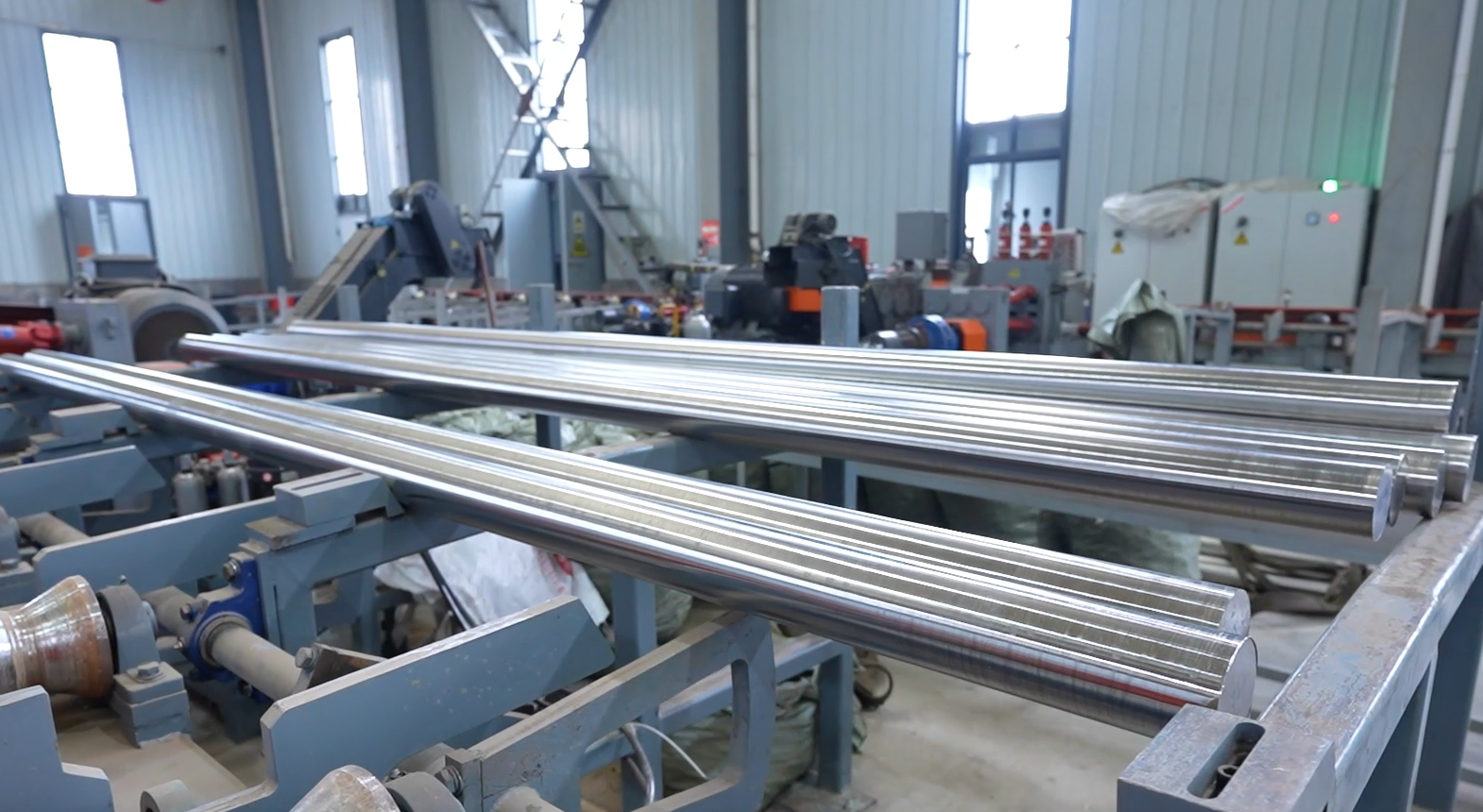
The Unique Properties of Titanium Foil
QYX premium titanium foil is produced from high‑purity pure titanium and titanium‑alloy feedstock, refined with multi‑stage impurity‑removal and optimized rolling‑annealing workflows. It outperforms conventional thin metal materials with four core competitive advantages.
Core Performance Attributes
- Outstanding High‑Temperature Resistance: Retains mechanical integrity up to 600°C (alloy‑dependent), resisting oxidation and permanent deformation for furnace linings, heat exchangers and aerospace parts.
- Superior Corrosion Resistance: Resists degradation by strong acids, alkalis, brine and marine environments; far more durable than stainless steel under corrosive chemical media, lowering equipment maintenance frequency.
- Lightweight & High Specific Strength: Density of only 4.51g/cm³ versus 7.85g/cm³ for steel. This property makes it a critical Titanium Auto Part and Aircraft Titanium Material for weight‑sensitive applications.
- Excellent Processability & Customization: Good ductility supports cutting, stamping, bending and welding. Thickness is customizable from 0.01mm to 0.5mm. Medical‑grade variants deliver reliable biocompatibility for Medical Titanium Alloy component production.
Manufacturing Process: From Ore to Indestructible Foil
Producing defect‑free premium titanium foil demands strict process control across every production phase. QYX METAL runs a closed‑loop production system from raw‑material purification to finished‑product inspection.
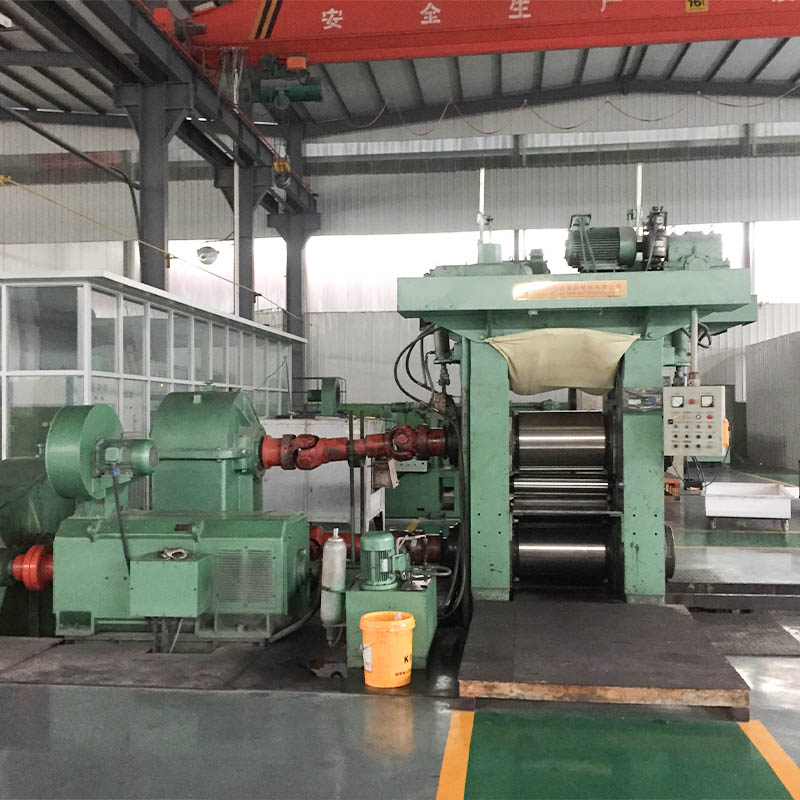
- Raw‑Material Purification: High‑grade titanium ore and sponge titanium go through multiple smelting cycles to eliminate metallic and non‑metallic impurities.
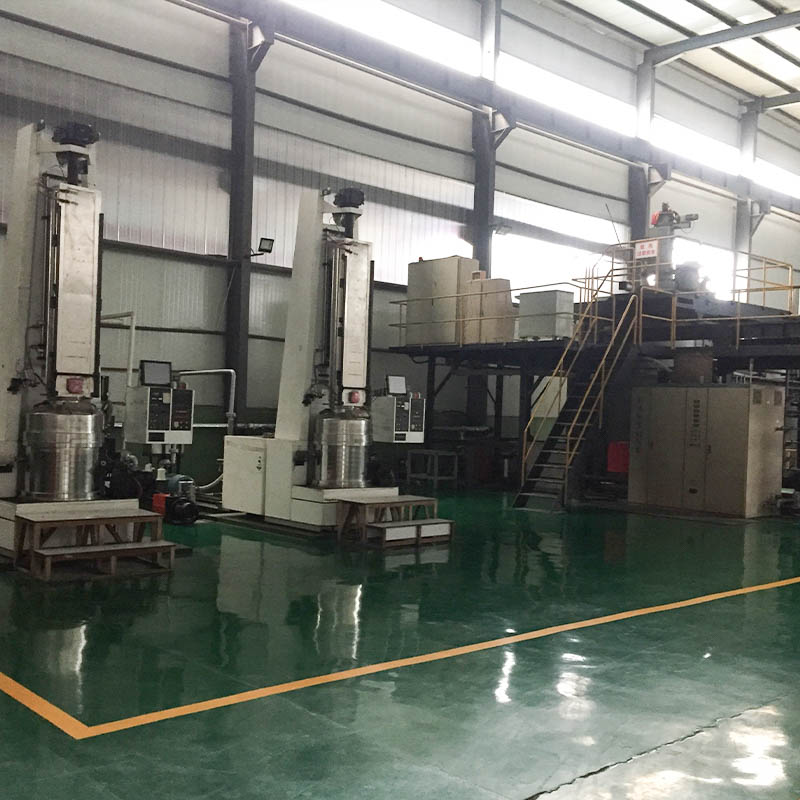
- Ingot Forging & Pre‑Processing: Cast ingots are hot‑worked to homogenize grain structure, in‑house together with our Titanium Forgings production workflow.
- Multi‑Pass Precision Rolling: Heavy rolling mills gradually reduce material thickness to target foil dimensions, ensuring flat surfaces free of burrs or cracks.
- Controlled Annealing: Heat treatment removes internal residual stress and improves ductility for downstream stamping and forming operations.
- Surface Passivation & Finishing: Optimized surface treatment reinforces the natural anti‑corrosion passive oxide layer on titanium foil.
- Full‑Scope Quality Testing: Chemical composition analysis, high‑temperature testing, corrosion testing and mechanical‑strength verification are completed for every production batch.
- Moisture‑Proof Export‑Grade Packaging: Products are sealed for safe intercontinental shipping to global B2B customers.
Applications Across Industries: Aerospace, Automotive, and More
Thanks to balanced high‑temperature performance, corrosion resistance and low weight, QYX titanium foil serves mission‑critical use‑cases across diverse industrial verticals.
- Aerospace: Thermal insulation layers, auxiliary engine shims and spacecraft shielding components as reliable Aircraft Titanium Material.
- Chemical & Petrochemical: Liner material for reaction vessels, heat‑exchanger components and corrosion‑resistant sealing parts.
- Automotive: Turbocharger heat shields and exhaust‑system protective layers as high‑performance Titanium Auto Part raw material for high‑performance vehicles.
- Medical: Thin auxiliary parts for surgical instruments and implant accessories built from biocompatible Medical Titanium Alloy grade titanium foil.
- Renewable Energy: Solar thermal hardware, geothermal extraction equipment and auxiliary components for nuclear‑power facilities operating under harsh environmental conditions.
B2B Procurement Focus: Five Key Concerns for Overseas Buyers
European and American B2B purchasing managers, including OEM operators, large/small manufacturers and industrial distributors, evaluate titanium‑foil suppliers around five critical criteria. First, batch‑to‑batch consistency and material traceability; buyers require complete material test reports (MTR) confirming chemical composition and mechanical performance to avoid high downstream scrap rates. Second, flexible customization capacity: support for custom alloy grades, variable thickness, and small‑batch trial orders before mass production is highly valued. Third, verified supplier qualifications, such as ISO9001, TUV and BV certifications, alongside well‑equipped manufacturing facilities to mitigate supply‑chain disruption risks. Fourth, predictable lead‑times and stable monthly output, which are essential for long‑term contract manufacturing and just‑in‑time production schedules. Fifth, comprehensive technical after‑sales support, including application consulting, processing‑parameter guidance and rapid quality‑issue resolution. As a manufacturer based in China Titanium Valley, QYX METAL addresses all these requirements, delivering complete documentation and dedicated support for cross‑border B2B cooperation.
Latest Industry Trends & New R&D Application Updates
The global Titanium Materials market is undergoing fast‑paced transformation. Demand for thin‑gauge high‑performance titanium products is surging driven by aerospace expansion, new‑energy build‑out and rising medical‑device manufacturing activity. Buyers are shifting from purchasing only standard stock materials toward full custom OEM material solutions, pushing manufacturers to expand flexible production capacity. Carbon‑neutrality regulations are also forcing factories to adopt low‑energy rolling and annealing equipment to cut manufacturing carbon footprints. On the R&D front, newly optimized titanium‑foil alloy formulations raise sustained operating temperature thresholds; ceramic‑titanium composite foil is completing mass‑production validation for ultra‑corrosive chemical environments. Ultra‑thin 0.005‑mm titanium foil is being trialed for semiconductor and micro‑electronics components. QYX METAL maintains continuous R&D investment and collaborates with metallurgical research institutions to iterate foil formulas and processing technologies for emerging‑industry customer requirements.
Product Usage, Operation and Maintenance Guidelines
Recommended Operating Steps
- Inspect delivered titanium foil alongside batch MTR documents to verify thickness, alloy grade and surface quality before processing.
- Use dedicated titanium‑processing cutting and stamping tools; avoid sharp ferrous‑metal tools that can scratch and damage the protective passive surface film.
- Strictly regulate temperature during welding or hot forming to prevent localized over‑oxidation.
- Select the matching alloy grade according to working‑environment conditions (high‑temperature, strong‑corrosion or medical‑grade requirements).
Storage & Daily Maintenance Tips
- Store foil rolls indoors within dry, ventilated warehouses; isolate from salt spray, acid fumes and high‑humidity conditions.
- Retain original protective packaging; prevent direct contact with dissimilar metals such as iron or copper to avoid galvanic‑corrosion risks.
- Clean surface contaminants only with neutral cleaning agents; never deploy strong acid or alkaline cleaners.
- Store foil flat under low‑pressure stacking to prevent permanent creases and deformation.
International Industry Standards & Safety Specifications
Global B2B titanium‑foil procurement relies on widely‑accepted international standards. ASTM B265 defines specifications for pure titanium and titanium‑alloy strip and foil, governing chemical composition, mechanical performance and dimensional tolerances for industrial‑grade foil. ASTM B381 sets inspection rules for Titanium Forgings and matching titanium structural components. ISO 5832‑2 covers purity and biocompatibility demands for medical‑grade titanium used in implants and surgical hardware. QYX METAL implements production and testing aligned to these standards. Our facility holds ISO9001, TUV and BV third‑party certifications, and every shipment is accompanied by complete MTR test reports to satisfy overseas project‑audit and customs‑clearance requirements.
QYX METAL Factory Scale & R&D Innovation Strength
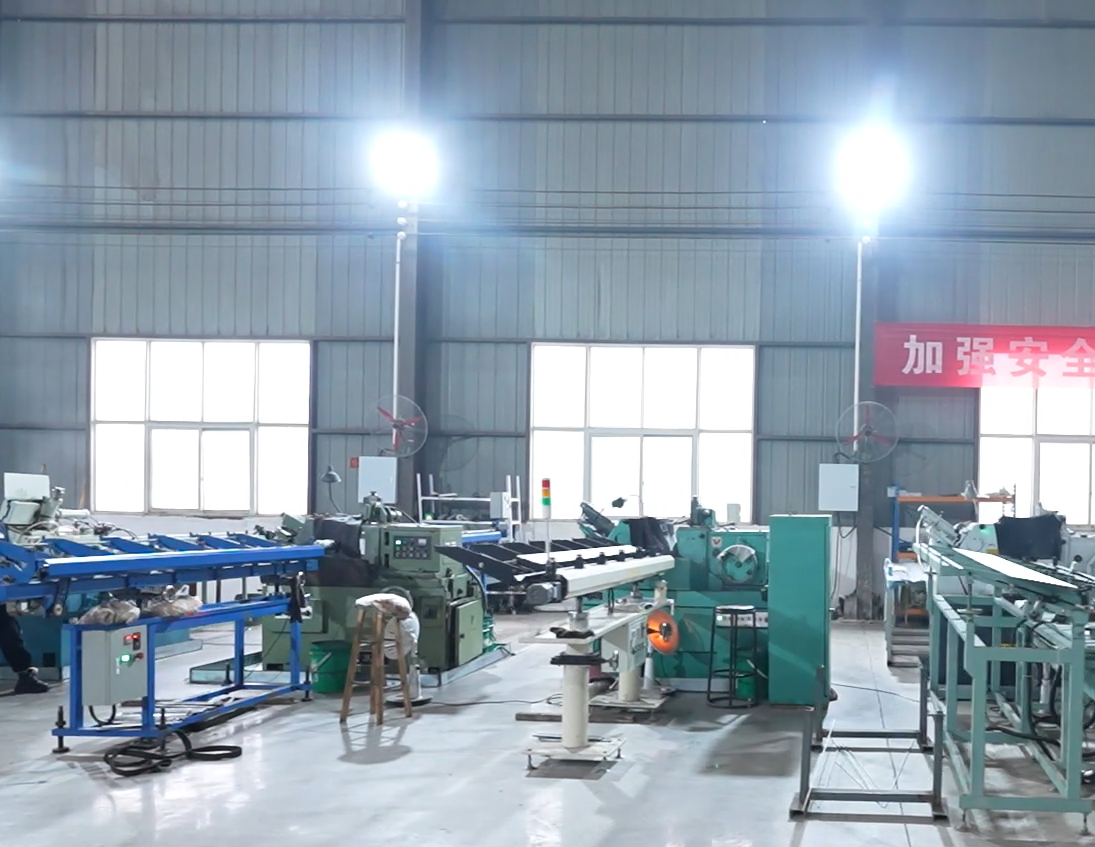
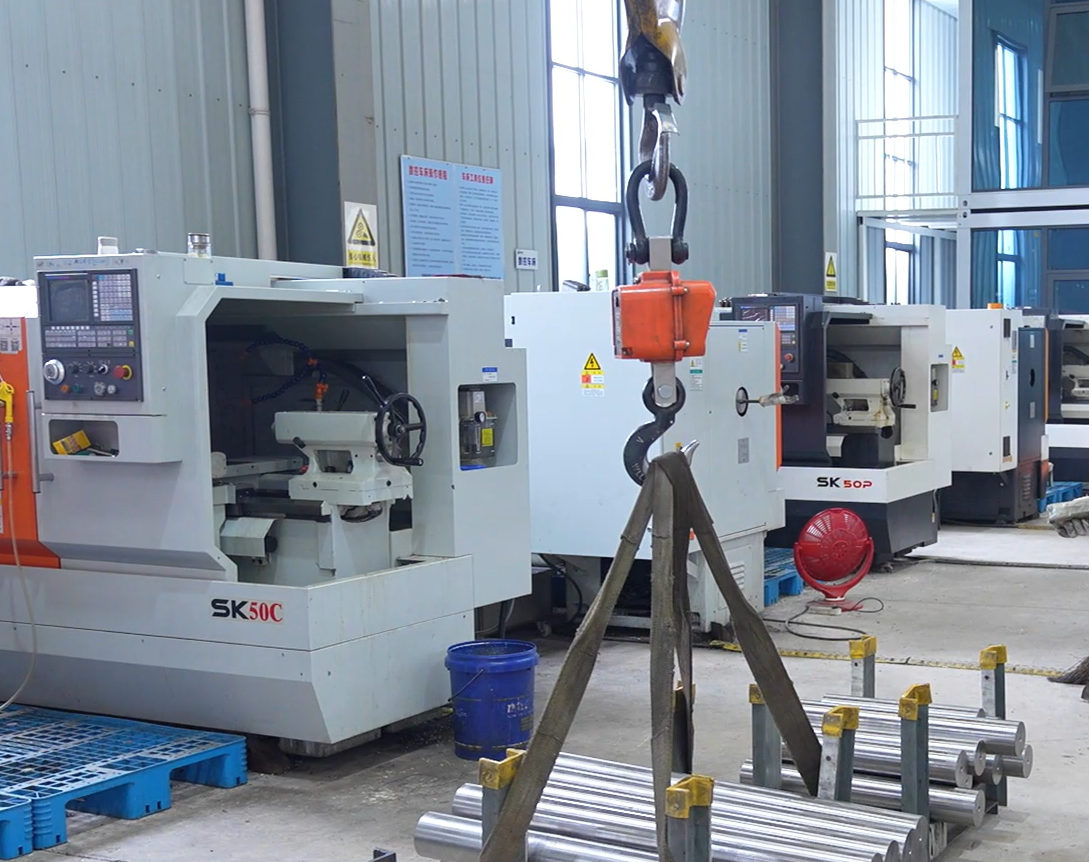
QYX METAL CO., LTD is located in Baoji High‑Tech Zone, within China’s core “Titanium Valley” industrial cluster. Our facility houses modern production workshops equipped with heavy‑duty rolling mills, constant‑temperature annealing furnaces, CNC machining centers and dedicated material‑performance laboratories. We can complete the full production workflow from raw‑material purification through precision processing to finished‑product inspection. Our broad product catalog includes Titanium Materials, Titanium Fittings, Titanium Forgings, Medical titanium alloy, Titanium Auto Part and Aircraft Titanium Material, supporting full OEM and ODM customization for international clients.
Our in‑house R&D team is composed of senior metallurgical engineers. We allocate sustained annual investment for process innovation and hold multiple proprietary processing patents for ultra‑thin titanium‑foil manufacturing and corrosion‑resistance optimization. Our team works jointly with downstream OEM partners on joint material‑validation testing for new‑industry projects, iterating upgraded titanium‑material products for aerospace, medical and renewable‑energy sectors.
Environmental Impact: Sustainability and Recycling of Titanium Foil
Titanium is a highly recyclable green industrial metal. QYX METAL runs structured scrap‑recycling workflows: titanium‑foil trimmings and production waste are collected, sorted and sent for remelting to lower raw‑material consumption and waste output. We are continuously upgrading production equipment for energy‑saving rolling and intelligent annealing workflows, cutting carbon emissions across manufacturing operations. Sustainable titanium sourcing helps global manufacturers lower their supply‑chain carbon footprint while accessing high‑performance industrial materials.
Comparing Titanium Foil with Traditional Materials
Performance Comparison Snapshot
- Titanium Foil: High‑temp resistance up to 600°C, excellent corrosion resistance, low density, high specific strength; higher unit material cost, fully customizable alloy grades.
- Stainless‑Steel Foil: Limited corrosion resistance in strong acid/alkali environments, higher density, inferior high‑temperature stability; low material cost.
- Aluminum Foil: Lightweight but poor high‑temperature performance, susceptible to chemical corrosion; very low unit cost for general‑purpose use.
- Nickel‑Based Alloy Foil: Good heat and corrosion resistance but very high density and high raw‑material price.
Titanium foil delivers superior total cost‑of‑ownership by extending component service life and reducing equipment downtime and maintenance expenses, even though initial material pricing is higher than stainless steel or aluminum alternatives.
Innovations and Future Developments in Titanium Technology
Multiple exciting innovations are reshaping titanium‑foil applications. Composite coated titanium foil, ultra‑thin precision‑grade foil for semiconductors, and additively‑manufactured titanium‑foil hybrid components are moving from R&D trials toward commercial adoption. Combined with complementary high‑purity products such as Titanium Disc & Titanium Target, advanced titanium foil will unlock new opportunities within hypersonic aerospace equipment, next‑gen wearable medical implants, hydrogen‑energy infrastructure and micro‑electronics manufacturing. QYX METAL will keep investing in process upgrades to bring these cutting‑edge material solutions to global B2B partners.
Challenges in Widespread Adoption of Titanium Foil
Despite outstanding material performance, wider market adoption faces several obstacles. Higher raw‑material and processing costs compared to conventional metal foils remain the primary barrier for cost‑sensitive mass‑market projects. Limited public engineering knowledge of titanium‑foil processing parameters can create barriers for design teams new to working with thin titanium stock. Lead‑times for highly customized ultra‑thin or special‑alloy foil can be longer than for off‑the‑shelf steel foils. Working with an experienced manufacturer like QYX METAL mitigates these pain‑points via technical consulting, prototype trial‑order support and transparent production scheduling for custom projects.
Case Studies: Success Stories Using Titanium Foil
- Aerospace Component Project: A European aviation OEM selected QYX titanium foil as thermal‑insulation shim material paired with our Titanium Forgings structural parts. The material reduced component weight while maintaining stable performance under cyclic high‑altitude temperature shifts.
- Chemical‑Plant Heat‑Exchanger Retrofit: A North‑American petrochemical manufacturer replaced stainless‑steel foils with QYX corrosion‑resistant titanium foil inside heat‑exchanger assemblies. Equipment service life was significantly extended and planned maintenance cycles were lengthened.
- High‑Performance Automotive Project: An EU performance‑car OEM deployed QYX titanium foil for turbocharger heat‑shield layers. Weight was reduced and thermal‑fatigue durability improved versus previous steel‑foil solutions.
FAQ for Global B2B Purchasing Managers
Q1: Can you support small‑batch trial orders for prototype validation?
A1: Yes. QYX METAL supports flexible order modes, including small‑batch prototype trial runs and large‑volume mass‑production orders for OEM customers.
Q2: What thickness specifications are available for titanium foil?
A2: Standard thickness ranges from 0.01mm‑0.5mm. Custom ultra‑thin thickness and special‑alloy grades can be produced per project requirements.
Q3: Can you supply full certification and MTR material‑test reports for customs clearance and audits?
A3: Yes. ISO9001, TUV, BV certification copies and batch‑specific MTR documents including chemical‑composition and mechanical‑test data are provided for each shipment.
Q4: What other titanium‑series products can you supply alongside titanium foil?
A4: We offer complete titanium‑material product lines: Titanium Forgings, Titanium Fittings, Titanium Block, Titanium Disc & Titanium Target, Medical Titanium Alloy and Titanium Auto Part components for one‑stop procurement.
Q5: What are typical production lead‑times?
A5: In‑stock standard titanium foil ships within 5‑10 working days. Custom‑specification lead‑time depends on technical complexity and order quantity, our sales team will confirm timelines for your project.
Conclusion: Embracing the Future with Revolutionary Materials
Titanium Foil stands as revolutionary indestructible material reshaping modern industrial manufacturing. Its unmatched combination of high‑temperature stability, extreme corrosion resistance and lightweight high‑strength properties delivers tangible value for aerospace, chemical processing, automotive, medical and renewable‑energy industries. As a professional Chinese manufacturer specialized in premium Titanium Materials, QYX METAL CO., LTD delivers reliable custom‑made titanium foil alongside a full portfolio of complementary titanium products for global B2B buyers. If you have technical questions or procurement requirements, please reach our overseas business team via WhatsApp or email: Negan@qyx‑metal.com. Follow our social‑media accounts: Facebook, YouTube, Instagram, LinkedIn.
References
- Wikipedia Contributors. (2026, March). Titanium and Titanium Alloys Industrial‑Grade Performance Overview. Wikipedia The Free Encyclopedia.
- Miller D. (2026‑04‑22). Thin‑Gauge Titanium Foil for Extreme‑Environment Industrial Applications. Reddit r/MaterialsScience Community.
- Peterson S. (2026‑05‑10). B2B Sourcing Best Practices for Premium Titanium Raw Materials. Quora Global Manufacturing Topic.
- International Titanium Association. (2026). Global Titanium Material Market Report 2026‑2031, Industry Technical Forum Publication.