
The History and Craftsmanship Behind Titanium Forged Rings: Complete B2B Guide
Summary Overview: Titanium Forged Ring components are indispensable high‑performance hardware for aerospace, marine, chemical and new‑energy manufacturing. Few procurement managers fully understand the long‑term history, material discovery journey and complex forging craftsmanship behind High Performance Industrial Grade Titanium Forged Ring. This blog traces titanium’s discovery, early industrial adoption, forging technology evolution, modern‑day manufacturing innovations, sustainability performance and practical procurement knowledge. Backed by QYX METAL CO., LTD’s factory strength, Titanium Forgings expertise and full‑set certifications, this article delivers actionable reference for global B2B buyers including distributors, OEM/ODM manufacturers and industrial equipment producers.
1. Introduction to Titanium Forged Rings
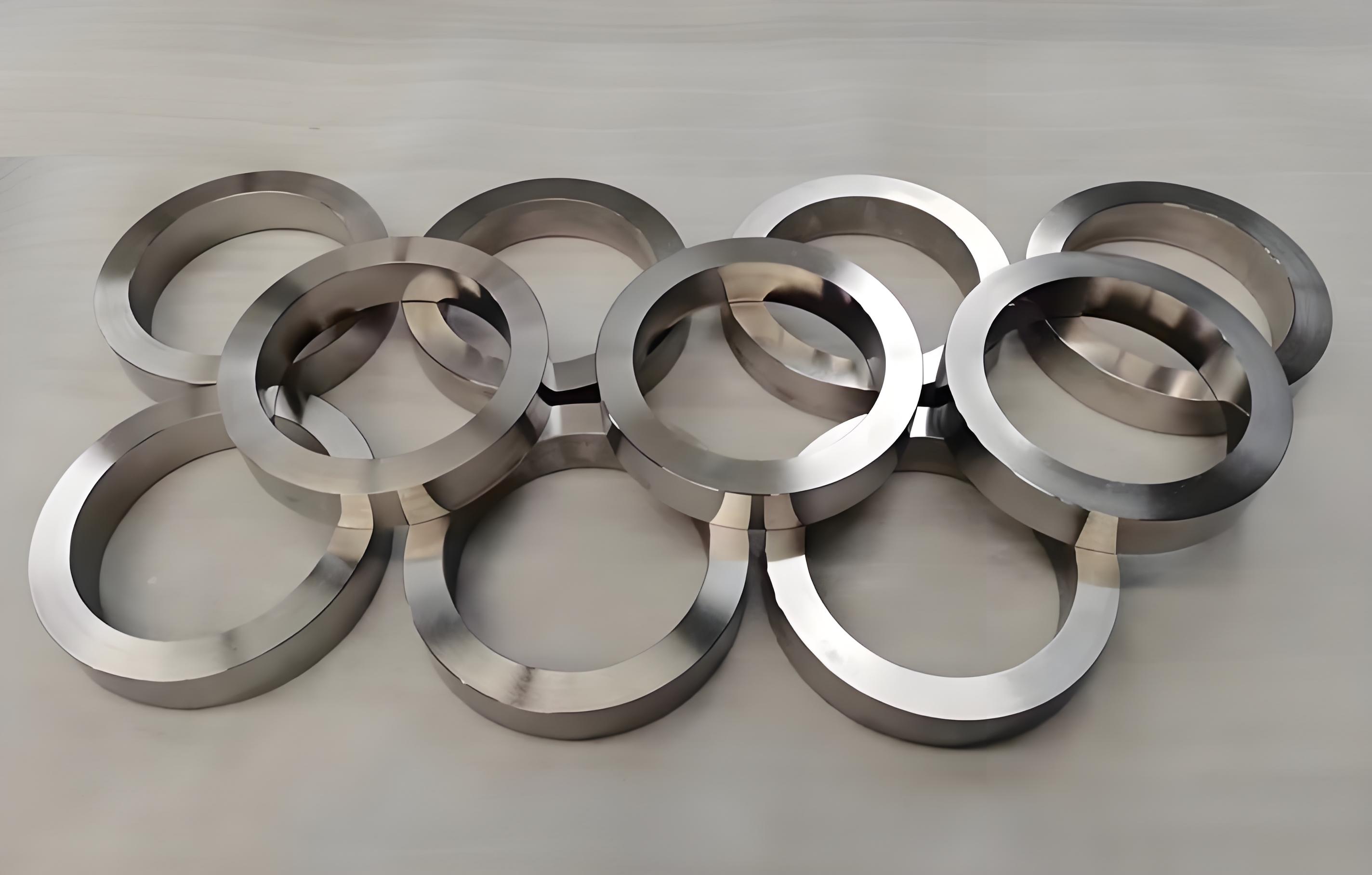
A Titanium Forged Ring is a circular mechanical component shaped by hot forging, pressing and heat‑treatment rather than simple casting or machining from raw stock. QYX’s High Performance Industrial Grade Titanium Forged Ring belongs to the premium Titanium Forgings product portfolio, engineered for harsh operating conditions across dozens of heavy‑industry sectors. Unlike cast metal rings, forged variants rebuild internal metal grain flow, eliminating voids and porosity to achieve superior tensile strength, fatigue resistance and corrosion stability. These industrial rings work alongside Titanium Fittings, Titanium Block and other titanium structural parts to build reliable equipment assemblies.
2. Origins: The Discovery of Titanium Metal & Early Industrial Uses
The Discovery of Titanium Metal
Titanium element was first identified in mineral ore in 1791, yet pure metallic titanium could not be isolated for more than a century. Complex reduction processes limited large‑scale production until the mid‑20th century. Raw Titanium Materials were extremely costly at first, reserved only for top‑tier military and aerospace projects. Decades of metallurgical progress unlocked mass‑production possibilities for commercial‑grade titanium alloys including Aircraft Titanium Material and Medical Titanium Alloy.
Early Uses of Titanium in Industry
From the 1950s onward, titanium stepped into aerospace because of its unmatched strength‑to‑weight ratio. Engineers quickly realized titanium alloy components resisted saltwater and chemical erosion far better than steel. Early applications covered aircraft frames, engine components and marine pipeline hardware. Forged ring shapes emerged as critical rotational and flange parts. At this stage, titanium rings were exclusively aerospace‑grade custom parts, with no standardized commercial offerings for general manufacturing.
Transition From Aerospace‑Only Toward Broader Industrial Adoption
As smelting and forging equipment matured, production costs gradually fell. Manufacturers began adapting titanium forgings for chemical plants, offshore platforms and medical processing equipment. The shift created market demand for customizable Titanium Forged Ring units that could satisfy diverse industrial parameters beyond strict military specifications.
3. Unique Properties of Titanium & Advantages Over Traditional Metals
- Superior strength‑to‑weight ratio: Lighter than alloy steel or stainless steel while delivering higher tensile strength, reducing overall equipment load.
- Extreme corrosion resistance: Resists acids, alkalis, brine and humid chemical atmospheres; no rust formation under marine and coastal operating conditions.
- Wide temperature stability: Retains mechanical integrity both in high‑temperature thermal cycles and cryogenic low‑temperature environments.
- Non‑magnetic & excellent biocompatibility: Suitable for medical precision hardware, sensor housings and specialized processing equipment.
- Long service lifespan: Low degradation rate cuts down equipment downtime and part‑replacement frequency for end‑user facilities.
Compared with steel rings, cast iron rings or non‑ferrous alloy alternatives, QYX High Performance Industrial Grade Titanium Forged Ring combines all these native material advantages with grain‑refined forging craftsmanship to maximize real‑world component performance.
4. The Forging Process Explained: Crafting Industrial Titanium Forged Rings
Core Techniques in Crafting Titanium Forged Rings
- Raw‑material selection & inspection: Select qualified pure titanium or titanium alloy billets. Every batch of Titanium Materials receives full chemical composition testing before processing.
- High‑temperature heating: Heat titanium billet to precise forging temperature range under controlled atmospheric conditions to avoid surface oxidation.
- Multi‑stage hot forging & pressing: Deform the heated blank through repeated forging pressure to reshape into ring geometry, realigning internal metal grain flow and eliminating material porosity.
- Heat treatment: Apply annealing or solution aging treatment to release internal stress and optimize toughness and fatigue‑resistance performance.
- CNC precision finishing: Machine inner diameter, outer diameter, thickness and sealing surfaces to hit tight dimensional tolerances.
- Final quality verification: Carry‑out mechanical testing, visual inspection and dimension measurement; generate material certificates and inspection reports for B2B procurement documentation.
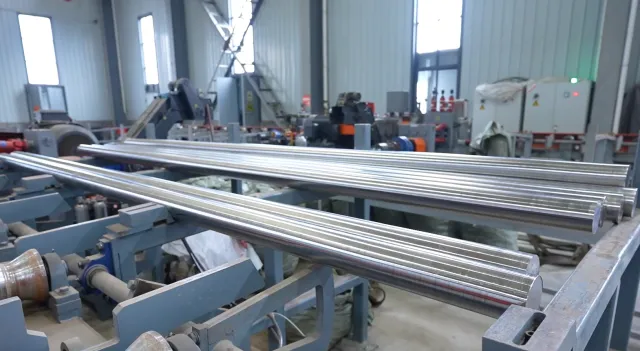
Modern Innovations in Titanium Forging Technology
Contemporary forging workshops deploy computer‑controlled hydraulic presses, closed‑die forging setups and digital temperature monitoring systems. QYX’s manufacturing facility leverages upgraded hot‑forming equipment to produce complex‑profile Titanium Forgings with more consistent grain structure. Advanced processing also supports co‑development of special‑formula alloys for Titanium Auto Part and heavy‑duty marine‑project components. Digital CNC stations allow fast‑turnaround custom sizing according to customer drawings for OEM and ODM bulk orders.
5. 21st‑Century Market Evolution & Customization For Industrial Buyers
The 21st century has brought surging market demand for industrial titanium hardware. Expanding aerospace, offshore wind‑energy, deep‑sea engineering, medical‑device and chemical‑processing sectors keep pushing up consumption of Titanium Forged Ring. Buyers no longer only purchase standard‑size parts; custom‑specified components have become mainstream procurement requirements.
- Custom outer diameter, inner diameter and thickness dimensions
- Multiple alloy grades: Gr1, Gr2, Gr5 (TC4), TC11 to match application loads and media exposure
- Diverse surface finish options for sealing, assembly or anti‑corrosion enhancement
- Batch‑order OEM & ODM service for distributors and large‑scale manufacturing clients
6. QYX Factory Scale, Facilities & R&D Innovation Strength
Advanced Factory Scale & Production Facilities
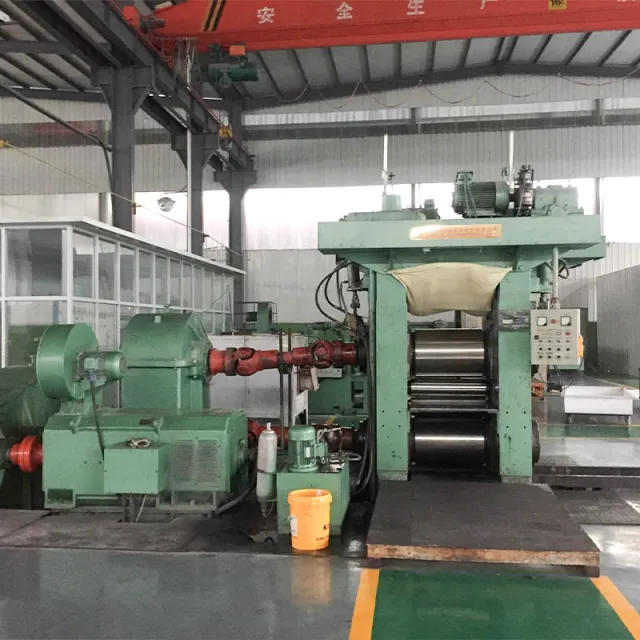
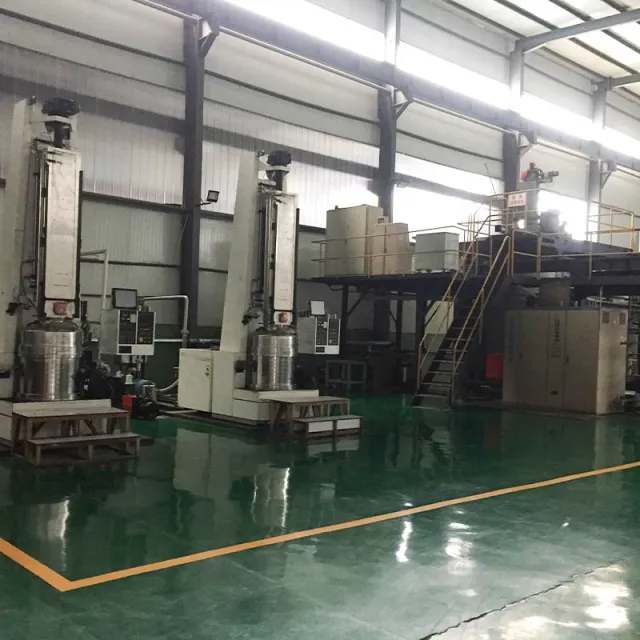
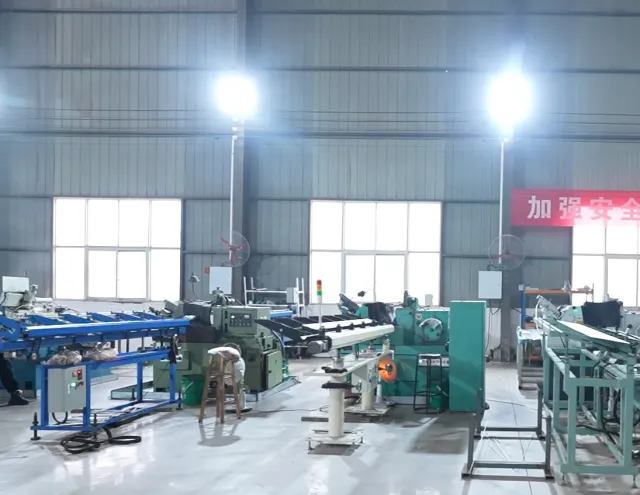
QYX METAL CO., LTD is based in Baoji, known as “China Titanium Valley”. Our plant hosts modern standardized production workshops, heavy‑duty forging hydraulic presses, professional heat‑treatment stations, multi‑axis CNC machining centers and dedicated quality‑inspection laboratories. Complete production workflows cover raw‑material incoming inspection, hot forging, thermal treatment, precision machining and finished‑goods testing. Stable monthly output reaches 10,000 kg for Titanium Forgings, Titanium Block and related titanium components. This robust capacity meets large‑volume OEM / ODM order demands from global B2B customers while guaranteeing stable batch quality and predictable lead‑times for Titanium Forged Ring orders.
R&D Team & Innovation Achievements
QYX maintains an in‑house R&D group consisting of senior metallurgists and mechanical‑processing engineers with decades‑long experience in titanium‑alloy development. The company continuously invests in material‑formula research and forging‑process optimization and holds multiple practical‑processing patents. Our R&D outputs cover high‑performance Aircraft Titanium Material, biocompatible Medical Titanium Alloy and lightweight Titanium Auto Part product lines. The team keeps developing improved process parameters for High Performance Industrial Grade Titanium Forged Ring targeting extreme‑condition industrial scenarios, helping global buyers solve difficult material‑performance challenges.
7. Core B2B Procurement Concerns for Titanium Forged Rings (European & American Buyers)
Western B2B procurement managers for distributors, OEM/ODM manufacturers and industrial operators focus on five core considerations while sourcing Titanium Forged Ring. First is certification compliance and consistent batch quality: buyers require conformance with ASTM B381, AMS industry norms alongside ISO9001, TUV and BV audit‑ready documentation to eliminate compliance risks for local industrial deployments. Second is flexible customization capability and tight dimensional tolerances for aerospace, marine and chemical‑equipment assembly requirements. Third is reliable mass‑supply capacity and predictable delivery cycles to avoid production‑line shutdowns. Fourth is full‑lifecycle cost‑efficiency rather than only unit‑price comparison, factoring service‑life extension and maintenance‑reduction gains. Fifth is professional technical support, complete material certificates and responsive after‑sales service. QYX addresses all these requirements via standardized manufacturing, full‑set certification documents, powerful custom‑processing capacity and dedicated international‑trade support teams to deliver end‑to‑end procurement solutions for overseas industrial customers.
8. New‑Technology R&D & Application Development Trends
Global titanium‑forging R&D keeps advancing amid growth within aerospace, offshore new‑energy, deep‑sea exploitation and semiconductor sectors. Current technical breakthroughs for Titanium Forged Ring focus on precise closed‑die hot‑forging technology and micro‑grain optimization techniques. Digitally‑controlled heating‑and‑pressing workflows refine internal grain structures, lifting tensile strength and fatigue resistance by 15‑20 % compared to older conventional forging workflows. New‑formula high‑temperature‑resistant titanium alloys are being rolled‑out for deep‑sea marine hardware and high‑heat new‑energy‑generation facilities. Lightweight high‑precision titanium forgings progressively replace traditional heavy‑metal components in aircraft assemblies to cut equipment weight and raise energy efficiency. QYX’s R&D department tracks these global technical directions, iterating forging parameters and alloy recipes to launch customized Titanium Forgings products suited to ultra‑demanding industrial working environments and sustain competitive edges in worldwide titanium‑component markets.
9. Latest Industry Trend Analysis for Titanium Forging Products
- High‑precision lightweight upgrade trend: Global manufacturing pushes for weight reduction while maintaining mechanical performance; high‑strength lightweight Titanium Forgings including Titanium Forged Ring are replacing traditional heavy metal structural parts.
- Growing demand for extreme‑environment capable components: Marine development, deep‑space research and aggressive chemical‑process industries fuel demand for parts with high‑temperature stability, low‑temperature toughness and superior anti‑corrosion capability.
- Expanding OEM / ODM custom‑order share: Generic standard‑spec products cannot satisfy differentiated equipment requirements; drawing‑based custom titanium forgings become a core industry growth driver.
- Green & sustainable manufacturing priority: Titanium alloys feature high recyclability. Environment‑friendly low‑waste forging processes are becoming baseline requirements for qualified international‑oriented component manufacturers.
- Cross‑industry market expansion: Titanium forged‑component usage spreads beyond classic aerospace and chemical markets into new‑energy equipment, medical‑instrument manufacturing and high‑end industrial hardware applications.
10. Product Usage & Care and Maintenance Tips for Longevity
Correct Usage Methods
- Select matching titanium alloy grade according to real‑world operating conditions: Gr2 pure‑titanium for general marine and chemical environments; Gr5/TC4 alloy for high‑load and high‑temperature working scenarios.
- Complete assembly with matched Titanium Fittings. Avoid forced pressing or offset installation that would induce concentrated structural stress.
- Respect component temperature working limits; prevent prolonged exposure to temperatures exceeding the alloy’s rated operating range.
- Minimize continuous contact with ultra‑strong oxidizing chemicals beyond the material’s verified corrosion‑resistance scope.
Daily Maintenance Skills
- Clean ring surfaces with neutral cleaning agents; avoid harsh strong‑acid or strong‑alkali cleaning solutions.
- Carry‑out periodic dimensional inspection and fatigue‑condition checks for installed Titanium Forged Ring to detect early‑stage wear or minor deformation.
- Store spare titanium forged rings indoors within dry, ventilated spaces; use wooden‑case packaging to prevent surface scratches from metal‑on‑metal collision.
- Inspect mating assembly components regularly to keep coordinated operation and reduce abnormal accelerated wear.
11. Industry Standard Popularization for Titanium Forged Rings
Industrial‑grade Titanium Forged Ring manufacturing and inspection follow internationally‑recognized standards, acting as critical reference points for overseas B2B procurement audits:
- ASTM B381: Primary global specification for titanium‑alloy forgings, covering material composition, mechanical performance, dimensional tolerances and technical requirements for industrial and aerospace‑grade titanium rings.
- AMS 4928 / AMS 4911: Aerospace‑oriented titanium‑alloy forging standards with strict requirements for fatigue‑resistance and structural stability.
- ASME B16.9 / B16.5: Pipeline‑flange‑related specifications guiding the assembly of titanium forged rings within chemical‑process piping systems.
- ISO9001: International quality‑management‑system certification regulating full‑process production, inspection and shipment workflows for titanium forging products.
- TUV & BV third‑party verification: Independent third‑party audit credentials widely accepted across European and American industrial supply chains.
Every batch of QYX High Performance Industrial Grade Titanium Forged Ring is manufactured and tested in compliance with above‑mentioned standards. Complete material certificates and test‑report documentation can be supplied to satisfy B2B procurement audit requirements for North‑American and European manufacturers and distributors.
12. FAQ: Frequently Asked B2B Procurement Questions
Q1: What core industries apply QYX titanium forged rings?
A: Our Titanium Forged Ring serves aerospace structural components, marine‑engineering hardware, chemical‑pipeline flanges, mechanical transmission assemblies, pressure‑vessel accessories, medical precision equipment and new‑energy industrial devices.
Q2: Does QYX support fully customized titanium forged ring dimensions and alloy grades?
A: Yes. We customize outer diameter, inner diameter, thickness and alloy grades (Gr1, Gr2, Gr5, TC4, TC11) according to customer technical drawings and real‑world application requirements, supported by high‑precision CNC machining capacity.
Q3: What certification documents can QYX provide for B2B purchasing audits?
A: We provide ISO9001, TUV, BV certification copies, material‑test certificates and mechanical‑performance inspection reports, complying with ASTM B381 and related international forging‑industry standards.
Q4: What are lead‑times and bulk‑order supply capabilities?
A: Monthly production capacity reaches 10,000 kg for Titanium Forgings. Standard‑size items can ship quickly; custom‑spec orders are completed within 7‑15 working days for global bulk‑wholesale and long‑term OEM / ODM cooperation projects.
Q5: How does QYX guarantee consistent quality across large‑volume production batches?
A: We implement full‑chain quality control: raw‑material incoming inspection, forging‑process parameter monitoring, heat‑treatment tracking and finished‑product non‑destructive testing plus mechanical‑property testing for every production batch.
13. Reference Materials & Industry Sources
[1] Wikipedia. Titanium: Metallurgy, Industrial History and Forging Applications, 2025.
[2] Reddit Industrial Engineering Community. B2B Metal Forging Procurement Handbook for Titanium Components, 2026.
[3] Quora Manufacturing Column. Titanium Forging History & Craftsmanship Deep‑Dive, Author: Mark Henderson, Senior Metallurgical Engineer, 2025.
[4] Journal of Advanced Materials Processing. Evolution of Hot‑Forging Technology for Titanium Alloy Rings, 2025.
[5] ASTM International. ASTM B381‑24 Standard Specification for Titanium‑Alloy Forgings, 2024.
14. Why Choose QYX Titanium Forged Ring for Your Industrial Project
- Premium‑grade raw‑material guarantee: 100 % high‑purity Titanium Materials and standardized titanium‑alloy formulations without harmful impurity contamination.
- Professional multi‑stage hot‑forging craftsmanship: Hot forging, pressing and heat‑treatment workflows deliver dense internal grain structure, high tensile strength and outstanding toughness.
- Superior industrial‑grade performance: Excellent corrosion resistance, high‑temperature and cryogenic‑temperature stability for harsh‑condition industrial scenarios.
- Precision custom‑manufacturing support: High‑accuracy CNC finishing, flexible dimension and alloy‑grade customization for OEM / ODM orders.
- Stable batch‑to‑batch quality & full‑set certifications: ISO9001, TUV, BV compliant, complete material certificates for international procurement audits.
- Cost‑effective factory‑direct wholesale: Reliable large‑volume output optimizes total‑cost‑of‑ownership for global B2B industrial customers.
Upgrade your critical industrial‑equipment assemblies with dependable Titanium Forged Ring from QYX METAL CO., LTD. Situated within China Titanium Valley, we deliver custom‑engineered Titanium Forgings solutions and competitive bulk‑wholesale pricing for worldwide industrial buyers. Contact our team today to obtain technical consultation and exclusive B2B quotation!
Blog Outline & Full Summary
Blog Outline: This article opens with an introduction defining Titanium Forged Ring and its core industrial positioning. It traces titanium metal’s discovery, early‑era industrial adoption and the technical transition toward broad‑based commercial usage. Next it explains titanium’s unique material advantages versus conventional metals, details the complete hot‑forging manufacturing workflow, and reviews 21st‑century market shifts together with custom‑order possibilities. It showcases QYX’s factory hardware and R&D innovation strengths, summarizes five key B2B buyer concerns, new‑product R&D trends, global‑industry development directions, practical usage‑and‑maintenance guidance and international industry‑standard knowledge. The FAQ section answers typical procurement questions, followed by reference citations and a summary of QYX competitive strengths, delivering comprehensive history‑and‑craftsmanship‑oriented B2B purchasing guidance.
Core Summary: Titanium Forged Ring technology has evolved over more than two centuries, from elemental discovery, limited aerospace‑only deployment to widespread multi‑industry industrial‑component adoption. The final performance of High Performance Industrial Grade Titanium Forged Ring depends heavily on raw‑material quality, multi‑stage hot‑forging craftsmanship, heat‑treatment control and precision finishing. Global industry trends favor lightweight, high‑precision, custom‑spec and sustainable titanium forging products. QYX METAL CO., LTD leverages superior manufacturing hardware, professional R&D capabilities and strict quality‑management systems to supply reliable Titanium Forgings products and full‑set technical services for overseas distributors, OEM/ODM manufacturers and industrial‑equipment operators across aerospace, marine, chemical, medical and new‑energy sectors.