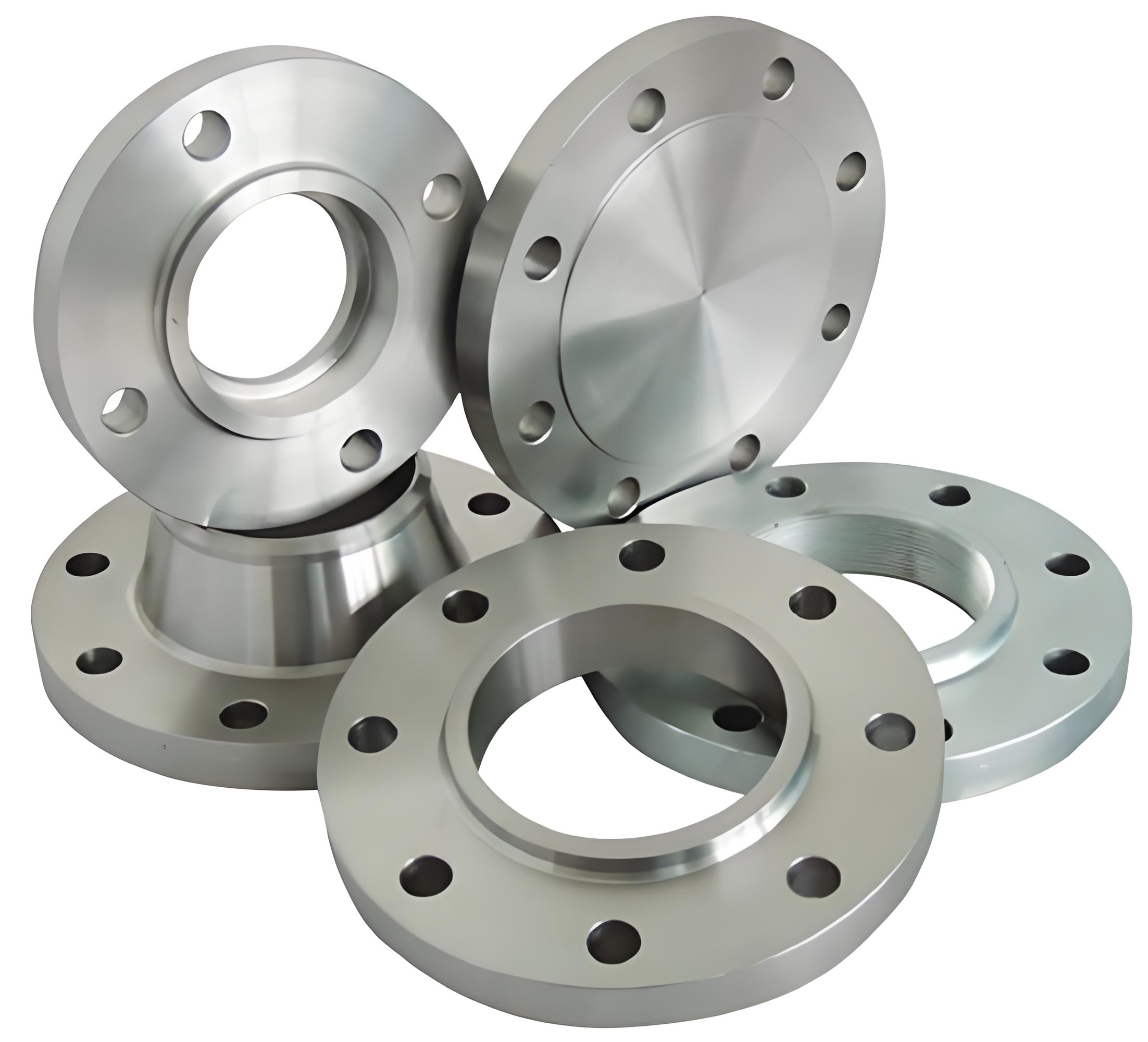
1. Introduction to Titanium Alloy Flanges
Titanium alloy flanges act as vital connecting and sealing components for industrial piping systems and process equipment. As high-performance pipeline connectors, custom titanium alloy flange for all industrial applications are engineered to solve sealing, pressure-bearing and corrosion challenges in extreme operating environments. Different from ordinary steel connectors, these flanges adopt premium Titanium Materials and precision forging plus CNC machining technology.
Located in China Titanium Valley, Baoji, QYX METAL CO., LTD manufactures fully customizable titanium alloy flanges. We supply standard and tailor-made flange types, working closely with global OEM manufacturers, industrial distributors and engineering contractors. Combined with our Titanium Forgings production line, we deliver one-stop titanium component solutions for complex industrial projects.
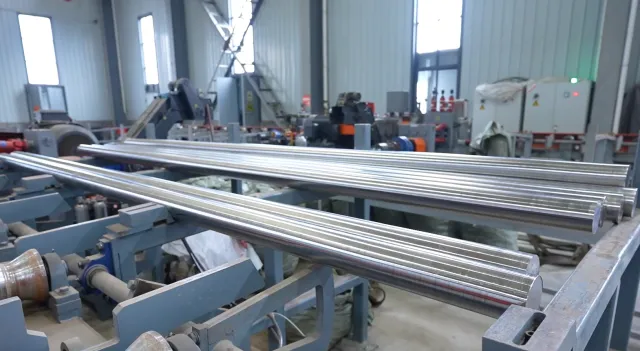
2. Core Benefits of Using Custom Titanium Alloy Flanges
- Outstanding corrosion resistance: Resist seawater, acid, alkali, salt spray and organic chemical media, avoiding rust and leakage plaguing carbon steel and stainless steel flanges.
- High strength with low density: Lighter weight supports lightweight design requirements similar to Aircraft Titanium Material while retaining strong tensile strength.
- Stable performance under high temperature and high pressure: Suitable for continuous operation under alternating load conditions without deformation.
- High-precision sealing surface: CNC finishing ensures flatness, minimizing leakage risks for long-term pipeline operation.
- Long service lifespan: Reduce shutdown frequency, maintenance cost and component replacement cycles for industrial facilities.
- High flexibility for OEM & ODM: Custom dimensions, hole patterns and special shapes according to engineering drawings.
3. Comparison: Titanium Alloy Flanges VS Traditional Steel & Stainless Steel Flanges
Key Performance Contrast for Industrial Procurement
- Corrosion resistance: Carbon steel & 304 stainless steel fail rapidly in marine, brine and strong chemical environments; titanium alloy maintains stable performance over decades.
- Weight advantage: Titanium alloy cuts structural weight by roughly 40% at equal strength, lowering transportation and installation load.
- Thermal stability: Ordinary stainless steel suffers creep deformation under persistent high heat; titanium alloy retains mechanical integrity.
- Total operating cost: Higher upfront price of titanium flanges is offset by fewer replacements and less downtime over 10+ years of operation.
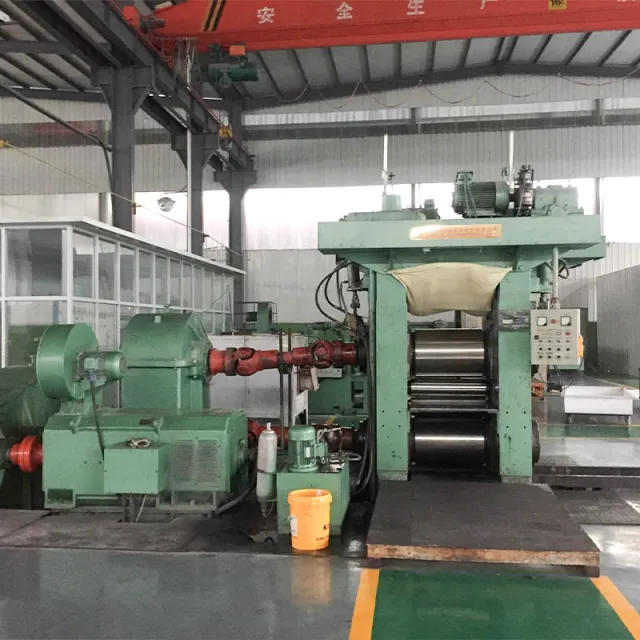
4. Broad Industrial Applications of Custom Titanium Alloy Flanges
Our custom titanium alloy flanges serve nearly every industrial sector demanding corrosion-proof high-strength pipe connections:
- Petrochemical & chemical engineering processing systems
- Offshore platforms, ship piping and seawater desalination projects
- New energy power generation equipment
- Pharmaceutical machinery and clean process equipment related to Medical Titanium Alloy
- Environmental protection wastewater & waste gas treatment facilities
- Precision machinery and aerospace supporting piping assemblies
5. Latest Industry Technical Updates on Titanium Flange Manufacturing
Global industrial engineering is shifting toward lightweight, long-life and low-maintenance component standards. In recent years, near-net-shape forging technology for titanium components has gradually replaced traditional rough machining. Integrated hot forging reduces raw material waste and improves internal density of custom titanium alloy flange for all industrial applications. Automated continuous CNC production lines help manufacturers stabilize tolerance control for ANSI, ASME and DIN standard flanges. Meanwhile, surface passivation optimization technology further enhances anti-corrosion capacity of titanium fittings. Many European and American engineering firms are phasing out 316L stainless steel in harsh working environments and upgrading to Grade 2 and Grade 5 titanium alloy piping assemblies. Suppliers capable of offering full material test reports (MTR) and third-party certification gain obvious advantages in international tender projects.
6. Five Key Concerns of European & American B2B Industrial Buyers
Procurement managers from US and EU manufacturers, OEM factories and industrial distributors evaluate titanium flange suppliers with clear priorities. First, consistent material grade authenticity; buyers strictly require complete chemical composition reports to avoid mixed impure titanium alloy. Second, dimensional precision and standard compliance to guarantee interchangeability with existing global-standard pipeline systems. Third, traceable quality certification including ISO9001, TUV or BV inspection documents. Fourth, flexible order policy supporting both small prototype batches and mass bulk shipments. Fifth, reliable lead time and professional after-sales technical support including drawing review, customization consultation and timely problem communication. Western buyers avoid manufacturers lacking formal lab testing capacity, as undetected internal defects will cause costly on-site pipeline leakage and project delays.
7. Industry Standard Popularization for Titanium Alloy Flanges
International commonly accepted standards for titanium flanges include ASME B16.5, ASME B16.47, DIN 2630-2638, JIS B2220 and GB/T series standards. These standards regulate flange pressure class, outer diameter, bolt hole layout, sealing surface form and thickness. QYX custom titanium alloy flanges can be produced fully complying with above specifications. Available titanium grades cover Gr1, Gr2 pure titanium, Gr5(Ti-6Al-4V), Gr7, Gr9 and Gr12 titanium alloy. All products support independent third-party testing, and each batch can be equipped with formal Material Test Report (MTR) for customs clearance and factory quality archives.
8. Product Usage & Daily Maintenance Guide for Titanium Alloy Flanges
Operation Suggestions
- Match correct gasket materials during installation to prevent galvanic corrosion contact.
- Tighten flange bolts evenly in diagonal sequence to ensure uniform sealing stress.
- Avoid hard scratch damage to the sealing surface during assembly and transportation.
Routine Maintenance Tips
- Regularly check bolt tension under cyclic temperature and pressure working conditions.
- Clean chemical sediment on flange surfaces; do not use abrasive grinding tools on sealing faces.
- Record operating environment data to predict service cycle and arrange planned inspection.
9. Industry Trend Analysis of Titanium Pipeline Fittings Market
Driven by offshore energy, new energy and green chemical industry expansion, global demand for high-end titanium Titanium Fittings maintains steady growth. Environmental protection policies push factories to extend equipment service life and reduce frequent part replacement. Lightweight transformation in marine and aerospace industries continuously expands application scenarios for custom titanium alloy flanges. Meanwhile, international buyers increasingly favor manufacturers with complete vertical production chains from raw titanium ingot to finished flange products. Customized small-batch orders are growing rapidly, replacing large single standard order patterns. Suppliers integrating machining, forging and strict quality testing will occupy more market share across North America and Europe.
10. Why Cooperate with QYX METAL CO., LTD for Custom Titanium Alloy Flanges
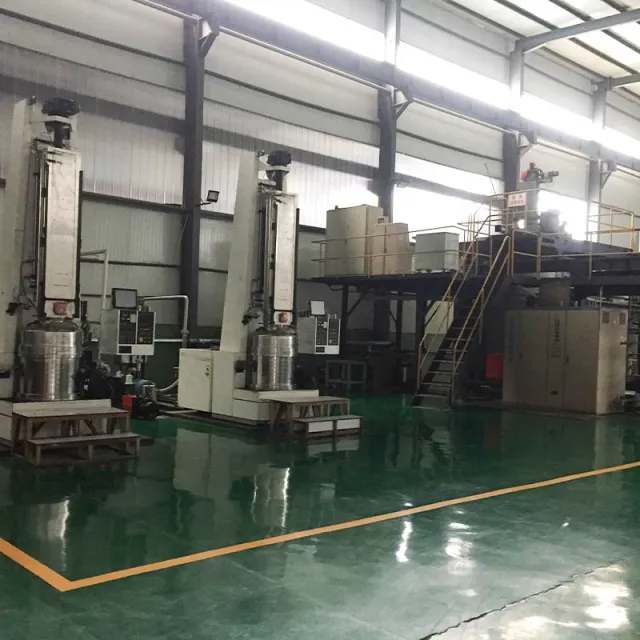
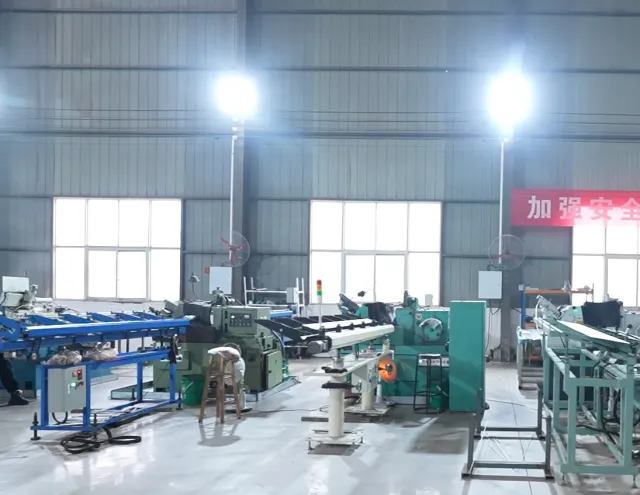
- Strong factory hardware: Modern forging workshops, CNC machining equipment and independent testing laboratory based in Baoji “China Titanium Valley”.
- R&D capability: Professional technical team focusing on titanium alloy forming process, continuously optimizing forging and machining technology.
- Complete certification: ISO9001, TUV, BV certified, all products can provide formal inspection documentation.
- Full customization service: Accept OEM & ODM, process strictly according to customer drawings and technical requirements.
- Diversified product portfolio: Supply titanium flanges, Titanium Materials, Titanium Forgings and a full series of titanium industrial components.
- Direct factory supply: Stable production capacity, flexible order volume, professional overseas sales support.
11. FAQ – Frequently Asked Questions from Global Industrial Buyers
Q1: Which titanium grades can you produce for custom titanium alloy flanges?
A1: We support Gr1, Gr2 pure titanium, Gr5 Ti-6Al-4V, Gr7, Gr9, Gr12 titanium alloy flanges as customer requirements.
Q2: Can you manufacture non-standard special-shaped titanium flanges based on engineering drawings?
A2: Yes. Our core service covers fully customized diameter, thickness, pressure rating, hole spacing and irregular structural flanges.
Q3: Do you provide MTR material test certificates for every shipment?
A3: Absolutely. Each batch of titanium alloy flanges comes with complete chemical and mechanical property test reports.
Q4: What flange types are available?
A4: Weld neck flange, slip on flange, blind flange, socket weld flange, threaded flange, lap joint flange.
Q5: Is small batch sample order acceptable?
A5: Yes, QYX accepts sample trial orders and mass bulk orders simultaneously to satisfy OEM manufacturers and distributors.
Reference Materials
[1] Wikipedia contributors. (2024, March 12). Titanium alloy. Wikipedia, The Free Encyclopedia.
[2] Harrison, T. (2025). Corrosion Performance of Titanium Pipeline Components in Marine Environment. Industrial Engineering Forum, Reddit Engineering Community.
[3] Moore, J. (2024). Material Selection Guide for High-Pressure Industrial Flanges. Quora Mechanical Engineering Column.
[4] International ASME Committee. (2023). Standard Specification for Titanium Alloy Flanges B16.5 Application Guidance.