
Titanium vs. Steel Pneumatic Regulating Valves: Best Industrial Valve Choice 2026
Blog Overview
Industrial fluid control systems rely heavily on high-performance regulating valves to ensure stable production, precise parameter control, and long-term operational safety. For European and American B2B manufacturers, OEM/ODM factories, and industrial distributors, choosing between Titanium Pneumatic Regulating Valve for Industrial Use and traditional steel valves (carbon steel & 316L stainless steel) directly impacts production efficiency, maintenance costs, and project ROI. This professional comparison blog systematically analyzes core performance differences, applicable scenarios, cost benefits, and industry adaptability of titanium and steel pneumatic regulating valves. Combined with QYX METAL’s mature Titanium Forgings technology, premium Titanium Materials, and precision Titanium Fittings supporting solutions, it delivers targeted procurement guidance for global industrial buyers.
1. Introduction to Industrial Pneumatic Regulating Valves
Pneumatic regulating valves are core terminal control components in industrial automation systems, responsible for precisely adjusting fluid flow, pressure, and temperature in production pipelines. Widely deployed across power generation, chemical, petrochemical, oil and gas, pharmaceutical, food processing, marine engineering, and environmental protection industries, these valves support normal operation of heat exchangers, condensers, and seawater treatment equipment.
Available in diversified structural types including ball valves, manifold valves, relief valves, and metering valves, industrial pneumatic regulating valves are divided into two mainstream material categories: traditional steel valves (carbon steel, 304/316L stainless steel) and high-end Titanium Pneumatic Regulating Valve for Industrial Use. Grade 2 titanium pneumatic regulating valves, manufactured with premium industrial titanium alloys, feature low density, excellent deformation resistance, and stable performance under extreme temperature and corrosive environments, making them an upgraded alternative to conventional steel valves for harsh industrial working conditions. QYX Metal also extends titanium processing advantages to Medical Titanium Alloy and Titanium Auto Part production, verifying reliable precision manufacturing capabilities.
2. Core Material Differences: Titanium vs. Steel Valves
2.1 Basic Material Properties
Traditional industrial steel valves adopt carbon steel or 316L stainless steel as core materials, featuring low initial procurement cost and mature universal applicability for conventional normal-temperature, non-corrosive industrial pipelines. However, steel materials have inherent defects including high density, poor extreme temperature adaptability, and weak resistance to chloride and acidic media.
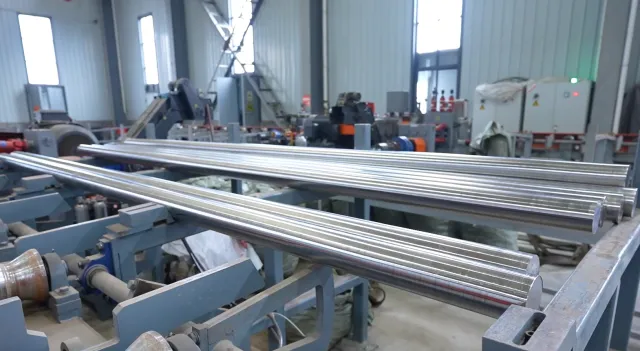
In contrast, Titanium Pneumatic Regulating Valve for Industrial Use adopts TA1, TA2, and TA10 industrial-grade titanium alloys. With unique physical and chemical properties, titanium materials form a self-repairing dense passive oxide film on the surface, delivering incomparable medium adaptability. Meanwhile, the integration of lightweight design and high structural strength makes titanium valves exclusive high-performance equipment for high-end harsh industrial scenarios. Different from ordinary steel materials, QYX’s titanium valve bodies are integrally forged via advanced Titanium Forgings technology, eliminating welding gaps and improving overall structural consistency.
2.2 Essential Structural & Functional Differences
- Material Composition: Steel valves = carbon steel/stainless steel; Titanium valves = pure titanium & titanium alloy
- Main Application: Steel valves = conventional low-corrosion industrial pipelines; Titanium valves = high-corrosion, extreme temperature, high-precision industrial scenarios
- Processing Standard: Steel valves = general industrial standards; Titanium valves = ASTM B381, ISO high-precision manufacturing standards
- Supporting Accessories: Steel valves = ordinary pipe fittings; Titanium valves = customized anti-corrosion Titanium Fittings
3. Corrosion Resistance Comparison: Which Material Excels?
Corrosion failure is the leading cause of valve leakage, aging, and premature scrapping in industrial production, especially in chemical, marine, and sewage treatment industries. Traditional 316L stainless steel and carbon steel valves can only resist conventional weak corrosive media, and are prone to rust, pitting, and structural damage when exposed to seawater, chloride solutions, nitric acid, acetic acid, and strong acid-base media for a long time.
Titanium Pneumatic Regulating Valve for Industrial Use achieves industry-leading anti-corrosion performance. Titanium alloy surface can rapidly regenerate passive protective film in oxygen-containing environments, stably resisting erosion from high-chloride seawater, salt spray, wet chlorine, and various acidic corrosive media. Its corrosion resistance is 5-10 times higher than 316L stainless steel valves, completely solving the pain points of frequent replacement and shutdown losses caused by medium corrosion. It is worth noting that titanium valves are not suitable for strong reducing acid and anhydrous chlorine environments, while steel valves show more stable performance in such extreme special media, forming a complementary application relationship.
4. Durability & Longevity Performance Analysis
Service life and operational durability are core indicators that European and American industrial buyers prioritize, directly determining full-life cycle equipment costs. Under conventional working conditions, the average service life of 316L stainless steel pneumatic regulating valves is only 2-3 years, while carbon steel valves face more severe aging and damage problems with a shorter service cycle.
Benefiting from excellent wear resistance, anti-corrosion performance, and stable mechanical properties, Titanium Pneumatic Regulating Valve for Industrial Use has a standardized service life of 8-10 years, 3-5 times longer than traditional steel valves. Manufactured with QYX’s mature forging and CNC precision processing technology, the valve body has uniform material density, no structural defects, and maintains stable toughness and strength under long-term high-load operation. It will not deform or crack under cryogenic and high-temperature alternating environments, realizing long-term zero-failure stable operation. For continuous production industrial lines, titanium valves effectively reduce equipment replacement frequency and production interruption risks.
5. Lightweight Design & Industrial Installation Efficiency
Steel valves feature high density and heavy weight, which will increase the overall load of industrial pipeline systems, easily causing pipeline extrusion deformation and foundation pressure overload. Heavy-weight structures also increase the difficulty of on-site installation, disassembly, and maintenance, extending construction cycles and raising labor costs.
Titanium Pneumatic Regulating Valve for Industrial Use adopts high-strength lightweight titanium alloy design, 40% lighter than steel valves of the same caliber and pressure grade. The ultra-high strength-to-weight ratio greatly reduces pipeline system load, optimizing the overall stress structure of industrial pipelines. The lightweight structure simplifies on-site construction procedures, improves installation efficiency, and is especially suitable for lightweight high-pressure industrial equipment supporting projects. Relying on the lightweight manufacturing experience accumulated from Aircraft Titanium Material and Titanium Auto Part production, QYX optimizes the valve structure to ensure no loss of mechanical strength while realizing lightweight advantages.
6. Extreme Temperature Tolerance & Working Condition Adaptability
Modern industrial production involves diversified extreme temperature scenarios, from cryogenic low-temperature processing to continuous high-temperature and high-pressure reaction environments. Traditional steel valves have obvious performance limitations: stainless steel valves are prone to embrittlement at ultra-low temperatures and thermal deformation at high temperatures, resulting in sealing failure and inaccurate regulation.
Grade 2 Titanium Pneumatic Regulating Valve for Industrial Use achieves full-temperature range stable adaptation. It maintains excellent structural toughness and mechanical strength under long-term high-temperature and high-pressure working conditions, avoiding thermal deformation and leakage. In cryogenic industrial environments, titanium materials will not embrittle or crack, ensuring continuous and accurate fluid parameter regulation. This unique extreme temperature adaptability enables titanium valves to cover ultra-wide industrial scenarios that steel valves cannot adapt to, becoming the preferred equipment for high-end precision industrial production lines.
7. Cost Analysis: One-Time Budget vs. Full-Life ROI
In terms of initial procurement cost, steel pneumatic regulating valves have obvious price advantages with low one-time investment, suitable for small-scale temporary projects and low-demand conventional pipeline systems. However, their short service life and high maintenance frequency lead to continuous hidden costs including spare parts replacement, manual maintenance, and production shutdown losses.
Although the initial purchase price of Titanium Pneumatic Regulating Valve for Industrial Use is slightly higher, it has outstanding full-life cycle cost advantages. Ultra-long service life, ultra-low wear and aging rate, and simple maintenance structure reduce comprehensive operation and maintenance costs by more than 70% compared with steel valves. For long-term operating large factories, chemical projects, and marine engineering projects, titanium valves can bring stable high ROI within 2-3 years, which is far more cost-effective than traditional steel valves. It is the optimal choice for medium and long-term industrial project investment.
8. Maintenance Requirements & Repair Difficulty Comparison
Steel pneumatic regulating valves have many vulnerable parts and poor anti-corrosion performance, requiring monthly inspection of rust, sealing aging, and pipeline blockage problems. In corrosive working environments, regular rust removal, anti-corrosion treatment, and accessory replacement are needed, with high maintenance difficulty and labor cost.
Titanium Pneumatic Regulating Valve for Industrial Use features low maintenance design. The titanium alloy valve body is resistant to wear and corrosion, basically no rust or structural aging occurs during operation. The pneumatic actuator has a simple and reliable structure with few vulnerable parts. Daily maintenance only requires regular cleaning of residual media and quarterly precision calibration. It greatly reduces the frequency of shutdown maintenance and manual operation, effectively improving the continuous operation rate of industrial production lines. QYX provides standardized maintenance guidelines for all titanium valve products to help customers reduce operational costs.
9. Environmental Impact & Sustainable Development Advantages
Traditional steel valves are prone to rust and metal dissolution during long-term operation, causing secondary pollution to fluid media. The rusted waste valves also generate industrial solid waste, which does not conform to global industrial green and low-carbon development standards. In food, pharmaceutical, and drinking water treatment industries, steel valve medium pollution risks will affect product qualification rates and environmental compliance.
Titanium Pneumatic Regulating Valve for Industrial Use uses non-toxic, non-radioactive, and pollution-free titanium alloy materials, with no harmful substance precipitation or medium dissolution during operation. It fully complies with EU environmental protection regulations and international food and medical hygiene standards, supporting clean and green industrial production. In addition, the ultra-long service life reduces waste valve generation, realizing low-carbon and sustainable industrial operation, which is highly recognized by European and American environmentally compliant enterprises.
10. Industry-Specific Application Recommendations
10.1 Scenarios Suitable for Steel Pneumatic Valves
- Conventional normal-temperature, low-pressure, non-corrosive water and gas pipeline systems
- Temporary industrial projects and short-cycle small-scale production lines
- General mechanical equipment with low precision regulation requirements
- Special working conditions of strong reducing acid and anhydrous chlorine media
10.2 Scenarios Suitable for Titanium Pneumatic Valves
- Chemical & Petrochemical: Nitric acid, acetic acid, chlor-alkali, and fine chemical corrosive medium processing systems
- Marine & Seawater Engineering: Offshore platforms, seawater desalination, and coastal wastewater treatment projects
- Pharmaceutical & Food: Sterile production lines and hygienic fluid control systems
- Environmental Protection & Metallurgy: Acid-base sewage treatment and acid leaching metallurgical systems
- High-End Manufacturing: Extreme temperature, high-pressure, and high-precision industrial fluid control scenarios
11. Core Procurement Concerns of European & American B2B Buyers
Professional European and American industrial procurement managers, large and small manufacturers, and industrial distributors focus on five core dimensions when selecting pneumatic regulating valve materials. First, working condition matching is the primary consideration; buyers will strictly verify whether the valve material can adapt to the medium corrosion, temperature, and pressure of on-site production to avoid frequent equipment failure affecting production stability. Second, full-life cycle cost control replaces single price comparison, and buyers pay more attention to long-term maintenance costs and service life rather than initial procurement expenditure. Third, product compliance and certification are key thresholds, requiring valves to meet ASTM, ISO, and IEC international standards with complete quality traceability documents to adapt to local industrial safety and environmental regulations. Fourth, precision and safety performance are core evaluation indicators, requiring stable regulation accuracy and explosion-proof safety design to ensure standardized operation of automated production lines. Fifth, supplier strength and customized service capability are decisive factors; buyers prefer certified manufacturers with independent factories, professional R&D teams, and one-stop customized solutions to meet personalized pipeline and process demands.
12. New Technology R&D & Application Dynamics
Driven by global intelligent manufacturing and industrial upgrading, the R&D and application technology of Titanium Pneumatic Regulating Valve for Industrial Use have achieved major breakthroughs in 2026, forming a clear technological gap with traditional steel valves. In material innovation, QYX Metal’s R&D team optimizes the ratio of TA2 and TA10 titanium alloys, improving low-temperature toughness and high-pressure resistance to adapt to ultra-extreme working conditions that traditional steel valves cannot cover. In processing technology, integrated forging and precision CNC processing technology derived from mature Titanium Disc & Titanium Target precision manufacturing eliminates valve body welding gaps, improving overall tightness and structural durability. In intelligent upgrading, new-generation titanium pneumatic valves support HART, FF, and Modbus multi-protocol intelligent interaction, realizing seamless docking with industrial DCS and PLC systems, automatic parameter calibration, and real-time fault early warning. Steel valves are still dominated by traditional mechanical regulation, lacking intelligent monitoring and remote diagnosis functions. In addition, green low-carbon manufacturing processes are widely applied in titanium valve production, reducing carbon emissions and meeting the low-carbon procurement standards of European and American enterprises, further expanding the market gap between titanium and steel valves.
13. 2026 Latest Industrial Valve Industry Trends
The global industrial pneumatic valve industry is undergoing structural upgrading in 2026, presenting three major development trends. First, high-performance material replacement accelerates. With the continuous improvement of industrial production standards and environmental requirements, high-corrosion resistant, lightweight, and long-life titanium alloy valves are rapidly replacing traditional steel valves in high-end industrial fields, becoming the mainstream choice for high-standard industrial projects. Second, intelligent modular integration becomes the core competitiveness. Industrial valves are evolving from single fluid control functions to integrated modules with data monitoring, remote diagnosis, and predictive maintenance functions, and titanium valves with intelligent configuration capabilities occupy the high-end market. Third, full-life cycle cost optimization and customized solutions become mainstream procurement demands. Buyers no longer pursue low-priced single products, but prefer high-value equipment with long service life, low maintenance, and personalized customization capabilities. In addition, international standard compliance and green manufacturing certification have become basic thresholds for global B2B valve procurement, further promoting the iterative upgrading of titanium industrial valves.
14. Product Installation & Daily Maintenance Guidelines
14.1 Standard Installation Steps for Titanium Pneumatic Valves
- Pre-Installation Inspection: Check the valve body, pneumatic actuator, and sealing accessories for damage, confirm that valve parameters match on-site medium, temperature, and pressure working conditions, and verify international standard compliance.
- Pipeline Preprocessing: Clean pipeline welding slag, rust, and impurities to avoid particle abrasion on the valve core and sealing surface during operation.
- Positioning & Fixing: Install the valve horizontally or vertically according to pipeline design, fix it firmly to avoid pipeline stress extrusion, and correctly connect air source and signal lines.
- Pressure & Precision Debugging: Complete air tightness test and stroke calibration to ensure flexible opening and closing, ±0.5% FS precise regulation, and zero leakage.
14.2 Daily Maintenance Tips
- Inspect pneumatic actuator air tightness and signal response accuracy monthly to avoid signal delay and sealing aging.
- Clean residual corrosive media on the valve surface and interior regularly with titanium-compatible neutral cleaning agents.
- Replace pneumatic system filter elements regularly and calibrate intelligent positioners quarterly to maintain ultra-high regulation accuracy.
- Store idle titanium valves in a dry, dust-free environment to avoid long-term damp and corrosive gas erosion.
15. Industrial Quality & Safety Standard Popularization
Qualified Titanium Pneumatic Regulating Valve for Industrial Use and steel valves need to comply with different grade industrial standards. Traditional steel valves implement basic national general industrial standards, while high-end titanium pneumatic regulating valves strictly follow international authoritative specifications in material selection, processing, and testing. Core applicable standards include ASTM B381 titanium alloy material standards, AMS 4928 aerospace-grade material specifications, ASTM B363 pipe fitting manufacturing standards, ASME B16.9 pipeline component standards, and IEC 61511 functional safety standards. All QYX titanium valve products are produced in accordance with the ISO9001 quality management system, and have passed TUV and BV international certifications, fully meeting European and American industrial access and safety specifications. Compared with ordinary steel valves with uneven quality, titanium valves have stricter quality control systems and more complete quality traceability mechanisms.
16. QYX Metal Factory Strength & R&D Innovation Advantages
Baoji Qi Yue Xin Metal Materials Co., Ltd. (QYX METAL CO., LTD) is located in Baoji, "China Titanium Valley", with unique titanium industry chain and technical advantages. Founded in 2019, the company is a high-tech export-oriented manufacturer focusing on titanium and non-ferrous metal product R&D, production, and customization, serving global European and American B2B industrial customers.
16.1 Advanced Factory Hardware Strength
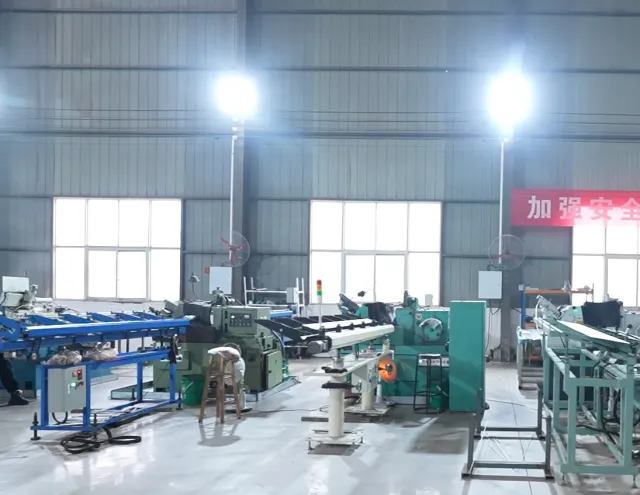
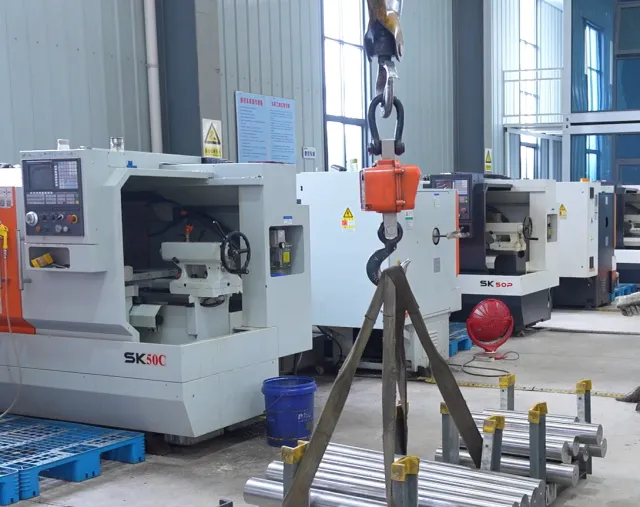
QYX Metal owns standardized modern production workshops and professional precision testing laboratories, equipped with advanced CNC processing equipment, integrated forging production lines, and high-precision testing instruments. It realizes full-process independent production from titanium raw material forging, precision processing to finished product testing. With stable monthly supply capacity of customized titanium industrial components, the company can fully meet global bulk procurement and OEM/ODM personalized order demands, providing high-quality customized Titanium Pneumatic Regulating Valve for Industrial Use and supporting Titanium Fittings products.
16.2 Professional R&D Team & Innovation Achievements
The company has a professional technical R&D team with years of experience in titanium material optimization and industrial fluid control equipment innovation. It has obtained multiple independent intellectual property patents in titanium alloy forging and precision processing technology. While optimizing industrial titanium valves, QYX Metal independently develops diversified high-end titanium products including Aircraft Titanium Material, Titanium Auto Part, and Medical Titanium Alloy, with complete product lines and strong comprehensive manufacturing strength.
17. FAQ for Global Industrial Valve Buyers
Q1: When should I choose titanium valves instead of steel valves?
A1: Choose Titanium Pneumatic Regulating Valve for Industrial Use for high-corrosion (seawater, acid, chloride), extreme temperature, high-precision, and long-term continuous production scenarios. Steel valves are suitable for conventional non-corrosive, normal-temperature, short-cycle industrial projects to control initial costs.
Q2: Are titanium valves worth the higher initial procurement cost?
A2: Yes. Titanium valves have a service life 3-5 times longer than steel valves, with ultra-low maintenance frequency and no frequent shutdown losses. The full-life cycle comprehensive cost is reduced by more than 70%, with significantly higher ROI than traditional steel valves for long-term industrial projects.
Q3: Can QYX provide customized titanium valve solutions?
A3: Yes. QYX supports full personalized customization of valve caliber, pressure grade, flow characteristics, and industrial control protocols according to on-site working conditions, meeting all OEM/ODM and large factory production line demands.
Q4: Do your titanium valves meet European and American industrial standards?
A4: All products comply with ASTM, ISO, IEC international standards. The company has passed ISO9001, TUV, and BV authoritative certifications, fully meeting European and American industrial safety and environmental access specifications.
Q5: What is the biggest disadvantage of titanium pneumatic regulating valves?
A5: The initial procurement cost is higher than steel valves, and titanium valves are not applicable to strong reducing acid and anhydrous chlorine working conditions. For such special scenarios, QYX will provide targeted steel valve matching suggestions for customers.
18. Conclusion: Select the Optimal Valve for Your Industrial Scenarios
The choice between titanium and steel pneumatic regulating valves depends on actual industrial working conditions, project cycle, and budget planning. Traditional steel valves are cost-effective for conventional low-demand industrial scenarios and short-term projects. However, for high-corrosion, extreme temperature, high-precision, and long-term continuous production industrial projects, Titanium Pneumatic Regulating Valve for Industrial Use is undoubtedly the optimal choice, with overwhelming advantages in corrosion resistance, durability, operational precision, safety, and full-life cycle cost performance.
As a professional titanium product manufacturer with mature R&D and manufacturing strength, QYX Metal relies on advanced Titanium Forgings technology, strict quality control system, and professional customized service capabilities to provide global industrial buyers with targeted valve selection guidance and high-quality titanium pneumatic regulating valve solutions, helping enterprises improve production efficiency, stabilize operational safety, and reduce long-term operational costs.
Reference Materials
[1] Industrial Automation Forum. (2026, August). Material Performance Comparison of Industrial Pneumatic Regulating Valves. Industrial Fluid Control Technology Journal.
[2] Shunqi Network. (2026, August 18). 2026 Industrial Valve Material Selection & Working Condition Matching Guide. Mechanical Engineering Standards Review.
[3] Sohu Tech. (2026, August 31). Corrosion Resistance Differences Between Titanium Alloy & Stainless Steel Industrial Valves. Industrial Equipment Application Research.
[4] Wikipedia. (2026). Industrial Pneumatic Control Valve Material Application & Performance Parameters. Industrial Engineering Encyclopedia.
[5] Global B2B Procurement Research Institute. (2026, August). Full-Life Cycle Cost Analysis of Industrial High-End Valves. Global Industrial Procurement Report.
Blog Outline & Summary
Blog Outline: This article centers on the core theme of Titanium vs. Steel Pneumatic Regulating Valves, starting from product basic introduction and core material differences, conducting in-depth comparative analysis of corrosion resistance, durability, lightweight performance, extreme temperature adaptability, cost performance, and maintenance difficulty. It further covers environmental advantages, industry application scenarios, B2B buyer core concerns, 2026 industry trends, new technology R&D dynamics, product maintenance guidelines, and industrial standard specifications, supplemented by QYX enterprise strength and FAQ modules, forming a complete professional valve selection guide for global industrial purchasers.
Blog Summary: Steel pneumatic regulating valves have advantages in low initial cost and are suitable for conventional ordinary industrial scenarios. In contrast, Titanium Pneumatic Regulating Valve for Industrial Use has comprehensive performance advantages in corrosion resistance, extreme temperature resistance, structural durability, regulation precision, and environmental friendliness, with ultra-low full-life cycle maintenance costs and long service life. Supported by QYX Metal’s professional R&D, manufacturing strength, and international certification advantages, titanium valves have become the preferred upgraded equipment for high-end harsh industrial projects, helping global B2B enterprises realize efficient, safe, and low-cost industrial operation.