
A Beginner’s Guide to Choosing the Right titanium alloy Flange
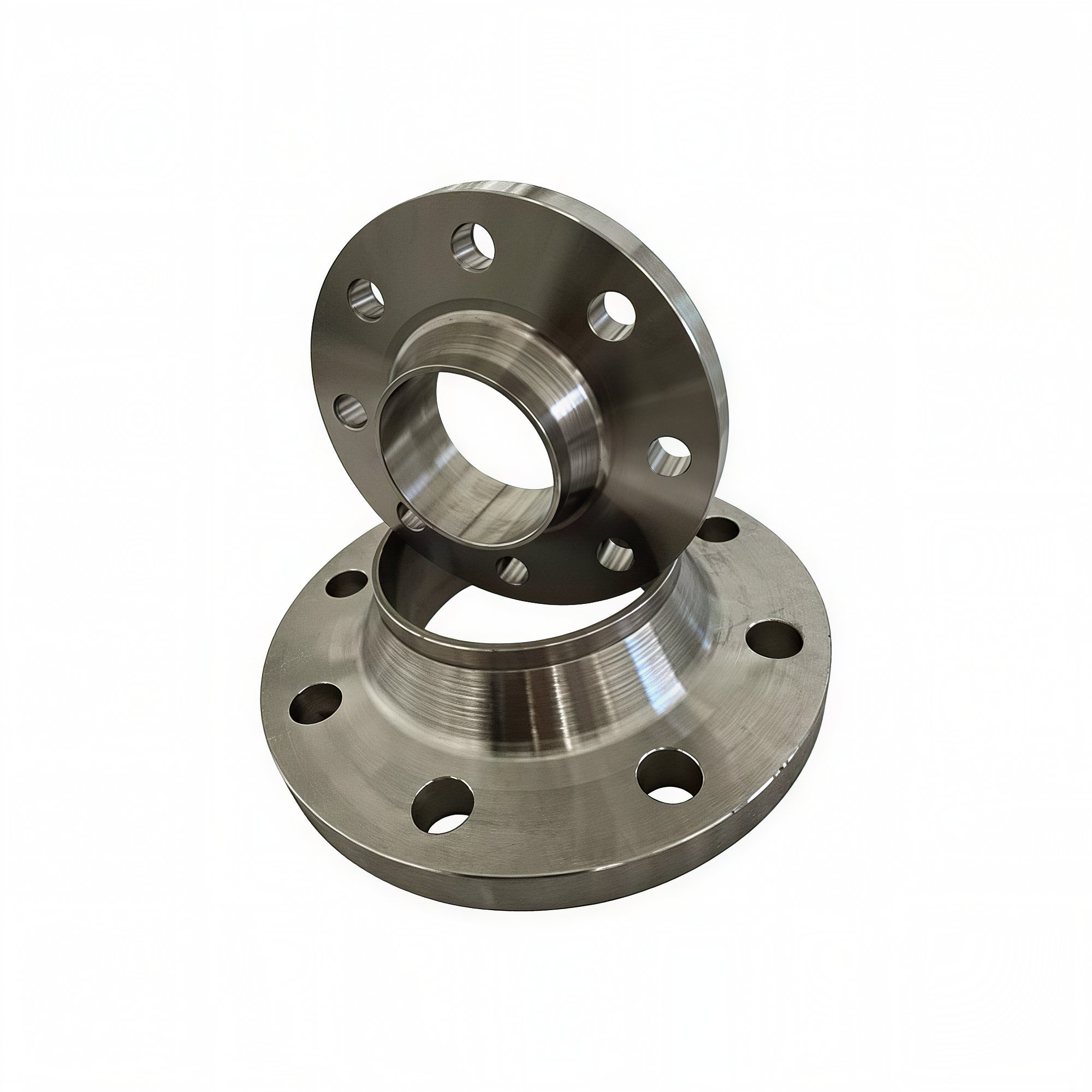
For B2B procurement managers, OEM manufacturers, industrial distributors and system integrators across Europe and North America, picking the correct Titanium Alloy Flange can directly determine pipeline safety, project uptime and total ownership cost. Many first-time buyers struggle with alloy grades, flange types, pressure ratings and international standards, making it easy to select a mismatched component that leads to leakage or premature failure. This practical guide from QYX METAL CO., LTD helps you walk through every critical selection step for our High Precision High Quality Industrial Titanium Alloy Flange. As a professional titanium manufacturer based in Baoji, the “China Titanium Valley”, we leverage abundant Titanium Materials resources, mature forging and CNC machining capabilities, and deep experience producing Titanium Fittings, Titanium Forgings, Aircraft Titanium Material and Medical Titanium Alloy to support your corrosive, high-temperature and high-pressure piping projects.
Understanding Titanium Alloys: Basics and Benefits
Titanium alloy is a lightweight structural metal famous for its self-healing passive oxide surface film. This natural protective layer resists seawater, chloride, acid and alkali media, delivering outstanding corrosion resistance far beyond carbon steel and ordinary stainless steel. Titanium features an exceptional strength-to-weight ratio, remains ductile at cryogenic temperatures and retains stable mechanical performance under elevated heat; it is non-magnetic and non-toxic, suitable for clean, high-standard process systems.
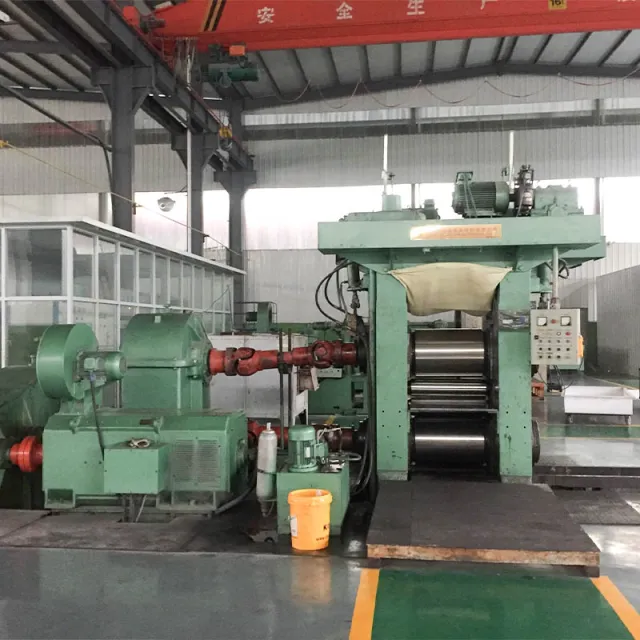
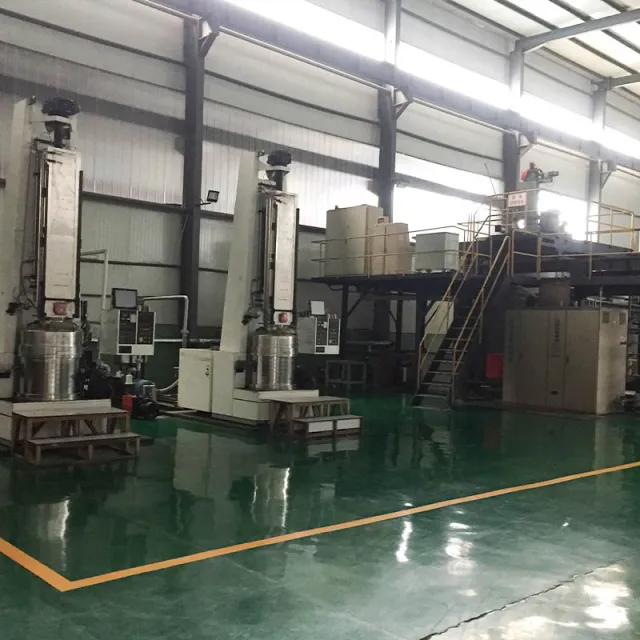
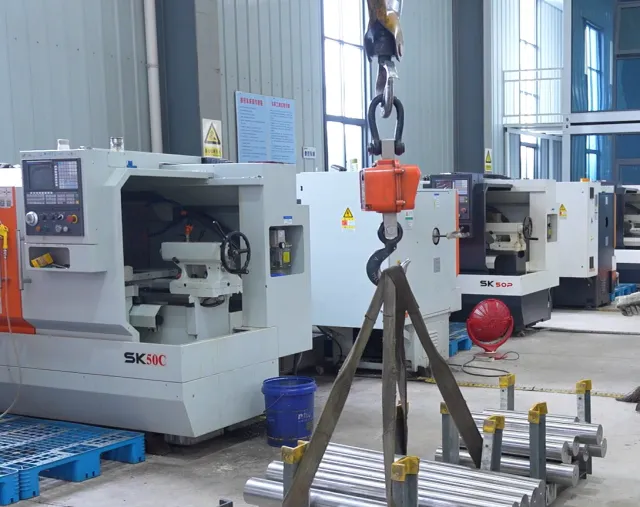
QYX METAL is a high-tech enterprise founded in 2019. Our factory occupies well-planned production zones equipped with advanced forging machines, multi-axis CNC machining centers, spectrometers and non-destructive inspection stations. Our in-house R&D team consists of senior material engineers with rich background developing Aircraft Titanium Fasteners, Titanium Auto Part and custom titanium components. Continuous R&D investment and accumulated process patents help us stabilise metallurgical consistency for every batch of Titanium Alloy Flange and related titanium products.
Types of Titanium Alloy Flanges Explained
Before selection, you need to understand common flange face styles and connection types, each designed for specific installation and pressure scenarios:
- Weld Neck Flange: Long tapered hub, ideal for high-pressure, high-temperature critical piping such as subsea, oil & gas and chemical process lines.
- Slip-On Flange: Simple installation, lower cost, suitable for low-to-medium pressure general corrosive pipelines.
- Blind Flange: Used to seal pipe endings, pressure vessel ports and spare branch connections.
- Threaded Flange: No welding required, convenient for temporary assemblies and maintenance-friendly layouts.
- Flat Face (FF): Full flat sealing surface, commonly paired with full-face gaskets for low-pressure sanitary systems.
- Raised Face (RF): Most widely used type, raised sealing zone concentrates gasket compression force for reliable sealing.
- Ring Joint Face (RTJ): Designed for extreme high-pressure service with metal ring gaskets, widely adopted in offshore and subsea equipment.
All of these types are available for our High Precision High Quality Industrial Titanium Alloy Flange, fully matched with our Titanium Fittings and titanium pipes.
Key Factors in Selecting a Titanium Alloy Flange
Use this checklist when you evaluate specifications for your project:
- Confirm working medium: seawater, chloride, acid, alkali, clean pharmaceutical fluid or mixed corrosive media.
- Define working temperature range: cryogenic, room temperature or continuous high-temperature cycles.
- Determine design pressure class and required safety margin.
- Choose connection and face type based on installation space, welding accessibility and maintenance frequency.
- Select suitable titanium alloy grade matching corrosion and strength requirements.
- Verify required standards: ASME B16.5, ASTM B381, ASTM B363 and certification documents needed for submittal.
- Check compatibility with mating pipes, gaskets and dissimilar metals to avoid galvanic corrosion.
- Confirm OEM drawing requirements, dimensional tolerances and third-party inspection needs.
Comparing Popular Titanium Alloy Grades for Flanges
Grade 2 (Commercially Pure Titanium)
Grade 2 is the most popular pure titanium grade for flanges. It offers excellent general corrosion resistance, good formability and moderate strength. It is the preferred option for seawater desalination, chlor‑alkali chemical, pharmaceutical and food processing pipelines.
Grade 5 (Ti‑6Al‑4V)
Grade 5 titanium alloy delivers much higher tensile strength, superior fatigue performance and stable high-temperature performance. It is the standard alloy for Aircraft Titanium Material and Aircraft Titanium Fasteners. It suits high-pressure subsea modules, aerospace test loops and heavy-load energy piping systems where strength is prioritised.
Custom Titanium Grades
QYX can develop and produce custom titanium alloy grades for special aggressive media or ultra-low/ultra-high temperature conditions. Our R&D team transfers material experience from Medical Titanium Alloy and Titanium Auto Part projects to optimise metallurgical formulations for special working environments.
Application-Specific Considerations for Flange Selection
Your industry environment heavily shapes the final selection decision:
- Chemical & Chlor‑alkali: Prioritise Grade 2, RF or RTJ face, stable acid/chloride resistance and full MTC traceability.
- Offshore, Marine & Desalination: Grade 2 titanium is the mainstream; avoid direct coupling with carbon steel without isolation gaskets.
- Oil & Gas / Subsea: Grade 5 weld neck RTJ flanges are common for high-pressure, fatigue-critical subsea piping.
- New Energy & Power: Balance weight reduction and thermal cycling stability; lightweight benefit helps reduce frame load.
- Pharmaceutical & Food: Non-toxic, clean Grade 2 flanges with smooth sealing surfaces, no contamination risk.
- Aerospace & Precision Equipment: Grade 5, tight tolerance control, full documentation package and third-party inspection support.
Evaluating Mechanical Properties of Titanium Alloy Flanges
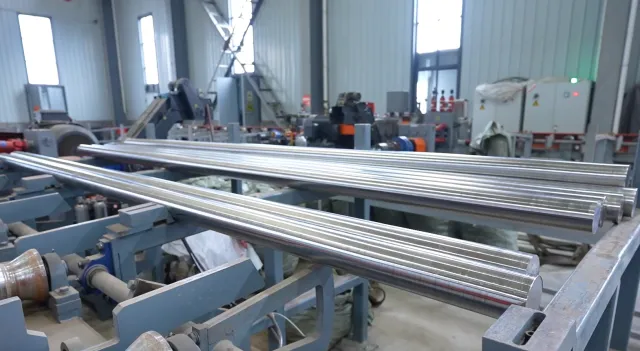
When reviewing material reports, focus on these core mechanical indicators: tensile strength, yield strength, elongation, hardness and impact toughness. Titanium alloy maintains good toughness at cryogenic conditions and will not turn brittle easily. Compared with stainless steel, titanium cuts assembly weight significantly while keeping structural safety. Our flanges are forged first then CNC precision machined. Forging refines the grain structure, improving fatigue resistance, which is a critical process inherited from our Titanium Forgings production line. Tight tolerance control on sealing faces, bolt holes and bores ensures uniform gasket compression and minimises leakage risk.
Corrosion Resistance: Importance in Flange Selection
Corrosion failure is the top reason piping flanges need replacement in offshore and chemical plants. Unlike passive protection coatings that peel off over time, titanium’s oxide film regenerates automatically after minor scratches. This property greatly reduces unexpected shutdowns and spare part replacement cycles. However, buyers still need to avoid galvanic corrosion: direct contact between titanium and active ferrous metals in wet chloride environments will accelerate corrosion of the less noble metal. Our engineering team can provide gasket and joint design suggestions once you share your piping mating material list.
Cost vs. Performance: Finding the Right Balance
Titanium alloy flanges carry higher upfront purchase cost than carbon steel or standard stainless steel flanges. But procurement managers must evaluate total cost of ownership, not only unit price. Superior corrosion resistance, long service life and low maintenance frequency cut downtime, labour and replacement expense over decades. For remote offshore installations or hard-to-access skid systems, the long-term savings of Titanium Alloy Flange often outweigh the initial premium. For low-pressure non-corrosive water systems, stainless steel may remain economical; for corrosive, high-cycle critical piping, titanium becomes the cost-effective solution.
Sourcing Reliable Suppliers for Quality Titanium Flanges
When screening manufacturers, verify these qualifications: raw material traceability, forging and CNC capacity, ISO9001, TUV and BV certification, third-party testing support, and experience supplying international B2B buyers. QYX METAL supplies OEM, ODM and OBM titanium products. We provide complete MTC, dimensional inspection reports and third-party test documents for every batch. Our one-stop supply model can bundle Titanium Alloy Flange, Titanium Fittings, Titanium Forgings and other Titanium Materials to simplify your procurement chain.
Five Core Concerns of B2B Procurement Managers Sourcing Titanium Alloy Flanges
Experienced B2B procurement managers from North American and European manufacturing and distribution companies focus on five core evaluation points beyond quotation price when sourcing Titanium Alloy Flange. First, full material traceability and certified MTCs are non-negotiable for auditable projects in pharmaceutical, aerospace and subsea sectors, where each heat lot must be matched to inspection records. Second, strict compliance with ASME and ASTM standards guarantees interchangeability with globally sourced piping components and prevents costly rework during skid assembly or site installation. Third, flexible OEM and custom drawing capability supports prototype testing, special pressure classes and non-standard flange geometry, which is essential for small-batch R&D projects and specialty equipment manufacturers. Fourth, predictable lead times and responsive technical engineering support directly protect project milestones; delayed critical piping hardware can halt equipment testing and offshore mobilisation schedules. Fifth, consolidated one-stop supply capability reduces procurement workload, as buyers prefer qualified manufacturers that can supply matched Titanium Materials, Titanium Fittings and Titanium Forgings rather than coordinating multiple separate metal vendors across different regions.
New Technology R&D & Application Updates
Global titanium component R&D is now focused on near-net-shape forging technology, intelligent closed-loop heat treatment, AI-powered non-destructive testing and surface functional modification to improve anti-fouling performance for marine brine environments. Digital material traceability systems link every finished Titanium Alloy Flange back to raw billet chemistry, forging parameters, machining logs and inspection records, which meets strict audit requirements for aerospace, pharmaceutical and subsea regulated projects. Advanced finite element simulation is widely used to predict gasket stress distribution, thermal cycle fatigue and galvanic corrosion risk before production starts, helping design teams avoid joint failure at the prototype stage. QYX’s in-house R&D team continuously transfers material knowledge accumulated from Aircraft Titanium Material and Medical Titanium Alloy development into our flange production workflow. We are optimising custom heat treatment recipes for special titanium grades and upgrading our batch traceability platform to satisfy traceability demands of high-reliability engineering buyers in Europe and North America. Our technical team also carries out continuous joint compatibility testing to provide customers with packaged piping connection design recommendations, cutting trial-and-error cost during pilot project validation and new equipment development cycles.
Industry Trend Interpretation
Three major trends are reshaping the Titanium Flange market for industrial procurement. First, buyers are shifting from lowest-bid purchasing to total-cost-of-ownership and performance-based material selection, especially for hydrogen energy, carbon capture and floating offshore wind infrastructure. Second, OEM and EPC clients increasingly prefer one-stop titanium component suppliers that can deliver flanges, fittings, forgings and technical documentation together, rather than fragmented sourcing. Third, digitalisation and ESG requirements push suppliers to provide full material traceability and recyclable material solutions. Titanium’s full recyclability and long service life fit low-carbon engineering strategies perfectly. QYX METAL keeps upgrading production efficiency and scrap recycling processes to match these global industry shifts.
Industry Standard科普: Quality & Safety Specifications
Standard compliance is the foundation for safe, interchangeable titanium flange connections:
- ASME B16.5: Governs flange dimensions, pressure-temperature ratings, bolt layout and sealing face geometry.
- ASTM B381: Specification for titanium alloy forgings, defining chemical composition and mechanical property requirements.
- ASTM B363: Standard covering seamless and welded titanium fittings.
- ISO9001: QYX’s core quality management system, supplemented by independent TUV and BV third-party audits.
All inspection certificates and test reports are available on RFQ submission for your engineering submittal and customer audit.
Maintenance Tips for Long-lasting Titanium Alloy Flanges
Correct operation and maintenance protect the passive oxide film and precision sealing surface:
- Prevent iron contamination: Do not use carbon steel brushes or leave ferrous debris on titanium sealing faces.
- Inspect sealing grooves and contact surfaces before assembly; reject flanges with deep scratches or embedded grit.
- Clean only with chloride-free neutral cleaners and lint-free non-metallic wipes.
- Store flanges indoors with protective caps covering sealing surfaces; separate from carbon steel stock with plastic or wooden spacers.
- Follow cross-pattern incremental bolt torque sequence according to ASME recommended tightening procedure.
- Do not apply grease or lubricant directly onto gasket seating sealing surfaces.
- Install approved isolation gaskets when titanium flanges connect to dissimilar metals in wet chloride environments.
FAQ: Frequently Asked Questions for Engineering Buyers
Q1: Should I choose Grade 2 or Grade 5 titanium alloy flange?
A1: Choose Grade 2 for general corrosion resistance, seawater, chemical and sanitary service. Choose Grade 5 (Ti‑6Al‑4V) when higher strength, fatigue resistance and elevated temperature performance are required, such as subsea high-pressure and aerospace systems.
Q2: Can QYX produce titanium alloy flanges according to custom drawings?
A2: Yes, we support full OEM and ODM precision machining. Send drawings, pressure class, applicable standard and quantity with your RFQ for formal quotation.
Q3: Is direct connection between titanium flange and stainless steel pipe safe?
A3: In wet chloride environments, direct contact creates galvanic corrosion risk. Contact our engineering team for isolation gasket and joint design guidance.
Q4: What certification documents can you provide?
A4: ISO9001, TUV and BV certificates, material test certificates, dimensional inspection reports and third-party test reports are available upon request.
Q5: What flange face type is suitable for subsea high-pressure service?
A5: Ring Joint Face (RTJ) paired with metal ring gaskets is the standard choice for high-pressure subsea piping systems.
Conclusion
Choosing the right Titanium Alloy Flange does not rely on guesswork. You need to match alloy grade, flange type, pressure rating and material properties with your working medium, temperature and industry application. As a reliable manufacturer from “China Titanium Valley”, QYX METAL supplies High Precision High Quality Industrial Titanium Alloy Flange alongside Titanium Materials, Titanium Fittings, Titanium Forgings, Aircraft Titanium Material, Aircraft Titanium Fasteners, Medical Titanium Alloy and Titanium Auto Part for B2B buyers in Europe and North America. If you need durable, leak-free Titanium Piping connections, send your drawings, specifications or RFQ to Negan@qyx-metal.com today.
References
1. Wikipedia contributors. (2025). Titanium alloy. Wikipedia, The Free Encyclopedia.
2. Piping & Pressure Vessel Community. (2024). Guide to ASME B16.5 Flange Selection for Corrosive Service. Reddit r/PipingEngineering
3. Material Engineering Forum. (2024). Grade 2 vs Grade 5 Titanium for Process Flange Applications. Quora Engineering Publication
4. Journal of Corrosion Science. (2025). Galvanic Compatibility of Titanium Alloys Coupled with Stainless Steel in Chloride Media.
Connect with QYX METAL
- Email: Negan@qyx-metal.com
- WhatsApp: +86 18791795597
- LinkedIn: https://www.linkedin.com/in/leon-li-80687933b/
- Facebook: https://www.facebook.com/profile.php?id=100085767445028
- YouTube: https://www.youtube.com/channel/UCKRZDvakWR3cWKV_IzVdusg
- Instagram: https://www.instagram.com/qyx_titanium/