
Revolutionary titanium alloy Flange: The Future of Engineering!
For procurement managers, OEM manufacturers, industrial distributors and system integrators across Europe and North America, material selection defines the long-term reliability, safety and economic performance of engineering assets. Our High Precision High Quality Industrial Titanium Alloy Flange, a flagship member of Titanium Fittings product family from QYX METAL CO., LTD, is redefining piping connection standards across challenging engineering sectors. Headquartered in Baoji, the famous “China Titanium Valley”, our high-tech factory leverages abundant local Titanium Materials resources, mature forging and CNC machining workflows, and an experienced R&D team to deliver premium Titanium Alloy Flange with stable sealing performance, outstanding mechanical strength and extended service life under high-pressure, corrosive and high-temperature working environments. This blog explores the evolution, unique advantages, cross-industry applications and forward-looking value of titanium alloy flanges for modern engineering projects.
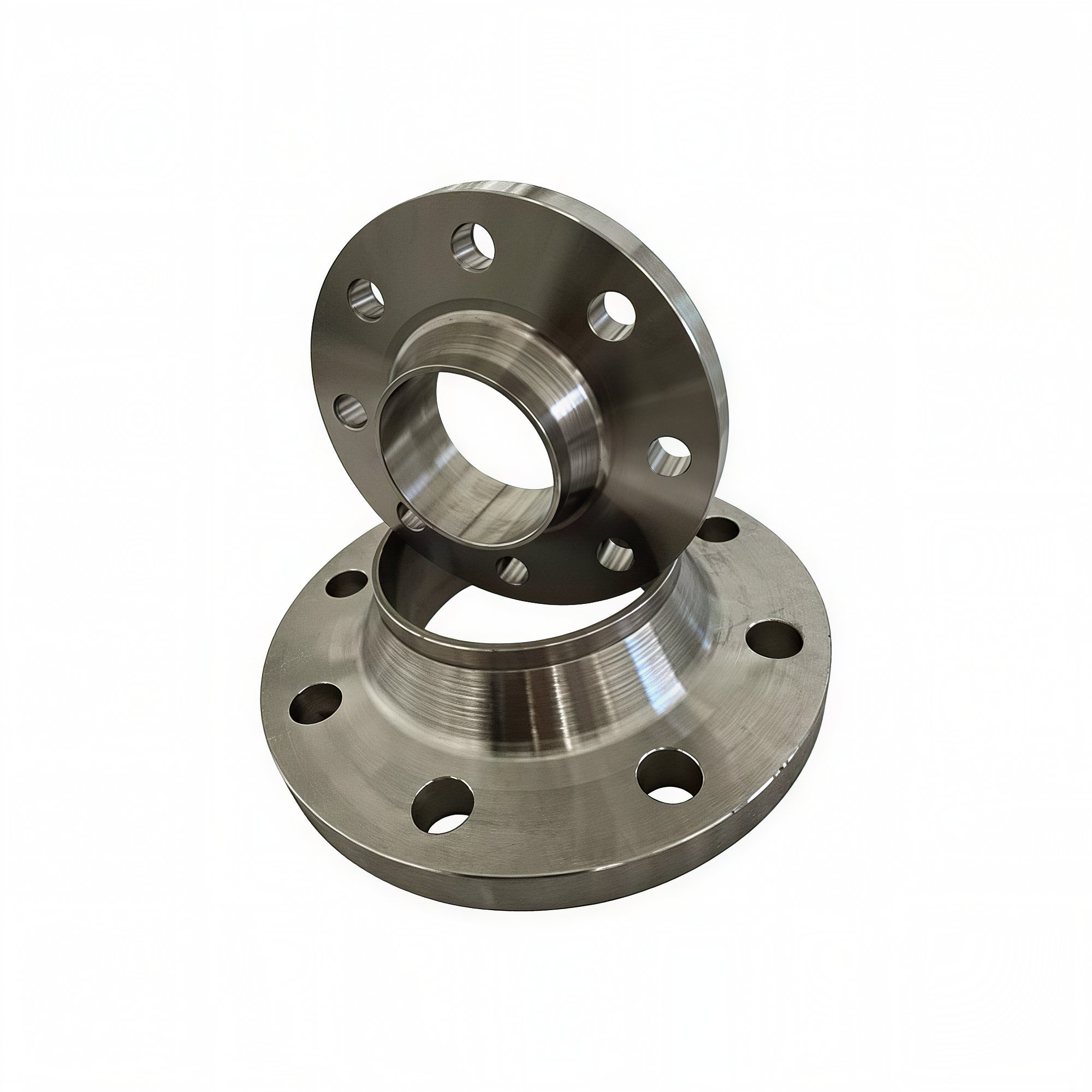
Introduction to Titanium Alloy Flanges
A Titanium Alloy Flange serves as a critical detachable connection component for industrial piping, pressure vessels and process equipment. It provides rigid alignment, uniform sealing force and convenient disassembly for inspection and maintenance. Unlike conventional carbon steel and stainless steel flanges, QYX titanium flanges are forged and then processed by precision CNC machining. We support Grade 2 pure titanium, Grade 5 (Ti‑6Al‑4V) and custom alloy grades, with full material traceability and certified material test reports. Our quality framework is consistent with the strict standards applied to Aircraft Titanium Material and Aircraft Titanium Fasteners, making these flanges suitable for high-spec engineering systems that demand zero leakage risk. Every flange is available in multiple configurations: weld neck, slip-on, blind, threaded, flat face, raised face and ring joint face, fully compatible with matching titanium pipes and Titanium Fittings.
Historical Context and Evolution
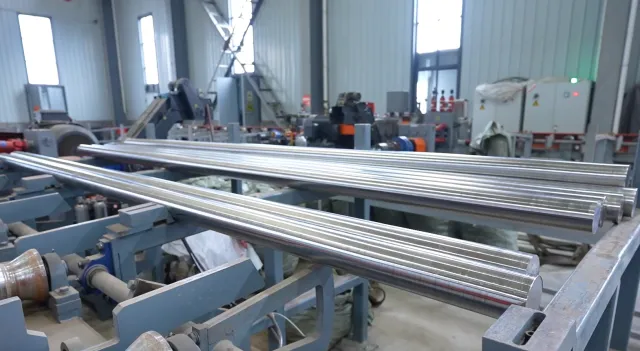
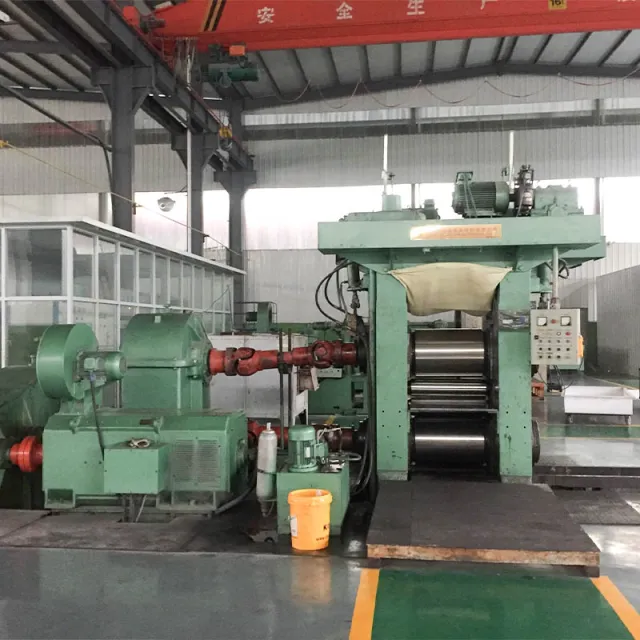
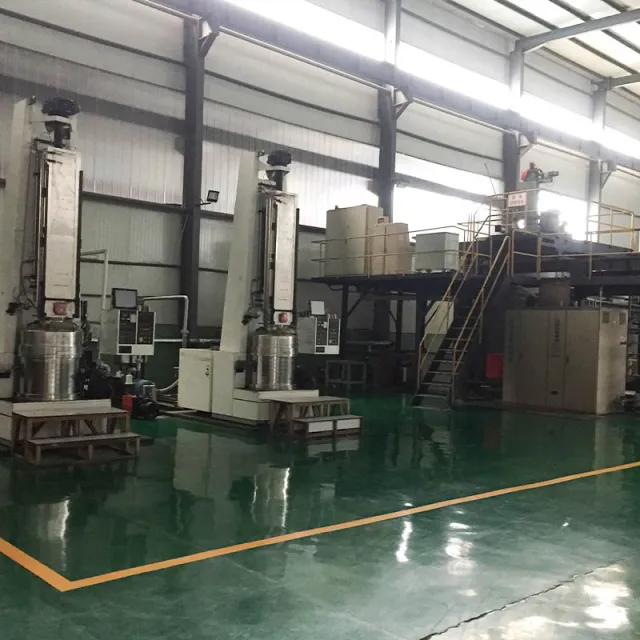
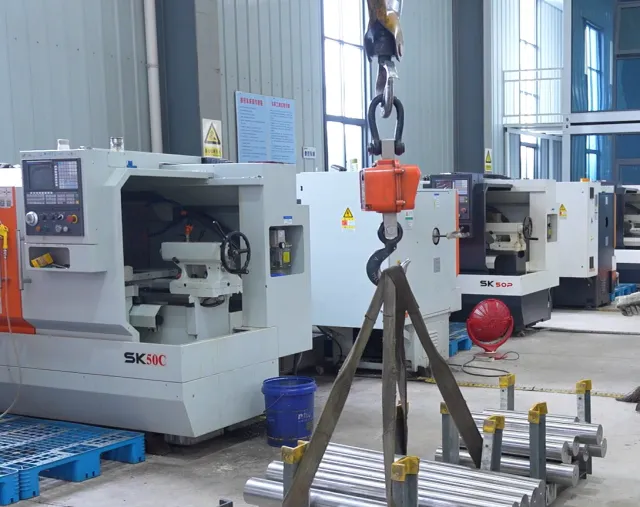
Titanium moved from laboratory material to mainstream engineering hardware in the mid‑20th century, initially driven by aerospace demand for lightweight, heat-resistant structural parts. Early titanium connection components were expensive and limited to military and aviation projects. As forging, vacuum melting and precision machining technologies matured, titanium gradually entered chemical, marine and energy markets. Traditional flanges were built around low-cost ferrous metals, but their corrosion weakness forced engineers to accept frequent replacement and downtime. Today, advanced forging and digital inspection technologies have greatly stabilised batch consistency of Titanium Alloy Flange. At QYX METAL, founded in 2019, our R&D team continues to optimise production processes, drawing technical experience from Titanium Forgings and Medical Titanium Alloy development. Our factory is equipped with multi-axis CNC stations, spectrometers and non-destructive testing equipment to scale reliable titanium connection solutions for commercial and industrial buyers worldwide.
Unique Properties of Titanium Alloys
Titanium alloys possess a rare combination of material properties that set them apart from competing structural metals. A self-renewing passive oxide film naturally forms on the surface, delivering inherent resistance to seawater, chloride, acid and alkali media. Titanium features an exceptional strength-to-weight ratio, remains tough at cryogenic temperatures and retains stable mechanical performance under elevated temperatures. It is non-magnetic and non-toxic, suitable for clean process environments such as pharmaceutical and food processing. Our engineering team carefully controls metallurgical structure during forging and heat treatment. Lessons learned from Titanium Auto Part lightweight development help us balance mechanical performance and weight reduction for each Titanium Alloy Flange. These intrinsic properties form the core reason titanium alloys are widely recognised as the future material for demanding engineering systems.
Advantages Over Traditional Materials
Comparing Titanium Alloy Flange against carbon steel, stainless steel and duplex steel flanges reveals clear engineering advantages:
- Superior corrosion resistance, eliminating rust, pitting and crevice corrosion in chloride and acidic environments
- High strength with low density, cutting dead load of piping assemblies without sacrificing structural safety
- Stable performance across wide temperature ranges, from cryogenic service to high-temperature process loops
- Non-magnetic and contamination-free for sanitary, medical and precision instrument systems
- Longer service cycles, reducing shutdown frequency, spare part inventory and maintenance labour cost
- Compatible with strict international standards including ASME B16.5, ASTM B381 and ASTM B363
While the upfront procurement cost is higher than standard steel flanges, total cost of ownership is far more competitive for assets deployed in remote, offshore or hard-to-access locations.
Applications in Aerospace Engineering
Aerospace engineering is one of the earliest and most stringent application fields for titanium components. Aircraft Titanium Material and Aircraft Titanium Fasteners have long been used for airframe, hydraulic and environmental control systems. Our Titanium Alloy Flange extends this reliability to ground test benches, cryogenic fuel piping and auxiliary fluid circuits for aerospace facilities. Light weight helps reduce payload burden for ground support carts, while corrosion resistance prevents fluid contamination. QYX supports OEM and custom drawing orders for aerospace suppliers, providing full MTC documentation and third-party inspection reports to meet audit requirements from prime contractors and tier‑one manufacturers.
Impact on Automotive Industry
The global automotive industry is pushing for lightweighting, emission reduction and new energy vehicle upgrades. Titanium Auto Part solutions are increasingly adopted for exhaust systems, suspension components and fluid pipeline assemblies. Titanium Alloy Flange is ideal for high-temperature exhaust loops, hydrogen fuel cell piping and thermal management systems. Compared with stainless steel, titanium reduces component weight and resists thermal oxidation and condensate corrosion. Our team can develop custom flange profiles for prototype validation and low-volume performance vehicle projects, coordinating with automotive OEMs and tier suppliers to match packaging space, pressure rating and thermal cycle requirements.
Role in Marine Engineering Innovations
Marine and offshore engineering represents one of the most punishing operating environments for metal piping. Seawater, brine, biofouling and chloride ions quickly erode ordinary steel flanges. Our Grade 2 and Grade 5 Titanium Alloy Flange is widely used for seawater desalination skids, subsea auxiliary piping, ballast systems and offshore process modules. Titanium’s passive oxide film continuously rebuilds itself even after surface scratches, minimising failure risk for unmanned subsea hardware. QYX’s marine-grade titanium flanges are often supplied together with Titanium Fittings as a complete piping connection package for EPC contractors and marine equipment manufacturers.
Advancements in Construction and Architecture
Modern architecture and advanced construction projects increasingly adopt titanium for facade, structural support and specialised process piping. Coastal buildings, waterfront facilities and zero‑maintenance landmark structures benefit from titanium’s anti-corrosion and fade-free surface properties. In industrial construction, modular process skids, clean-room piping and high-end utility systems specify Titanium Alloy Flange where long service life and low maintenance are core design goals. Titanium also offers unique aesthetic potential for exposed structural connection parts, a characteristic we leverage alongside our Titanium Outdoor Gears product development experience for surface finishing optimisation.
Environmental Benefits and Sustainability
Titanium is fully recyclable without material property degradation, which aligns perfectly with global ESG and low-carbon engineering trends. The long service life of Titanium Alloy Flange cuts raw material consumption and waste generated from frequent component replacement. Less maintenance travel and fewer shutdowns also lower carbon emissions from field service operations. Unlike coated or lined steel alternatives, titanium does not release paint flakes or anti-corrosion chemicals into process media. QYX METAL prioritises clean production workflows in our Baoji factory, optimising forging yield and machining scrap recycling to reduce the environmental footprint of every batch of titanium products we ship.
Future Trends and Developments
Multiple powerful trends are accelerating titanium adoption in engineering: hydrogen energy infrastructure, carbon capture systems, offshore wind and floating energy projects, modular process skid manufacturing, and advanced medical equipment. Design engineers are shifting from lowest upfront cost procurement to performance-based material specification. Digital twin simulation, AI-assisted fatigue modelling and automated NDT inspection will further improve joint reliability prediction for Titanium Alloy Flange. Buyers increasingly prefer one-stop manufacturers capable of supplying matched Titanium Materials, Titanium Forgings, flanges and fittings with unified documentation. QYX will continue R&D investment on custom alloy grades and near-net-shape forging to shorten lead times for prototype and new energy engineering clients.
Industry Standard科普: Quality & Safety Specifications
Global engineering teams rely on established standards to validate Titanium Flange interchangeability and safety:
- ASME B16.5: Governs flange dimensions, pressure-temperature ratings and sealing face geometry
- ASTM B381: Specification for titanium alloy forgings, chemical composition and mechanical requirements
- ASTM B363: Standard for seamless and welded titanium fittings
- ISO9001: QYX’s core quality management certification, supplemented by TUV and BV third-party audits
All material test certificates, dimensional inspection sheets and third-party test reports are available on RFQ submission for engineering submittals and customer audits.
New Technology R&D & Application Updates
Global titanium R&D concentrates on near-net-shape forging technology, controlled vacuum heat treatment, intelligent non-destructive testing and surface functional modification to enhance anti-fouling performance for marine and brine environments. Digital traceability platforms now link every finished component back to raw billet chemistry, forging parameters, machining logs and inspection results, which is critical for regulated aerospace, pharmaceutical and subsea projects. Advanced simulation tools model gasket stress distribution, thermal cycling fatigue and galvanic corrosion risk before production begins, helping engineers avoid joint design errors. QYX’s in-house R&D team transfers material insights from Aircraft Titanium Material and Medical Titanium Alloy programmes into our Titanium Alloy Flange production lines. We are developing optimised heat treatment recipes for custom titanium grades and expanding our batch traceability system to support traceability requirements for high-reliability engineering buyers in Europe and North America. Our team also runs continuous testing on mixed-metal joint protection schemes to provide customers with complete connection design recommendations, reducing trial-and-error cost during prototype and pilot project phases.
Five Core Concerns of B2B Procurement Managers Sourcing Titanium Alloy Flanges
Professional B2B procurement managers for engineering manufacturers and distributors assess Titanium Alloy Flange suppliers around five decisive priorities beyond unit price. First, complete material traceability and verifiable certification packages are mandatory for regulated sectors such as aerospace, subsea and pharmaceutical manufacturing, where auditors require MTCs matching exact alloy grades and heat lots. Second, strict compliance with ASME and ASTM standards guarantees interchangeability with international piping components and eliminates expensive rework during skid assembly and site installation. Third, flexible OEM and ODM customisation capacity is essential, as advanced engineering prototypes and pilot systems frequently require non-standard sizes, special sealing profiles and small urgent batches. Fourth, stable lead times and responsive technical support directly affect project schedules; delayed piping hardware can halt prototype testing, offshore mobilisation and new equipment launch plans. Fifth, consolidated supply capability delivers major efficiency gains, since procurement teams prefer manufacturers that can bundle Titanium Alloy Flange with Titanium Fittings, Titanium Forgings and other Titanium Materials rather than coordinating multiple separate metal vendors. QYX METAL structures quotation workflows, document packages and production planning around these five priorities for European and North American OEMs, system integrators and industrial distributors.
Product Use & Maintenance Guidance for Titanium Alloy Flanges
Correct handling, installation and routine maintenance protect the passive oxide film and precision sealing surface, extending service life:
- Prevent iron contamination: Keep carbon steel tools, steel brushes and ferrous debris away from titanium sealing faces.
- Inspect sealing grooves and contact surfaces before assembly; reject flanges with deep scratches or embedded grit.
- Clean only with chloride-free neutral cleaners and lint-free non-metallic wipes.
- Store flanges indoors with protective caps covering sealing surfaces; separate from carbon steel stock by plastic or wooden spacers.
- Use cross-pattern incremental bolt torque sequence following ASME recommended tightening procedure.
- Avoid applying grease or lubricant directly onto gasket seating sealing surfaces.
- Fit approved isolation gaskets if titanium flanges must connect to dissimilar metals in wet chloride environments.
FAQ: Frequently Asked Questions for Engineering Buyers
Q1: Which titanium alloy grades can QYX supply for engineering flange projects?
A1: Standard options include Grade 2 commercially pure titanium and Grade 5 (Ti‑6Al‑4V). Custom alloy grades can be developed and manufactured for special media or temperature requirements.
Q2: Can you produce titanium alloy flanges according to customer engineering drawings?
A2: Yes, we support full OEM and ODM precision machining. Send drawings, pressure class, applicable standard and quantity together with your RFQ for formal quotation.
Q3: Can titanium flanges connect directly with stainless steel piping?
A3: Direct contact in wet chloride environments creates galvanic corrosion risk. Contact our engineering team for isolation gasket and joint design guidance.
Q4: What certification documents can you provide for project submittals?
A4: ISO9001, TUV and BV certificates, material test certificates, dimensional inspection reports and third-party test reports are available upon request.
Q5: What is the typical lead time for custom titanium alloy flanges for engineering prototype projects?
A5: Lead time depends on complexity, quantity and raw material availability. Email Negan@qyx-metal.com with your specifications for accurate lead time confirmation.
Conclusion
Titanium Alloy Flange is not merely an upgraded piping connector, but a foundational component enabling the next generation of high-performance engineering systems. Its unmatched corrosion resistance, excellent strength-to-weight ratio, stable performance across extreme temperature ranges and non-toxic, non-magnetic properties make it indispensable for aerospace, automotive, marine, new energy, chemical and clean-process projects. Supported by QYX METAL’s advanced manufacturing workshops, professional R&D team and complete certification system, we supply reliable Titanium Materials, Titanium Fittings, Titanium Forgings, Aircraft Titanium Material, Aircraft Titanium Fasteners, Medical Titanium Alloy and Titanium Auto Part for B2B engineering buyers worldwide. If your engineering project requires durable, leak-free Titanium Piping connections, send your drawings, specifications or RFQ to us today.
References
1. Wikipedia contributors. (2025). Titanium alloy. Wikipedia, The Free Encyclopedia.
2. Offshore Engineering Community. (2024). Titanium Flange Performance for Subsea and Marine Piping Systems. Reddit r/OffshoreEngineering
3. Material Engineering Forum. (2024). ASME B16.5 & ASTM B381 Specification Best Practices for Titanium Components. Quora Engineering Publication
4. International Journal of Advanced Engineering Materials. (2025). Corrosion and Fatigue Behaviour of Titanium Alloy Joints in Aggressive Industrial Environments.
Connect with QYX METAL
- Email: Negan@qyx-metal.com
- WhatsApp: +86 18791795597
- LinkedIn: https://www.linkedin.com/in/leon-li-80687933b/
- Facebook: https://www.facebook.com/profile.php?id=100085767445028
- YouTube: https://www.youtube.com/channel/UCKRZDvakWR3cWKV_IzVdusg
- Instagram: https://www.instagram.com/qyx_titanium/