
How Titanium Discs Enhance Aerospace and Medical Technologies
Introduction to Titanium Discs in Modern Technology
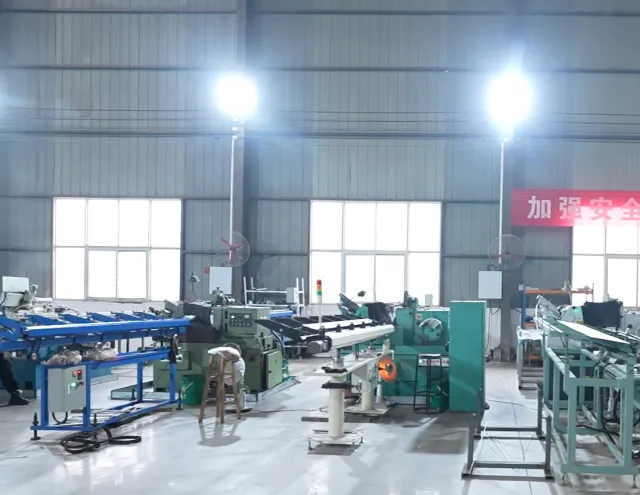
High-end manufacturing, especially aerospace and medical production, demands raw blanks that balance mechanical reliability, stable chemistry and long service life. Titanium Disc and titanium alloy Disc from QYX METAL CO., LTD serve as core semi-finished stock for these two high-regulation sectors. Our Premium High Precision Titanium Disc belongs to the Titanium Forgings product portfolio, alongside Aircraft Titanium Material, Medical Titanium Alloy, Titanium Fittings and Aircraft Titanium Fasteners for OEM and ODM buyers across North America and Europe. Located in Baoji, the China Titanium Valley, QYX runs standardized production workshops with hot forging lines, CNC precision machining centers and independent metallurgical labs. Our R&D team consists of senior titanium metallurgy engineers with rich alloy formulation experience; sustained R&D investment supports grain refinement optimization and custom grade development, with proprietary process know-how for low-interstitial forging blanks. All raw batches carry full MTC documentation for traceability, critical for aerospace and medical quality audits.
Properties of Titanium: Strength, Lightweight, Corrosion Resistance
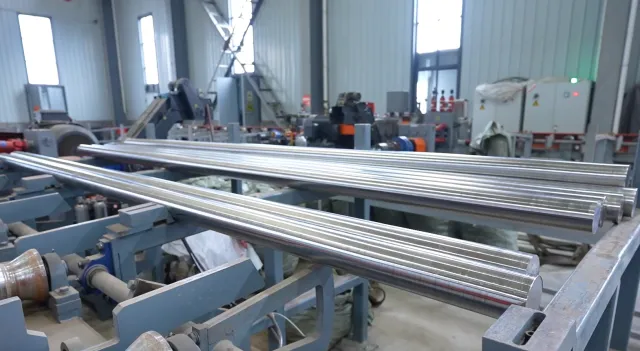
The unmatched material profile of titanium alloy is the foundation of its value for aerospace and medical engineering. A Titanium Alloy Disc delivers an outstanding strength-to-weight ratio, roughly 40% lighter than steel while retaining comparable structural strength. It spontaneously forms a self-healing passive oxide film, resisting chloride, saltwater, mild acid and body fluid corrosion. Titanium is non-magnetic and thermally stable at both cryogenic and moderately elevated temperatures. Unlike many stainless alloys, qualified Medical Titanium Alloy grades avoid toxic ion leaching, which makes these discs safe for permanent implant machining. For aerospace buyers, these traits reduce aircraft dead load and cut long-term corrosion maintenance, while medical OEMs gain blanks suitable for long-term tissue contact. QYX supplies Grade1, Grade2, Grade5 Ti‑6Al‑4V, Grade9 and Grade12 titanium disc grades to match different design specifications.
Manufacturing Processes for Titanium Discs
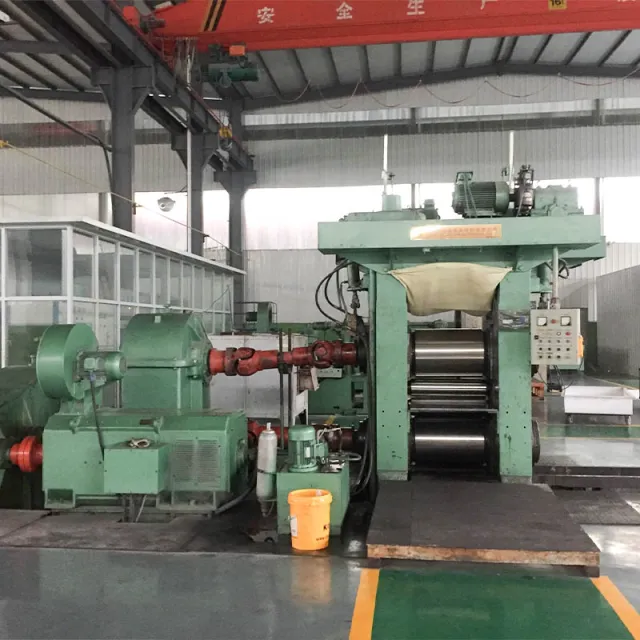
Not all titanium discs perform equally; forged stock outperforms cast or rolled alternatives for high-cycle aerospace and medical applications. Our Titanium Disc & Titanium Target follows a strict forging workflow:
- Raw billet inspection and sorting of certified Titanium Materials with traceable heat numbers
- Controlled hot forging for plastic deformation and initial grain refinement
- Precision heat treatment to relieve residual stress and homogenize internal grain structure
- Ultrasonic and penetrant non-destructive testing to eliminate porosity, shrinkage and internal defects
- Secondary CNC machining to lock flatness, parallelism, outer diameter and thickness within tight drawing tolerances
- Surface finishing: as-forged, rough machined or fine polished for downstream turning, milling and drilling
This forging route produces dense, uniform metallurgy with better tensile strength, fatigue resistance and impact toughness. QYX supports semi-finished forging blanks or fully finished precision discs per customer CAD drawings, with flexible OEM and ODM custom sizes.
Role of Titanium Discs in Aerospace Engineering
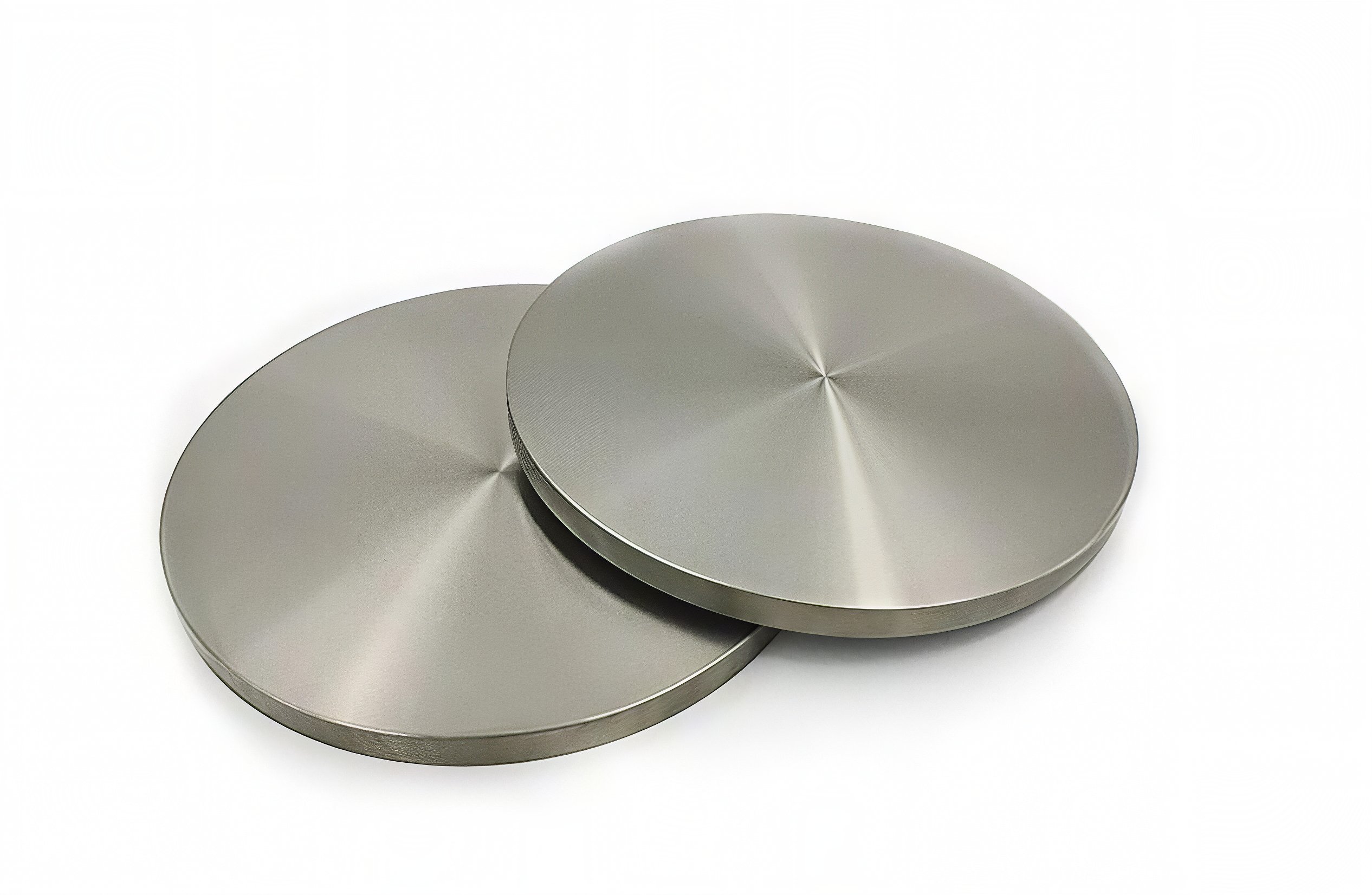
Aerospace engineering operates at the intersection of extreme stress, temperature cycling and strict weight budgets. Titanium Disc blanks are widely machined into rotating engine components, structural bulkhead pre-forms, hydraulic system parts and auxiliary rotating assemblies. In this sector, consistency of grain structure and zero internal defects are non-negotiable, as fatigue failure can trigger catastrophic safety risks. QYX forged titanium discs comply with ASTM B381 and can support additional aerospace traceability packages. Together with our Aircraft Titanium Fasteners and Aircraft Titanium Material series, these discs help aerospace manufacturers consolidate qualified titanium sourcing from one certified supplier instead of multiple middlemen.
Enhancing Aircraft Performance with Titanium Components
Lightweighting is the core driver of modern aircraft efficiency, and titanium alloy discs directly support this target. Replacing steel blanks with Titanium Alloy Disc reduces component mass without sacrificing load capacity, lowering fuel burn and raising allowable payload. Corrosion resistance also cuts scheduled overhaul cycles for parts exposed to coastal salt, deicing fluids and humid air. For regional jet, helicopter and general aviation OEMs, forged titanium blanks stabilize production yield, because predictable machining stock reduces scrap from uneven metallurgy. Many buyers pair titanium disc blanks with our Titanium Fittings to build complete corrosion-resistant fluid and structural subassemblies.
Titanium Discs in Spacecraft Design and Functionality
Spacecraft and satellite subsystems face vacuum, thermal cycling and radiation environments that rule out many common metals. Titanium alloy maintains mechanical integrity through repeated hot-cold swings and does not rely on protective coatings. Non-magnetic properties are vital for navigation, sensor and communication payloads where stray magnetic fields skew measurement accuracy. QYX R&D continuously optimizes low-interstitial forging processes to support prototype space hardware buyers, with custom grain control for high-reliability space-grade blanks. While space volumes are often low-run, we maintain flexible small-batch CNC machining for research and satellite component projects.
Medical Applications: Biocompatibility and Durability of Titanium
Biocompatibility defines the suitability of metal blanks for human-body contact, and titanium remains the gold standard for permanent implant raw stock. Unlike steel or cobalt alloys, high-grade titanium forms a stable oxide barrier that resists bodily fluid corrosion and rarely triggers allergic reactions. It also supports osseointegration, allowing bone tissue to bond naturally to machined implant surfaces. Our Medical Titanium Alloy discs serve as CAD/CAM blanks for orthopedic plates, spinal fixation parts, dental milling bases and surgical instrument components. Medical OEM buyers require batch traceability, clean surface handling and optional ISO 10993 supporting documentation, all available on request from QYX quality control.
Use of Titanium Discs in Surgical Implants
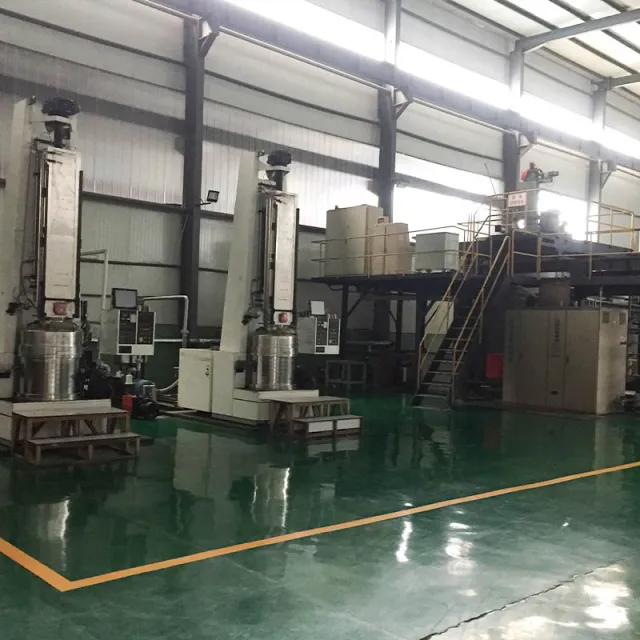
Orthopedic, trauma and dental implant manufacturers rely on precision titanium disc blanks for high-volume CNC milling. Grade5 Ti‑6Al‑4V is widely used for load-bearing implants, while commercially pure Grade1 and Grade2 suit less stressed dental and reconstructive components. Surface cleanliness is critical: polished titanium disc stock avoids embedded contamination that could compromise biocompatibility. QYX separates medical-grade blank production workflows to prevent cross-contamination with industrial alloy batches, and we can supply special packaging for cleanroom incoming stock. Every shipment includes dimensional reports and material certificates for medical device audit trails.
Advancements in Medical Devices Using Titanium Technology
Modern medical device development pushes toward miniaturized implants, patient-specific custom implants and long-term wearable surgical hardware. Near-net-shape forged Titanium Disc reduces machining waste and shortens CNC cycle times for custom patient-matched parts. New surface modification techniques including anodization and micro-rough passivation improve bone integration rates, and QYX’s technical team collaborates with medical OEMs to adjust blank tolerances for these post-machining surface treatments. Beyond implants, titanium discs are also machined into diagnostic instrument housings and surgical tool bases that need sterilization stability through repeated autoclave cycles.
Future Innovations: Expanding Uses for Titanium Discs
The application boundary for Titanium Alloy Disc continues expanding beyond classic aerospace and medical markets. Hydrogen energy systems, offshore wind turbine components, advanced robotics and lightweight Titanium Auto Part programs are all adopting titanium for corrosion and fatigue performance. Hybrid workflows combining forged titanium blanks with additive finishing are gaining traction, merging the dense forging core with complex near-net geometries. QYX’s R&D roadmap covers low-cost grain-refined forging and special alloy development, alongside parallel product development for Titanium Outdoor Gears and Titanium Bicycle Parts that share the same strict forging and inspection standards.
Buyer Focus: Top 5 Concerns for Western B2B Titanium Procurement Managers
Procurement managers sourcing Titanium Disc and Titanium Alloy Disc for aerospace and medical OEM programs prioritize five core criteria. First is full material traceability with verifiable heat numbers, MTC and batch records to satisfy regulated audit requirements, without generic grade-only documentation. Second is consistent dimensional stability, because out-of-spec flatness, parallelism or thickness creates high scrap rates during downstream CNC machining of high-value aerospace and medical components. Third is alignment with relevant industrial standards such as ASTM B381, ISO9001, TUV and BV, with additional AMS or ISO 10993 documentation available for specialized sectors. Fourth is reliable custom capacity, including small prototype runs, mid-volume production and clear lead time visibility for repeat release orders. Fifth is responsive third-party testing support, including UT, PT and mechanical testing, plus direct engineering support for drawing review before formal RFQ quotation.
New Technology R&D and Application Updates
Metallurgical advances are reshaping how titanium disc forgings are specified and processed for aerospace and medical customers. Controlled grain refinement near-net-shape forging cuts machining allowance and raw material waste, lowering total component cost while preserving forged fatigue performance. Low-interstitial Grade9 and Grade12 alloy variants are being deployed for compact hydrogen valve blanks and minimally invasive medical implants that balance ductility and corrosion resistance. Combined forging and additive hybrid manufacturing allows complex internal features to be built onto dense forged titanium disc substrates, ideal for next-generation satellite and surgical hardware. QYX’s in-house R&D team continuously tests optimized forging curves and stress-relief schedules to deliver low-residual-stock blanks, while developing compatible surface preparation workflows for medical anodization and aerospace coating pre-treatment.
Industry Trend Interpretation
Two major demand forces lift consumption of aerospace and medical titanium forgings globally: aviation lightweighting and demographic growth in implant procedures. Commercial and defense aerospace programs keep raising titanium content per airframe to cut emissions and extend service life. The orthopedic and dental implant market expands as aging populations increase demand for reconstructive surgery. Meanwhile, supply chain risk management pushes qualified OEM buyers away from spot trading toward long-term frame contracts with integrated forging manufacturers who own heat treatment, NDT and CNC capacity. Suppliers that can supply Titanium Forgings, maintain full documentation and support both aerospace and medical qualification will capture more stable order share over pure material traders.
Product Usage & Maintenance Guidelines
- Storage: Keep titanium discs in dry, low-humidity storage; separate from dissimilar metals to avoid galvanic contamination. Medical-grade blanks require sealed, lint-free packaging.
- Machining: Use carbide cutting tools and adequate coolant; avoid overheating cutting zones, as oxygen/nitrogen contamination from excessive heat degrades corrosion and fatigue performance.
- Handling: Wear clean, powder-free gloves for medical and polished aerospace stock. Prevent edge impacts that create stress raisers.
- Post-machining: Fully remove cutting fluids and residues before sterilization or coating steps. Passivation can restore the protective oxide layer if surface contamination occurs.
- Inspection: Perform dimensional check and visual inspection before loading into production. Schedule UT/PT inspection for critical aerospace and implant forgings per project specification.
Industry Standard Knowledge: Quality & Safety Specifications
The primary governing specification for our forged titanium discs is ASTM B381, covering chemical composition, mechanical testing, heat treatment and sampling rules for titanium and titanium alloy forgings. Supporting standards include ASTM B348 for raw Titanium Bar feedstock, ASTM E165 for liquid penetrant inspection and ASTM A388 for ultrasonic testing. Aerospace projects often reference AMS alloy specifications, while medical blanks may need ISO 10993 biocompatibility evaluation. QYX holds ISO9001, TUV and BV certification, and we can issue MTC to EN 10204 3.1 or 3.2 upon request for regulated customer programs.
FAQ
Q1: What titanium alloy grades are suitable for aerospace and medical titanium discs?
A: Grade 1 and Grade 2 pure titanium suit dental and low-load medical parts; Grade 5 Ti‑6Al‑4V is the most common aerospace and orthopedic grade; Grade 9 and Grade12 are selected for special corrosion and ductility requirements.
Q2: Can QYX produce titanium discs to aerospace and medical customer drawings?
A: Yes, we provide OEM & ODM custom forging and CNC machining, with tailored tolerances, surface finish and packaging for aerospace or medical quality systems.
Q3: What inspection documents are supplied with titanium disc shipments?
A: Standard delivery includes material test certificates, heat treatment records and dimensional inspection reports; UT, PT and third-party lab reports can be arranged.
Q4: Why choose forged titanium discs instead of rolled Titanium Plate cut blanks?
A: Hot-forged discs have refined, uniform grain structure, higher fatigue resistance and fewer internal defects, which is essential for rotating aerospace components and permanent surgical implants.
Q5: How to submit an RFQ for aerospace or medical titanium alloy discs?
A: Send engineering drawings, required alloy grade, tolerance, surface finish, quantity and compliance requirements to Negan@qyx-metal.com or WhatsApp +86 18791795597.
Conclusion
Titanium Disc and Titanium Alloy Disc are foundational enabling components for modern aerospace and medical technology, merging lightweight strength, corrosion stability and proven biocompatibility. QYX METAL CO., LTD, a China Titanium Valley manufacturer, supplies premium Titanium Disc & Titanium Target , Titanium Forgings, Aircraft Titanium Material and Medical Titanium Alloy with full traceability, certified inspection and custom machining capacity. If your aerospace OEM, medical device workshop or authorized distributor needs reliable forged titanium blanks, share your drawings and compliance checklist for a formal quotation.
References
ASTM International. (2019). ASTM B381‑13(2019), Standard Specification for Titanium and Titanium Alloy Forgings. ASTM International, West Conshohocken, PA. Wikipedia Contributors. (2025, Dec 12). Titanium alloy. Wikipedia. Titanium Engineering Forum. (2026, May 18). Best Practices for Sourcing Forged Titanium Disc Blanks for Medical Implants. Reddit Metallurgy Community, contributor: AeroMedSourcing. Industrial Materials Advisor. (2026, Aug 2). Titanium Forging Traceability for Regulated Aerospace Buyers. Quora B2B Material Sourcing thread.
Follow QYX METAL
Facebook: https://www.facebook.com/profile.php?id=100085767445028
YouTube: https://www.youtube.com/channel/UCKRZDvakWR3cWKV_IzVdusg
Instagram: https://www.instagram.com/qyx_titanium/
LinkedIn: https://www.linkedin.com/in/leon-li-80687933b/