Titanium vs Aluminum: 7 Reasons to Go with Titanium Discs
Introduction: Understanding the Importance of Material Choice
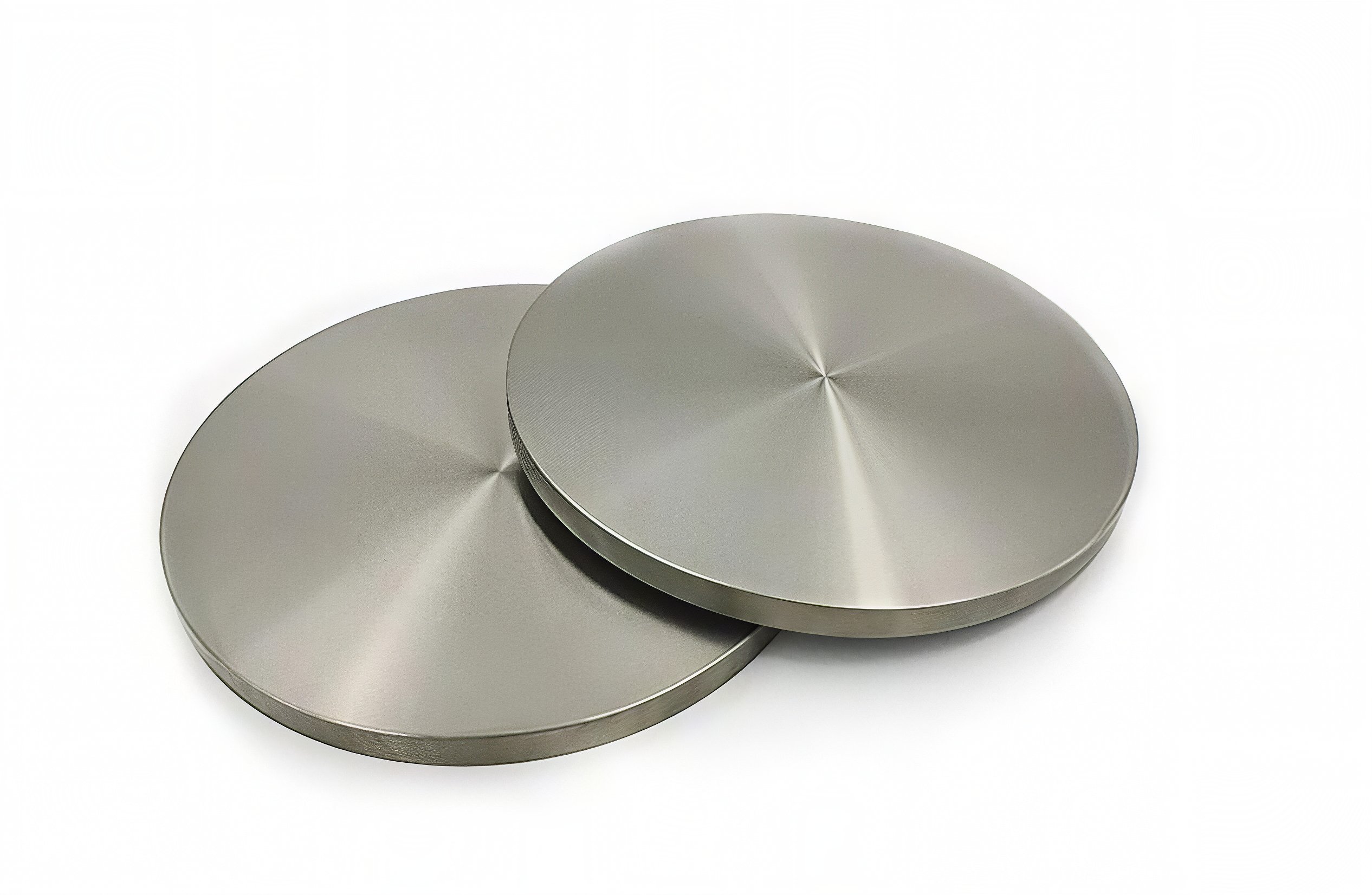
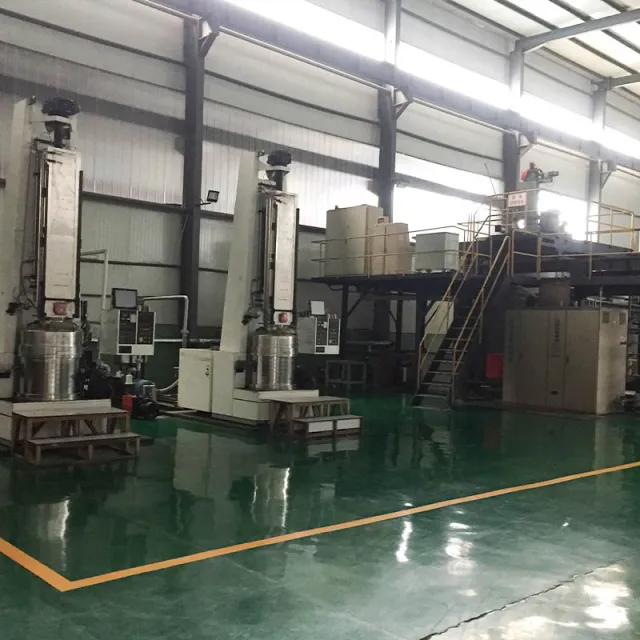
For B2B procurement managers selecting raw blanks for high-end manufacturing, the decision between aluminum and Titanium Disc or titanium alloy Disc shapes component reliability, maintenance cycles and total ownership cost. Aluminum is widely loved for low upfront cost and excellent heat dissipation, but it hits hard limits in fatigue life, chloride corrosion and extreme temperature stability. QYX METAL CO., LTD, based in Baoji, the China Titanium Valley, supplies Premium High Precision Titanium Disc within our Titanium Forgings lineup. Our portfolio also includes Aircraft Titanium Material, Medical Titanium Alloy, Titanium Fittings, Aircraft Titanium Fasteners and Titanium Auto Part for OEM and ODM customers across North America and Europe. Our factory occupies a modern industrial zone with hot forging workshops, CNC machining centers, heat treatment lines and independent metallurgical labs. Our R&D team consists of senior metallurgical engineers with decades of alloy development experience; continuous R&D investment supports grain refinement process optimization and custom grade formulation, with proprietary know-how for low-defect forged titanium blanks. Every batch of our Titanium Disc & Titanium Target carries full MTC documentation for complete traceability.
Weight and Strength: Titanium’s Superior Balance
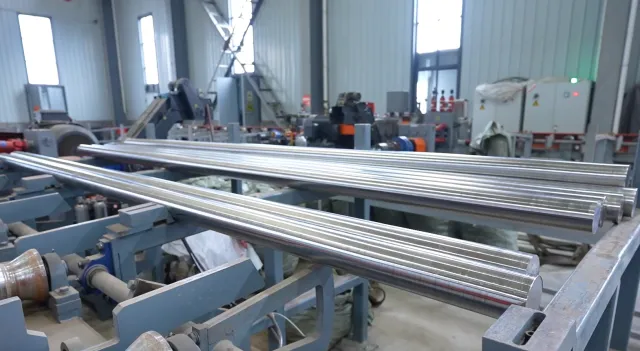
Aluminum is lighter by raw density, but Titanium Alloy Disc delivers a far better strength‑to‑weight ratio. Grade 5 Ti‑6Al‑4V titanium reaches tensile strength near 900 MPa, outperforming high‑strength 7075‑T6 aluminum alloy, which tops out around 570 MPa. This means designers can use thinner, smaller titanium disc blanks while retaining higher load capacity. For rotating aerospace components, offshore equipment and high‑stress Titanium Auto Part assemblies, this balance cuts dead load without sacrificing safety margins. QYX forged titanium discs pass grain refinement and heat treatment, eliminating porosity and shrinkage defects common in cast stock, delivering consistent mechanical performance that rolled aluminum blanks struggle to match in cyclic load applications.
Corrosion Resistance: Titanium’s Longevity Advantage
Both metals form an oxide layer, but titanium’s passive TiO₂ film is self‑healing and far more stable in aggressive media. A Titanium Disc resists seawater, chlorides, mild acids, alkalis and body fluids, while aluminum’s oxide layer easily breaks down in saltwater and acidic environments, leading to pitting and crevice corrosion. Aluminum parts often require coatings, anodization and regular rework; titanium forgings maintain performance without extra surface protection for most marine, chemical and medical service conditions. This advantage is decisive for seawater desalination equipment, chemical pump blanks and Medical Titanium Alloy implant stock, where hidden corrosion can trigger premature failure or biocompatibility risks.
Thermal Conductivity: Titanium’s Heat Management Benefits
Aluminum conducts heat rapidly, making it ideal for radiators and heat sinks. However, low thermal conductivity becomes an advantage for many high‑end applications. Titanium Alloy Disc holds stable mechanical properties across wide temperature swings, performing reliably under both cryogenic and moderately high‑temperature cycling. It resists thermal softening that weakens aluminum alloys at elevated temperatures, making it suitable for aerospace rotating parts, petrochemical pressure components and exhaust‑adjacent assemblies. Machining teams should note that titanium traps cutting heat, so carbide tooling and sufficient coolant are required for CNC turning and milling of our precision blanks.
Durability: Titanium’s Resistance to Wear and Tear
One of the biggest engineering gaps is fatigue performance. Aluminum alloys have no true fatigue limit; repeated cyclic stress will eventually cause crack growth and failure. By contrast, titanium features a clear fatigue limit. If operating stress stays below this threshold, a forged Titanium Disc can endure nearly infinite load cycles without fatigue fracture. This is critical for turbine‑style rotating parts, pump rotors, aircraft structural pre‑forms and orthopedic implant blanks. QYX hot forging refines grain structure uniformly, boosting impact toughness and wear resistance versus cut aluminum plate stock. Our discs can be supplied as forged, rough machined or finely polished to match downstream turning, milling and drilling workflows.
Performance Efficiency: Enhanced Output with Titanium Discs
Superior strength, fatigue stability and corrosion resistance translate directly to better equipment uptime. Systems built with Titanium Alloy Disc blanks run continuously in harsh environments with fewer unplanned shutdowns. Lighter but stronger titanium components reduce bearing load, vibration stress and energy consumption for rotating machinery. Aerospace OEMs use titanium blanks to cut aircraft weight and improve fuel efficiency; marine and new‑energy manufacturers reduce overhaul frequency for offshore and desalination hardware. When paired with our Titanium Fittings, customers can source a fully corrosion‑resistant subassembly system from one certified supplier.
Cost-Effectiveness: Long-Term Savings with Titanium
Aluminum has a lower initial purchase price, but lifecycle cost often favors Titanium Disc. Aluminum parts need frequent inspection, coating repair and early replacement in corrosive or cyclic‑stress environments. Forged titanium forgings extend service life, cut spare‑part inventory and reduce labor for maintenance. QYX supports flexible OEM & ODM custom production: we adjust diameter, thickness, flatness, parallelism and surface finish per customer drawings. We also offer complete inspection records and third‑party testing, helping regulated buyers avoid expensive scrap and qualification delays over multi‑year production runs.
Environmental Impact: Sustainability of Using Titanium Discs
Titanium is fully recyclable without major degradation of alloy properties. Long service life lowers the frequency of part replacement, reducing raw‑material consumption and manufacturing emissions over the asset lifecycle. Aluminum recycling is also mature, but the higher failure rate of aluminum in corrosive or fatigue‑heavy applications increases replacement volume. As global manufacturers push for circular supply chains, durable Titanium Alloy Disc blanks align with sustainability targets for aerospace, marine and medical OEMs. QYX optimizes forging workflows to reduce machining allowance and material waste, lowering the carbon footprint of each finished blank for our global customers.
Buyer Focus: Top 5 Concerns for Western B2B Titanium Procurement Managers
Procurement managers sourcing Titanium Disc and Titanium Alloy Disc compare against aluminum and prioritize five core requirements. First, verifiable material traceability with heat numbers, MTC and batch documentation, which aluminum suppliers often provide in simplified form but is non-negotiable for regulated aerospace and medical programs. Second, stable dimensional tolerance control for flatness, parallelism and thickness, because inconsistent blank geometry raises CNC scrap rates far more for high-value titanium than cheaper aluminum. Third, alignment with ASTM B381, ISO9001, TUV and BV certification, plus support for AMS or ISO 10993 documentation where required. Fourth, flexible capacity covering prototype small runs, mid-volume release orders and transparent lead times, especially when switching from aluminum to titanium for new product iterations. Fifth, accessible third-party NDT testing, mechanical property verification and responsive engineering support for drawing review before RFQ submission.
New Technology R&D and Application Updates
Metallurgical innovation continues to narrow the practical performance gap between titanium and aluminum for lightweight manufacturing. Near‑net‑shape forging reduces machining stock removal and waste, cutting the total component cost premium for Titanium Alloy Disc compared with cut aluminum plate. Low‑interstitial Grade 9 and Grade 12 titanium alloys balance ductility and corrosion resistance for compact hydrogen valve and minimally invasive medical blanks. Hybrid forging plus additive manufacturing workflows combine dense forged titanium core structures with complex printed features for aerospace and satellite hardware. QYX’s R&D team tests optimized forging curves and stress‑relief schedules to deliver low‑residual‑stress blanks, while developing compatible surface preparation workflows for medical anodization and aerospace coating pre-treatment. The same forging expertise also supports new product lines including Titanium Outdoor Gears and Titanium Bicycle Parts.
Industry Trend Interpretation
Two major trends drive the shift from aluminum to titanium disc blanks in high‑end manufacturing: stricter emissions and efficiency rules for aerospace and new energy, plus rising demand for long‑life corrosion‑resistant components. Aerospace OEMs increase titanium content to cut aircraft weight and fuel burn. Marine, offshore wind and desalination projects move away from coated aluminum to reduce maintenance downtime. Medical device makers prioritize biocompatible titanium over aluminum for implant blanks. Meanwhile, procurement teams shift from simple spot purchasing of low‑cost aluminum toward qualified long‑term supplier partnerships. Integrated manufacturers that offer Titanium Forgings, CNC secondary machining and full compliance documentation win preference over metal traders that only supply raw aluminum or titanium stock.
Product Usage & Maintenance Guidelines
- Storage: Store Titanium Disc blanks in dry, low‑humidity areas. Separate titanium from bare aluminum and other dissimilar metals to avoid galvanic coupling risks.
- Machining: Use carbide cutting tools and abundant coolant. Avoid overheating the cutting zone; high heat causes oxygen/nitrogen contamination and degrades fatigue and corrosion resistance.
- Handling: Wear clean gloves for polished and medical‑grade blanks. Prevent edge impacts that create stress raisers and crack initiation points.
- Post‑processing: Remove all cutting fluids and residues before coating, sterilization or long‑term storage. Passivation can restore the protective oxide layer if surface contamination occurs.
- Inspection: Run dimensional and visual checks before loading into production. Schedule UT/PT non‑destructive testing for critical rotating and medical forgings per project specifications.
Industry Standard Knowledge: Quality & Safety Specifications
The primary governing specification for our forged titanium discs is ASTM B381, which defines chemical composition limits, mechanical testing requirements, heat treatment rules and sampling protocols for titanium and titanium alloy forgings including disc blanks. Supplementary standards include ASTM B348 for Titanium Bar billet feedstock, ASTM E165 for liquid penetrant inspection and ASTM A388 for ultrasonic testing. Aluminum parts commonly reference AA and ISO aluminum standards, which have less strict fatigue and internal defect requirements. QYX holds ISO9001, TUV and BV certification, and we can supply MTC certificates to EN 10204 3.1 or 3.2 for aerospace, medical and marine customer audits.
FAQ
Q1: When should I choose aluminum instead of titanium discs?
A: Aluminum works best for low‑stress, dry environments where high thermal conductivity, fast machining and low initial cost are your top priorities, such as simple heat sinks and non‑cyclic general structural plates.
Q2: What titanium grades are available for your titanium alloy discs?
A: QYX supplies Grade1, Grade2, Grade5 (Ti‑6Al‑4V), Grade9 and Grade12, matching aerospace, marine, chemical and medical design requirements.
Q3: Why choose forged titanium discs instead of aluminum plate cut parts?
A: Forged titanium discs have refined, uniform grain structure, a true fatigue limit and superior chloride corrosion resistance, critical for rotating assemblies, offshore hardware and permanent medical blanks.
Q4: Can QYX produce titanium discs per custom engineering drawings?
A: Yes, we provide OEM & ODM forging and CNC precision machining, customizing diameter, thickness, tolerance and surface finish.
Q5: How can I submit an RFQ for titanium disc blanks?
A: Send drawings, alloy grade, tolerance, surface finish, quantity and compliance requirements to Negan@qyx-metal.com or WhatsApp +86 18791795597.
Conclusion: Why Titanium is the Optimal Choice
Aluminum remains practical for many general‑purpose applications, but Titanium Disc and Titanium Alloy Disc deliver seven decisive advantages: superior strength‑to‑weight balance, exceptional corrosion resistance, stable thermal performance, excellent fatigue durability, higher operational efficiency, favorable long‑term cost and sustainable circular lifecycle. QYX METAL CO., LTD, a certified titanium forging manufacturer in China Titanium Valley, provides premium Titanium Disc & Titanium Target, Titanium Forgings, Aircraft Titanium Material and Medical Titanium Alloy with traceable materials, strict inspection and custom machining support. If your manufacturing or distribution project involves cyclic loading, saltwater exposure, high‑reliability aerospace or medical components, our forged titanium blanks are a strong upgrade over aluminum. Contact us with your drawings for a formal quotation.
References
ASTM International. (2026). ASTM B381-26 Standard Specification for Titanium and Titanium Alloy Forgings. ASTM International, West Conshohocken, PA. Wikipedia Contributors. (2025, Nov 28). Titanium alloy. Wikipedia. Prolean MFG. (2026, Sep 7). Titanium vs Aluminum: Comparing Strength, Weight and CNC Machining. Reddit Manufacturing Engineering Community, contributor: MaterialSpecEngineer. Industrial Sourcing Advisor. (2026, Jul 14). Selecting Forged Titanium Discs vs Aluminum Plate Blanks for Cyclic Loads. Quora B2B Metal Procurement thread.
Follow QYX METAL
Facebook: https://www.facebook.com/profile.php?id=100085767445028
YouTube: https://www.youtube.com/channel/UCKRZDvakWR3cWKV_IzVdusg
Instagram: https://www.instagram.com/qyx_titanium/
LinkedIn: https://www.linkedin.com/in/leon-li-80687933b/