
How to Maintain titanium alloy Flanges for Longevity and Performance
As a core component within Titanium Fittings assemblies, the Titanium Alloy Flange delivers outstanding corrosion resistance and mechanical stability for chemical, offshore, oil & gas and new energy piping systems. While our High Precision High Quality Industrial Titanium Alloy Flange from QYX METAL CO., LTD inherently outlasts carbon steel and stainless steel alternatives, reliable long‑term service is not automatic. Proper maintenance, inspection, storage and handling routines protect the passive oxide film on Titanium Materials, preserve sealing flatness and avoid unexpected leakage or premature replacement. This practical guide is written for B2B procurement managers, plant maintenance supervisors and OEM engineering teams operating across North America and Europe.
Understanding Titanium Alloy Flanges: Basics and Benefits
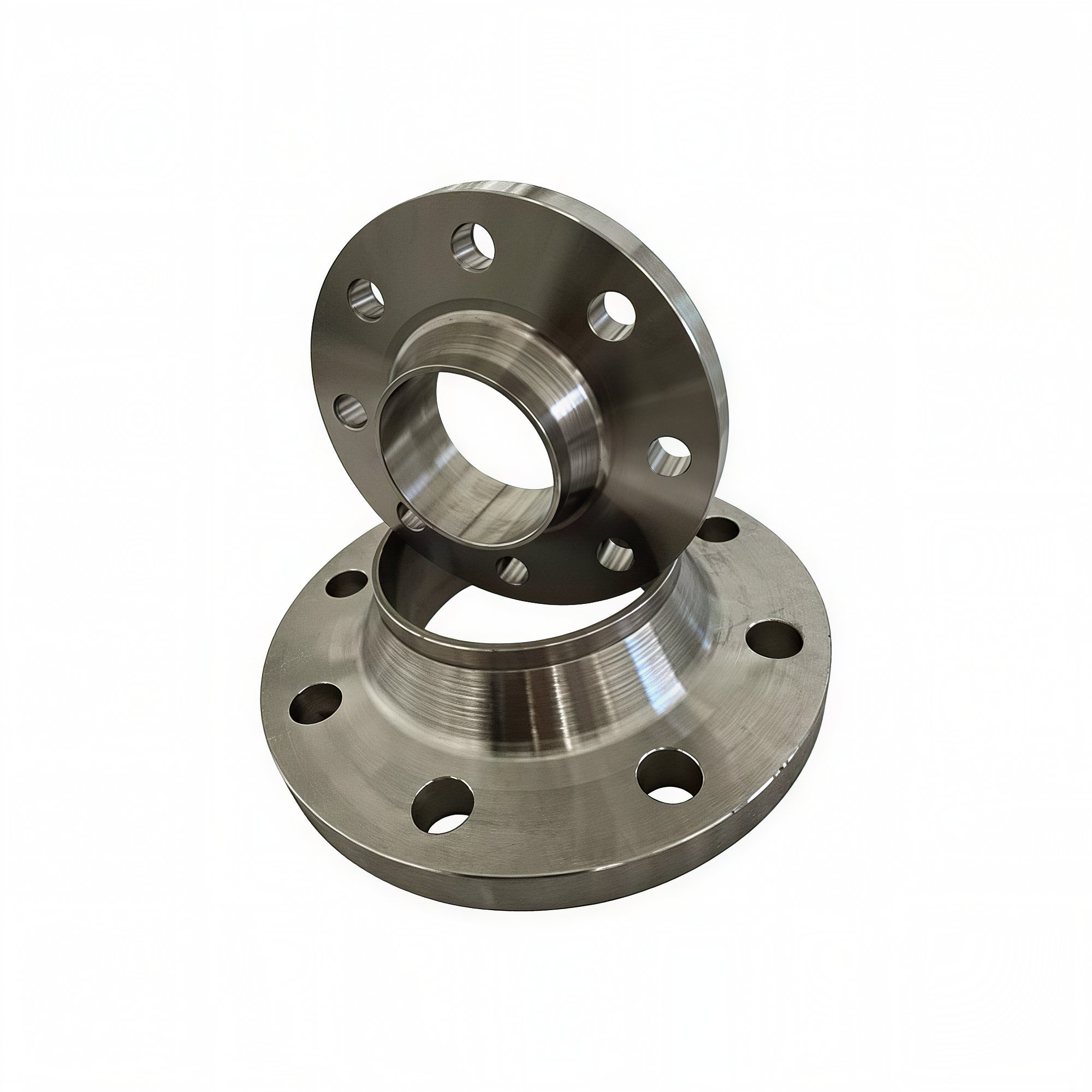
Manufactured by forging plus CNC precision machining, QYX titanium alloy flanges are available in Grade 2 pure titanium and Grade 5 (Ti‑6Al‑4V), with custom alloy grades available for special process requirements. These flanges follow ASME B16.5, ASTM B381 and ASTM B363 standards and are compatible with Titanium Pipe and matched Titanium Fittings. The natural self‑healing oxide layer is the material’s biggest advantage against seawater, chloride, acid and alkaline media. They are non‑magnetic, lightweight and retain toughness at cryogenic and elevated temperatures, widely used alongside Aircraft Titanium Material, Medical Titanium Alloy and Titanium Auto Part products from our workshop.
Even with excellent inherent properties, titanium alloy flanges are vulnerable to iron contamination, mechanical scratches on sealing faces and improper bolt loading. Poor maintenance can break the protective passive layer, create crevice corrosion and ruin gasket seating surfaces, negating your investment in premium titanium hardware.
Importance of Regular Inspection and Maintenance
Planned inspection cycles reduce unplanned shutdowns, safety incidents and asset replacement costs. Unlike steel flanges where corrosion spreads quickly and visibly, titanium degradation often starts as hidden surface contamination or micro‑scratches on the sealing face, which are hard to spot without scheduled checks. QYX METAL recommends aligning inspection frequency with your process severity: continuous offshore brine or chlor‑alkali service requires quarterly visual checks, while clean dry gas piping can follow annual shutdown inspection schedules.
- Check sealing faces for scratches, indentations, embedded grit and iron particle contamination
- Examine bolt holes, flange outer perimeter and bore for discoloration or localized staining
- Verify bolt tension uniformity and check for gasket extrusion or cold flow
- Record findings for asset logs and compare against baseline measurements from installation
- Cross‑reference inspection results against ASTM and ASME acceptance criteria
Our factory, located in Baoji “China Titanium Valley”, is equipped with advanced testing labs and supported by an experienced R&D team. The team continuously optimizes the quality of Titanium Forgings, titanium flanges and other titanium components, developing practical maintenance guidelines for global clients. We hold ISO9001, TUV and BV certifications and support full material traceability for all titanium batches.
Cleaning Techniques for Titanium Alloy Flanges
Cleaning is one of the most critical maintenance steps, yet it is frequently done incorrectly. Titanium surfaces must never be cleaned with steel brushes, steel wool or carbon steel scrapers, as iron residue will embed into the passive film and initiate galvanic corrosion spots.
- Remove loose dirt, salt deposits and process residue with soft nylon bristle brushes and low‑pressure clean water rinse
- For oily or organic contamination, use approved neutral pH, non‑chlorinated cleaners; avoid bleach and chloride‑rich solvents
- For light iron contamination, use proprietary titanium‑safe decontamination solutions, followed by thorough rinsing and full air drying
- Wipe sealing faces with lint‑free non‑metallic wipes before gasket installation
- Do not abrade the ring joint groove or raised sealing face with coarse abrasives
- Allow surfaces to fully re‑passivate naturally in open air after cleaning before reassembly
Cleaning Don’ts
- ❌ Steel wire brushes, grinding discs with iron backing
- ❌ Hydrochloric acid and chloride‑containing cleaning agents
- ❌ Heavy blasting on finished sealing surfaces
- ❌ Leaving wet residue trapped under gaskets after cleaning
Proper Storage Practices to Prevent Corrosion
Many flange failures start not in service, but during warehouse storage and transit. QYX METAL protects finished Titanium Alloy Flange products with surface protective film before shipment; buyers should retain this packaging until installation.
- Store flanges indoors in dry, low‑humidity warehouse zones, away from steel stockpiles and machining swarf
- Isolate titanium components from carbon steel racks using non‑conductive plastic or wooden separators
- Cover sealing faces with reusable plastic caps to avoid impact scratches and airborne iron dust
- Stack flanges on padded racks; never stack heavy steel parts directly on titanium flanges
- Mark inventory batches with alloy grade, heat number and MTC reference for traceability
- Rotate stock to avoid long‑term stagnant storage in humid coastal warehouses
Our product portfolio covers Titanium Outdoor Gears , Titanium Bicycle Parts and industrial titanium hardware, and we apply the same contamination control logic across all finished titanium goods in our storage facility.
Lubrication: Ensuring Smooth Operation and Longevity
Lubrication applies primarily to flange bolts and threaded connections, not the titanium sealing face itself. Applying lubricant on the gasket seating surface will cause leakage and media contamination.
- Use thread lubricants compatible with your process temperature and chemical service
- Select non‑contaminating lubricants for pharmaceutical, food and ultrapure fluid lines
- Apply lubricant only to bolt threads and nut contact surfaces, not the flange face
- Follow ASME bolt tightening sequences: cross‑pattern incremental torque to avoid uneven flange deflection
- Retorque joints after thermal cycling break‑in periods, following your piping system’s operating procedure
For high‑temperature or corrosive service, QYX METAL can recommend matched fastener options alongside titanium flanges, including compatible Aircraft Titanium Fasteners for high‑strength bolted assemblies.
Identifying Common Wear and Tear Signs
Key warning signs maintenance teams should watch for:
- Linear scratches or gouges across the sealing face, which create leakage paths
- Rust‑colored spotting: almost always iron contamination rather than titanium corrosion
- Gasket extrusion marks, indicating over‑torque or pressure cycling fatigue
- Flange face warping from thermal shock or uneven bolt loading
- Crevice staining along the gasket perimeter in chloride environments
- Thread galling on titanium fastener connections
Early detection means you can often repair the flange instead of replacing the whole assembly, cutting your asset budget significantly.
Repair vs Replacement: Making the Right Decision
Not every blemish requires replacement. Minor, shallow marks outside the gasket contact zone can often be polished by qualified technicians with non‑ferrous polishing media. Deep scratches across the sealing band, permanent face distortion or embedded iron contamination that cannot be removed reliably require replacement.
- Assess scratch depth and location relative to the gasket seating width
- Check flatness against ASME B16.5 face tolerance requirements
- Complete a pressure test after any repair work
- Compare repair labor cost, downtime risk and lead time against sourcing a new titanium alloy flange
- Consult your titanium component supplier’s engineering team before attempting field machining
QYX METAL supports fast quotations for replacement titanium flanges, custom Titanium Forgings and full Titanium Fittings packages for emergency and planned projects.
Environmental Factors Affecting Flange Performance
Even well‑maintained titanium alloy flanges are influenced by operating environment parameters. High chloride concentration, cyclic temperature swings, stagnant brine and splash zones accelerate contamination risk. Humid coastal and offshore locations create continuous salt deposition that must be washed off periodically. Dry inland low‑chloride service is far more forgiving, with longer maintenance intervals.
Process media pH, dissolved oxygen and residual chlorine also change passive film stability. Our R&D team runs continuous alloy performance testing for these environments, feeding field data into our grade selection guidance for chemical, desalination and subsea clients.
Best Practices for Installation and Handling
Maintenance success starts during installation. Many permanent sealing‑face damages happen during lifting, rigging and alignment before the line enters service.
- Use soft lifting slings; avoid steel chains that contact flange faces
- Align pipe runs before final bolt tightening; do not pull misaligned piping into position using flange bolts
- Select compatible gaskets: PTFE, fluoropolymer or graphite for titanium service; avoid galvanized gaskets
- Keep the sealing cover on until the moment of gasket fit‑up
- Document torque values, gasket type and installation date into your maintenance database
Professional Maintenance Services: When to Seek Help
In‑house teams can handle routine visual inspection and basic cleaning. Specialized scenarios call for outside technical support: ring joint face re‑machining, flatness certification, heavy contamination remediation, failure root‑cause analysis and third‑party witnessed pressure testing. QYX METAL’s engineering team provides remote technical support for our clients worldwide. We can review photos, inspection reports and P&ID data to advise on cleaning methods, repair feasibility and material grade upgrades.
Industry Standard科普: Relevant Quality & Safety Specifications
All maintenance activities should align with the same standards used during manufacturing:
- ASME B16.5: Governs flange dimensions, pressure ratings, bolt patterns and sealing face tolerance
- ASTM B381: Standard for titanium alloy forgings, defining material quality and metallurgical acceptance
- ASTM B363: Standard for seamless and welded titanium fittings
- ISO 9001: QYX’s quality management framework covering production, inspection and documentation
Third‑party inspectors and EPC clients commonly require maintenance records to reference these standards, so keeping organized inspection logs speeds up audit and project approval workflows.
Industry Trend Interpretation: Latest Developments in Titanium Alloy Sector
Plant operators and procurement managers are shifting from reactive breakdown maintenance to predictive maintenance programs for critical Titanium Piping circuits. Digital asset tracking, ultrasonic surface profiling and remote visual inspection tools are becoming standard for high‑value Titanium Equipment. Buyers now prioritize suppliers that supply not only components but also maintenance guidance, material training and traceable MTC packages. ESG and circular economy rules are also pushing operators to properly recover and recycle titanium scrap and end‑of‑life flanges rather than landfill them. As offshore wind, green hydrogen and carbon capture projects expand, demand for long‑life, low‑maintenance titanium alloy flanges will keep growing, and maintenance best practices will become a core part of vendor evaluation.
New Technology R&D & Application Updates
Ongoing R&D work in the titanium industry focuses on two connected directions: improved surface passivation treatments and non‑destructive inspection methods that detect early contamination without damaging flange sealing geometry. Advanced vapor‑phase surface treatment formulations are being tested to reduce iron adhesion risk for titanium hardware deployed in splash zones, extending service intervals between cleaning cycles. Portable optical metrology scanners now allow maintenance crews to capture high‑resolution flatness data on ring joint and raised faces directly on site, replacing slower manual gauge checks. At QYX METAL, our R&D team integrates these inspection insights into our production process for Titanium Alloy Flange and Titanium Forgings. We are also developing optimized forging grain structures that improve resistance to cyclic thermal fatigue, helping OEM and end‑user customers reduce the frequency of scheduled joint intervention across chemical, marine and new energy installations.
What B2B Procurement Managers Care About When Sourcing Titanium Alloy Flanges
Experienced B2B procurement teams evaluate maintenance requirements alongside upfront pricing before locking in a Titanium Flange supplier. First, they need clear, verified material documentation and alloy grade guidance matched to their process media, temperature and pressure, because selecting the wrong grade or losing MTC records will complicate compliance and maintenance planning later. Second, buyers check whether the manufacturer publishes reliable handling, storage and maintenance guidance, as poor documentation creates costly errors for on‑site maintenance teams. Third, delivery reliability matters: spare flange inventory and emergency replacement lead times directly influence maintenance schedule flexibility and outage planning. Fourth, technical support accessibility is essential; procurement managers value suppliers with engineering teams that can assist troubleshooting contamination, gasket compatibility and bolt torque questions. Fifth, consistent dimensional precision is non‑negotiable; tight ASME B16.5 tolerances ensure interchangeability of replacement flanges and prevent leakage after maintenance disassembly and reassembly. QYX METAL builds these five priorities into our RFQ packages, technical datasheets and after‑sales support system for distributors, OEM manufacturers and EPC contractors.
FAQ: Frequently Asked Questions for Titanium Alloy Flange Buyers & Maintenance Teams
Q1: Can I use steel tools on titanium alloy flanges during maintenance?
A1: Steel tools can leave embedded iron particles and cause staining and localized corrosion. Always use non‑ferrous, nylon or titanium tooling for direct contact with flange sealing surfaces.
Q2: How often should I disassemble and inspect a titanium flange joint?
A2: It depends on service conditions. Seawater, chlor‑alkali and high‑chloride service require more frequent visual checks. For non‑aggressive clean process media, inspection can follow normal plant shutdown cycles.
Q3: Is surface discoloration always a sign of titanium corrosion?
A3: No. Most brown or rust‑like spots are iron contamination, not titanium corrosion. Pure titanium corrosion is rare under rated conditions, but contamination still requires cleaning.
Q4: Can I re‑machine a scratched titanium flange face on site?
A4: Only qualified technicians with non‑ferrous tooling and flatness verification equipment should attempt re‑machining. Verify final dimensions against ASME B16.5 before returning to service.
Q5: Does Grade 5 titanium require different maintenance procedures than Grade 2?
A5: The core cleaning, storage and handling rules are identical. Grade 5 has higher mechanical strength, so it tolerates higher bolt loads, but its passive oxide film reacts the same way to iron and chloride contamination.
Conclusion: Embrace Planned Maintenance to Maximize Flange Lifespan
Your High Precision High Quality Industrial Titanium Alloy Flange from QYX METAL is a long‑term capital asset, not a disposable fitting. When paired with correct inspection, cleaning, storage, handling and torque practices, it can deliver decades of leak‑free service even in aggressive industrial environments. QYX METAL is a professional titanium manufacturer based in Baoji “China Titanium Valley”, supplying Titanium Fittings, Titanium Forgings, Titanium Materials, Aircraft Titanium Material, Medical Titanium Alloy and Titanium Auto Part products for global OEMs, distributors and end‑users. If you need technical datasheets, grade selection support or a formal quotation for titanium alloy flanges, send your drawings, specifications or RFQ to Negan@qyx-metal.com.
References
1. Wikipedia contributors. (2025). Titanium. Wikipedia, The Free Encyclopedia.
2. Industrial Piping Community. (2024). Flange Joint Maintenance Mistakes in Chloride Service. Reddit r/PipingEngineering
3. Process Equipment Hub. (2024). Best Practices for Titanium Alloy Component Handling and Storage. Quora Technical Engineering Publication
4. Corrosion Technology Review. (2025). Iron Contamination on Titanium Passive Surfaces: Detection and Remediation.
Connect with QYX METAL
- Email: Negan@qyx-metal.com
- WhatsApp: +86 18791795597
- LinkedIn: https://www.linkedin.com/in/leon-li-80687933b/
- Facebook: https://www.facebook.com/profile.php?id=100085767445028
- YouTube: https://www.youtube.com/channel/UCKRZDvakWR3cWKV_IzVdusg
- Instagram: https://www.instagram.com/qyx_titanium/