
Unmatched Strength and Durability: Meet the titanium alloy Flange!
For B2B procurement managers supporting chemical, offshore, oil & gas, aerospace and new energy projects, reliable pipeline connection hardware directly impacts uptime, safety and total cost of ownership. Our High Precision High Quality Industrial Titanium Alloy Flange stands out as a premium connection solution within the Titanium Fittings family from QYX METAL CO., LTD. Crafted from certified premium Titanium Materials, this Titanium Alloy Flange delivers stable sealing performance, exceptional mechanical strength and extended service life under high-pressure, corrosive and high-temperature operating environments. Whether you are a distributor, OEM manufacturer, EPC contractor or end-fabricator, this component solves long-standing pain points caused by premature corrosion and leakage of conventional steel flanges.
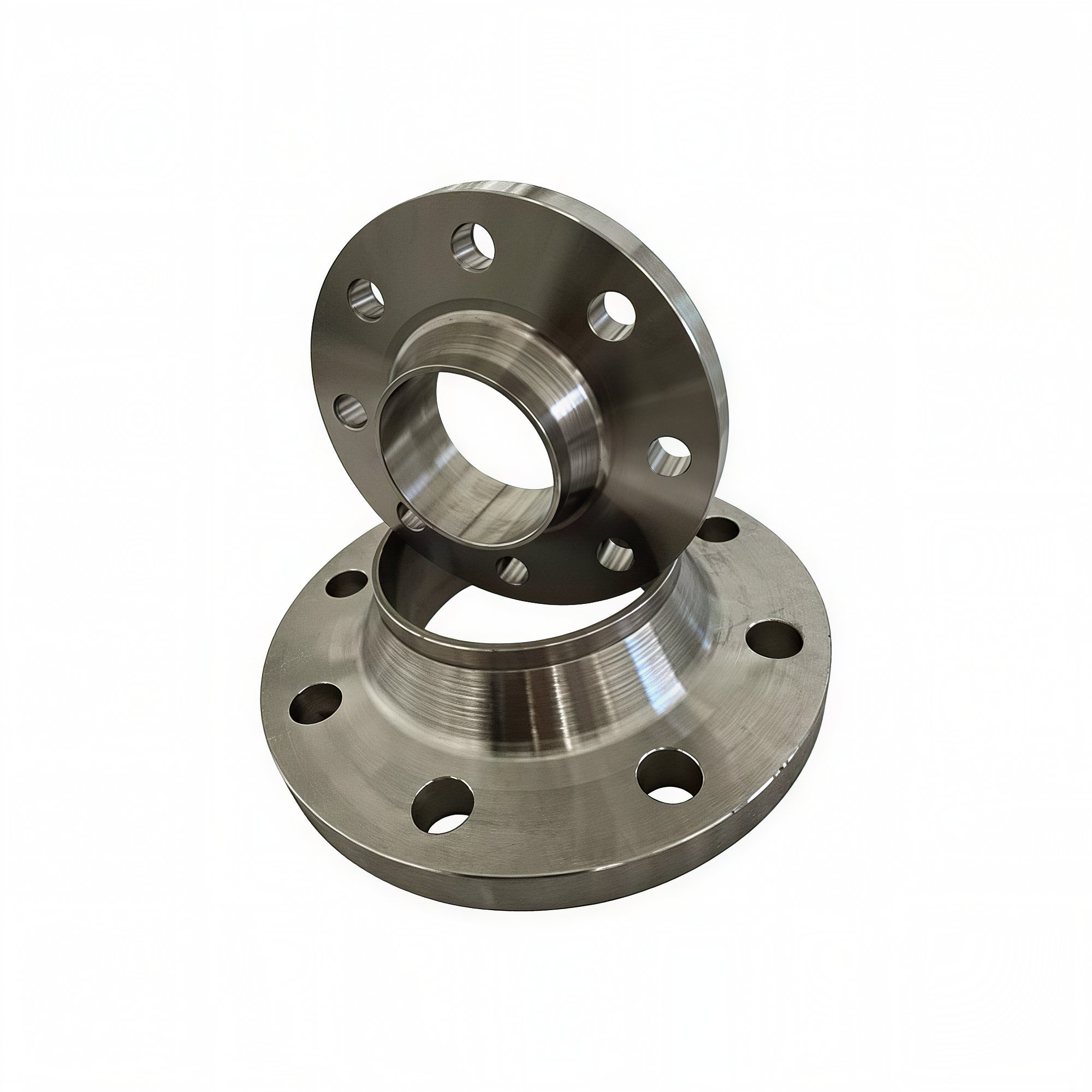
Introduction to Titanium Alloy Flanges
A titanium alloy flange is a forged and precision-machined piping connector used to join pipes, valves, pressure vessels and other process equipment. Unlike standard carbon steel or stainless steel flanges, it is engineered from titanium or titanium alloy grades such as Grade 2 and Grade 5 (Ti‑6Al‑4V). QYX METAL, located in Baoji, known globally as “China Titanium Valley”, specializes in producing this critical hardware alongside Titanium Forgings, Aircraft Titanium Material, Medical Titanium Alloy and Titanium Auto Part. Our titanium flanges are widely adopted across harsh industrial sectors where corrosion resistance and structural integrity are non-negotiable requirements.
Every Titanium Flange is designed for bolted assembly, supporting multiple connection styles including weld neck, slip-on, blind, threaded, flat face, raised face and ring joint face configurations. When paired with matching titanium pipes and Titanium Fittings, it forms a fully compatible corrosion-resistant piping circuit with minimal risk of galvanic mismatch.
What Makes Titanium Alloys Unique?
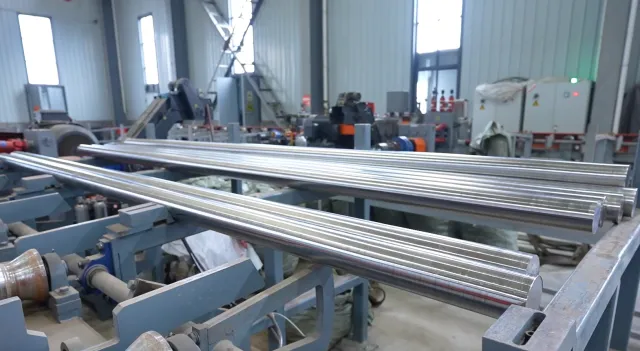
Titanium alloys possess a rare combination of material properties that set them apart from most structural metals. The most valuable feature is the self-healing passive oxide film that instantly forms on the material surface upon exposure to oxygen. This thin protective layer resists attack by seawater, chloride brines, acids, alkalis and many oxidizing chemicals, greatly reducing maintenance cycles and replacement frequency.
- Superior strength-to-weight ratio: High tensile strength while remaining significantly lighter than steel
- Excellent cryogenic toughness and stable mechanical performance at elevated temperatures
- Non-magnetic and non-toxic, suitable for pharmaceutical, food-grade and sensitive precision systems
- Natural oxidation resistance without expensive coating systems
- Compatible with strict clean-process requirements for aerospace and medical-grade workflows
Our in-house R&D team continuously studies alloy formulation and surface behaviour. Backed by our factory’s advanced testing laboratory and complete ISO9001, TUV and BV certification system, we can develop custom titanium alloy grades to match unique process media and thermal cycling conditions for your project. Our technical team also supports parallel development for Aircraft Titanium Fasteners and special Titanium Materials for extreme operating envelopes.
The Manufacturing Process of Titanium Flanges
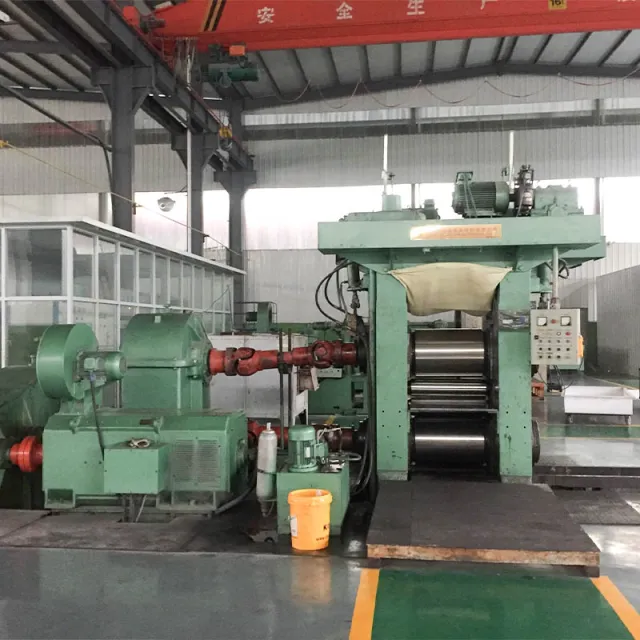
QYX METAL follows a controlled, traceable production workflow for every Titanium Alloy Flange, starting with strict raw material qualification.
- Raw material incoming inspection: Titanium billets are verified with material test certificates, chemical analysis and mechanical testing records before release to production.
- Hot forging: The blank is forged under controlled temperature to refine grain structure, eliminating internal porosity and improving fatigue resistance. This step aligns with standards for Titanium Forgings.
- CNC precision machining: Flange face, sealing groove, bolt holes and inner bore are machined under tight tolerance control.
- Surface finishing and cleaning: Removal of machining oils and metallic contamination to preserve the passive oxide layer.
- Dimensional inspection, visual inspection and pressure testing sampling.
- Marking, packaging and documentation: Heat number, grade, standard and pressure class are clearly marked for full traceability.
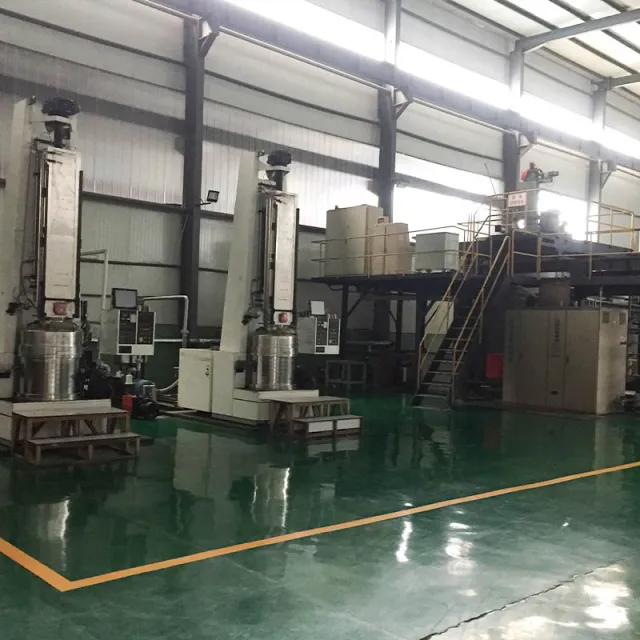
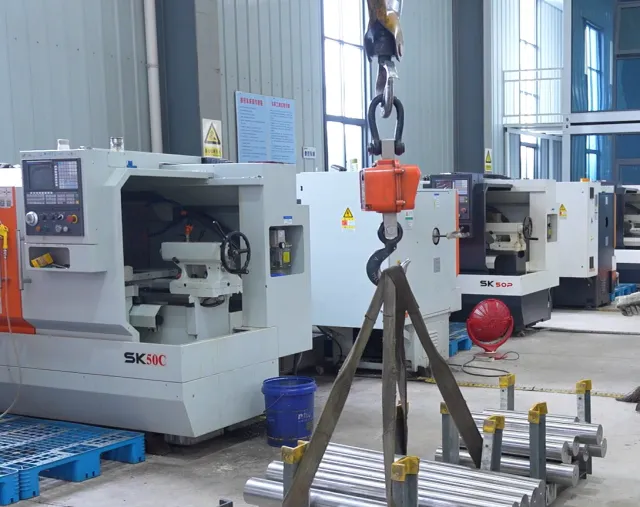
Our manufacturing facility covers dedicated forging zones, CNC machining halls and independent quality laboratories equipped with coordinate measuring machines, spectrometers and hardness testers. Founded in 2019, our team of skilled technicians and material engineers delivers OEM and ODM titanium component solutions for global B2B buyers.
Key Benefits: Strength and Durability
The core advantage of selecting our High Precision High Quality Industrial Titanium Alloy Flange is long-term reliability in aggressive environments. The combination of high mechanical strength and outstanding corrosion resistance directly lowers your total lifecycle cost.
- Leak-proof sealing performance under rated pressure, thanks to precision-machined uniform sealing faces
- Weight reduction for the whole piping skid, easing lifting, installation and structural loading
- Resistance to crevice corrosion, pitting and stress corrosion cracking in chloride-rich environments
- Wide operating temperature window from cryogenic service up to elevated process heat
- Long service intervals and fewer change-outs, reducing planned and unplanned downtime
- Full third-party inspection support and complete documentation for EPC audit compliance
For project owners designing long-lifespan assets such as desalination plants and subsea modules, the durability premium of titanium hardware delivers compound savings over decades of operation.
Applications in Various Industries
Our Titanium Alloy Flange and supporting Titanium Fittings are specified for the most demanding industrial sectors:
- Chemical & chlor‑alkali engineering: Handling brine, acidic and oxidizing process streams
- Offshore, marine and seawater desalination: Constant exposure to saltwater splash and immersion
- Oil & gas and subsea equipment: High-pressure, mixed-media subsea piping and control lines
- New energy and power generation: Green hydrogen, geothermal and concentrated solar process loops
- Pharmaceutical and food processing: Non-toxic, cleanable surfaces compliant with hygienic design expectations
- Aerospace and precision equipment: Matched with Aircraft Titanium Material for lightweight high-strength assemblies
Comparing Titanium with Other Materials
Many procurement teams weigh titanium against carbon steel, 316L stainless steel, duplex stainless steel and nickel alloys. Each material carries trade-offs between upfront cost, corrosion performance, weight and maintenance demand.
- Carbon steel: Low initial price, but rapid rusting in wet or chloride environments; frequent replacement required.
- 316L stainless steel: Moderate corrosion resistance, but prone to pitting and crevice corrosion in concentrated brine.
- Duplex stainless steel: Better chloride resistance than 316L, heavier than titanium and still vulnerable in hot concentrated acids.
- Titanium alloy: Highest resistance to seawater and chloride media, lightweight, stable passive film, higher upfront cost but superior long-term ROI.
For static low-corrosion dry-air piping, stainless steel may remain economical. For offshore, desalination and chlor-alkali circuits, titanium alloy flanges consistently outperform alternatives.
Real-World Success Stories and Case Studies
QYX METAL has supplied titanium alloy flanges and matched Titanium Fittings to multiple overseas desalination and chemical plant projects. One long-term distributor partner serving marine EPCs switched from duplex flanges to Grade 2 titanium flanges for seawater intake piping, cutting annual replacement spend by over 65% and eliminating unplanned shutdown events caused by crevice corrosion. Another OEM customer in new energy specified Grade 5 titanium alloy flanges for high-pressure hydrogen testing skids, taking advantage of the material’s non-magnetic property and stable strength under thermal cycling.
These cases demonstrate that forward-thinking procurement teams evaluate component selection on lifecycle cost rather than unit price alone.
Maintenance and Longevity of Titanium Flanges
While titanium alloy flanges are extremely durable, basic handling and maintenance rules protect the sealing face and passive oxide film to maximize service life.
- Prevent iron contamination: Avoid steel brushes, steel tools and direct contact with carbon steel swarf.
- Inspect sealing faces periodically for scratches, embedded grit and discoloration.
- Clean only with non-chloride neutral cleaners and lint-free non-metallic wipes.
- Store indoors, separated from ferrous metals with plastic or wooden spacers; keep protective caps on sealing surfaces.
- Follow cross-pattern incremental bolt torque sequences from ASME standards during installation.
- Never apply lubricant directly onto the gasket seating sealing face.
When these simple practices are followed, QYX titanium alloy flanges can maintain reliable sealing for many years in aggressive service.
Environmental Impact and Sustainability Considerations
Titanium is highly recyclable, and titanium scrap retains nearly all of its metallurgical value after recovery. Extended component lifespan also reduces the frequency of manufacturing, transport and replacement activities, lowering the embedded carbon footprint of your piping system. Compared with alloys that degrade quickly and become waste, titanium hardware supports circular economy goals for industrial operators. QYX METAL sorts and recycles titanium chips and offcuts generated from our CNC and forging lines, feeding clean scrap back into qualified titanium material supply chains.
Future Innovations in Titanium Alloy Technology
Material scientists and titanium manufacturers are advancing alloy tuning, surface treatment and near-net-shape forging techniques. New modified titanium grades target improved resistance to reducing acids while preserving weldability. Advanced surface passivation treatments are being optimized to reduce iron adhesion risk for splash zone hardware. Digital manufacturing workflows including simulation-assisted forging and in-line optical inspection are improving dimensional consistency for complex Titanium Forgings. At QYX METAL, our R&D team invests in process refinement for Grade 2 and Grade 5 titanium components, exploring automated metrology to shorten lead times for custom flange orders and special Titanium Materials for aerospace and medical projects.
Industry Standard科普: Quality & Safety Specifications
Our Titanium Alloy Flange is manufactured and inspected against widely accepted international standards that B2B buyers specify for project compliance:
- ASME B16.5: Pipe flanges and flanged fittings, covering dimensions, pressure ratings and sealing face tolerances
- ASTM B381: Titanium alloy forgings, governing chemical composition, mechanical requirements and quality verification
- ASTM B363: Seamless and welded titanium fittings
- ISO 9001: QYX’s quality management system framework for production, traceability and corrective action
All third-party test reports, MTCs and inspection certificates are available upon RFQ to support your engineering review and client submission packages.
Industry Trend Interpretation: Latest Titanium Piping Market Trends
The global market for titanium industrial fittings is driven by the expansion of green hydrogen, offshore wind, carbon capture and desalination infrastructure. Procurement managers are shifting from low-first-cost material selection toward lifecycle value analysis, prioritizing suppliers who can supply certified material, technical support and consistent lead times. ESG requirements are pushing asset owners to select long-life, recyclable materials such as titanium to lower replacement waste. Meanwhile, OEM skid builders increasingly prefer one-stop vendors that can supply Titanium Alloy Flange, Titanium Fittings, Titanium Forgings and custom machined Titanium Materials together rather than coordinating multiple separate suppliers.
New Technology R&D & Application Updates
Current R&D directions across the titanium industry focus on near-net-shape forging technology, which reduces material waste and machining time for complex titanium components, alongside advanced non-destructive testing methods that can detect subsurface defects without damaging finished sealing surfaces. Researchers are developing low-cost alloy variants optimized for specific brine and acid service conditions, balancing performance and commercial pricing. Digital twin models are being used to simulate flange joint behaviour under cyclic pressure and thermal loading, helping engineers select correct bolt torque sequences and gasket combinations before installation. QYX METAL’s technical team adopts these insights to upgrade our forging and CNC workflows for Titanium Alloy Flange. We are also developing streamlined traceability systems that link every finished component to raw billet, heat treatment log and inspection data, making audit and compliance easier for overseas OEMs and large distributors purchasing Aircraft Titanium Material, Medical Titanium Alloy and Titanium Auto Part for high-specification projects.
What B2B Procurement Managers Care About When Sourcing Titanium Alloy Flanges
Experienced B2B procurement teams evaluate five core priorities when sourcing titanium alloy flanges beyond unit price. First, verified material traceability is essential; buyers require full MTCs, alloy grade confirmation and third-party test options to satisfy engineering and EPC compliance rules, especially for offshore and aerospace assets. Second, dimensional consistency and adherence to ASME and ASTM standards guarantee interchangeability, avoiding fit-up delays on site. Third, flexible manufacturing capability matters, including custom sizes, special face types and small-batch OEM orders to match project-specific drawings. Fourth, reliable lead time stability and responsive technical support are critical; buyers need their supplier’s engineering team available to advise on alloy grade selection, gasket compatibility and installation best practices. Fifth, one-stop supply capability adds significant value: procurement managers prefer manufacturers that can bundle Titanium Alloy Flange with Titanium Fittings, Titanium Forgings and other Titanium Materials rather than managing multiple vendor relationships. QYX METAL aligns our quotation workflow, documentation package and production scheduling around these five requirements for distributors, OEM manufacturers and end-user plant operators across Europe and North America.
FAQ: Frequently Asked Questions for Titanium Alloy Flange Buyers
Q1: What grades of titanium alloy flanges does QYX supply?
A1: We supply Grade 2 commercially pure titanium and Grade 5 (Ti‑6Al‑4V) titanium alloy flanges. Custom alloy grades are available on request for special process requirements.
Q2: Can you produce titanium alloy flanges according to customer drawings?
A2: Yes. We support OEM and ODM custom machining. Send your drawings, pressure class, standard and quantity with your RFQ for quotation.
Q3: Are titanium flanges fully compatible with stainless steel piping?
A3: Direct dissimilar metal contact in wet chloride environments carries galvanic corrosion risk. We recommend consulting our engineering team for isolation or compatible material recommendations.
Q4: What standards do your titanium flanges follow?
A4: Our titanium alloy flanges comply with ASME B16.5, ASTM B381 and ASTM B363, with ISO9001, TUV and BV certification support.
Q5: How long is the typical lead time for custom titanium alloy flanges?
A5: Lead time depends on complexity, quantity and material schedule. Contact Negan@qyx-metal.com with your specification for an accurate timeline.
Conclusion
Our High Precision High Quality Industrial Titanium Alloy Flange delivers unmatched strength, corrosion resistance and long-term durability for the world’s harshest piping applications. Backed by QYX METAL’s manufacturing capacity, R&D expertise and full certification package, this component is a strategic choice for procurement teams aiming to reduce lifecycle risk and maintenance overhead. Alongside our full portfolio of Titanium Fittings, Titanium Forgings, Titanium Materials, Aircraft Titanium Material, Medical Titanium Alloy and Titanium Auto Part, we provide one-stop titanium metal solutions. Submit your drawings, specifications or RFQ to Negan@qyx-metal.com today.
References
1. Wikipedia contributors. (2025). Titanium alloy. Wikipedia, The Free Encyclopedia.
2. Piping & Corrosion Engineering Community. (2024). Titanium Flange Joint Selection for Chloride Service. Reddit r/CorrosionEngineering
3. Industrial Hardware Technical Forum. (2024). ASME B16.5 Flange Tolerance & Material Matching Guide. Quora Engineering Publication
4. Materials Performance Journal. (2025). Passive Film Stability of Titanium in Seawater and Brine Environments.
Connect with QYX METAL
- Email: Negan@qyx-metal.com
- WhatsApp: +86 18791795597
- LinkedIn: https://www.linkedin.com/in/leon-li-80687933b/
- Facebook: https://www.facebook.com/profile.php?id=100085767445028
- YouTube: https://www.youtube.com/channel/UCKRZDvakWR3cWKV_IzVdusg
- Instagram: https://www.instagram.com/qyx_titanium/