
The Science Behind titanium alloy Disc Manufacturing
Introduction to Titanium Alloys in Manufacturing
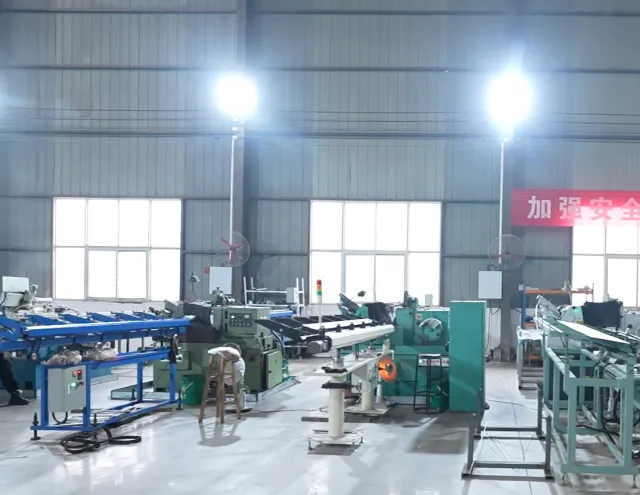
For B2B procurement teams sourcing high-performance semi-finished blanks, Titanium Disc and Titanium Alloy Disc stand among the most technically demanding metal components available today. Unlike ordinary rolled metal discs, premium titanium alloy discs rely on tightly controlled metallurgical science rather than simple cutting from plate stock. QYX METAL CO., LTD, rooted in Baoji’s China Titanium Valley, specializes in Titanium Forgings including our Premium High Precision Titanium Disc Titanium Alloy Disc. Our product portfolio also covers Aircraft Titanium Material, Medical Titanium Alloy, Titanium Fittings, Aircraft Titanium Fasteners and Titanium Auto Part for OEM and ODM buyers across North America and Europe. Our factory features modern enclosed forging workshops, CNC machining cells, heat treatment furnaces and independent metallurgical testing laboratories. Our in-house R&D team consists of senior metallurgists and process engineers with long-term focus on titanium microstructure control; sustained R&D investment supports grain refinement optimization, low-defect forging parameter development and custom alloy formulation, with proprietary process know-how for consistent high-quality titanium blanks. All our Titanium Disc & Titanium Target are traceable with full material test certificates for regulated industries.
Properties of Titanium Alloys
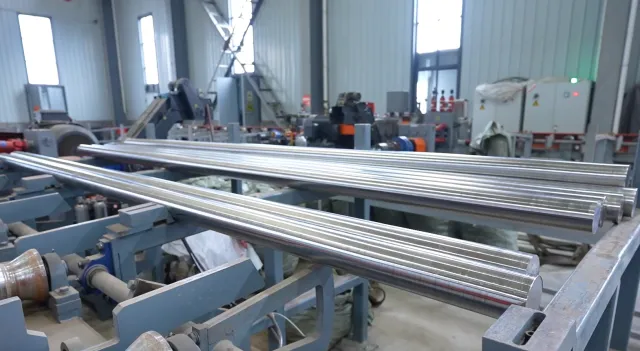
The unique science of titanium starts with its fundamental material properties, which define why a precision Titanium Alloy Disc outperforms steel, aluminum and many superalloys in harsh service. Titanium alloys deliver an outstanding strength-to-weight ratio, lighter than carbon steel while maintaining high tensile strength and fatigue resistance. A self-forming passive TiO₂ oxide film grants inherent resistance to seawater, chlorides, dilute acids and alkalis. They remain dimensionally stable across cryogenic and moderately elevated temperatures, are non-magnetic, and selected grades carry excellent biocompatibility for medical machining blanks. These intrinsic traits make titanium the baseline choice for rotating aerospace blanks, offshore pump and valve components and surgical preforms. However, the same properties also create manufacturing challenges: low thermal conductivity, high chemical reactivity at forging and cutting temperatures, and a tendency for work hardening, all of which demand specialized process control when producing a reliable Titanium Disc.
Importance of Disc Manufacturing
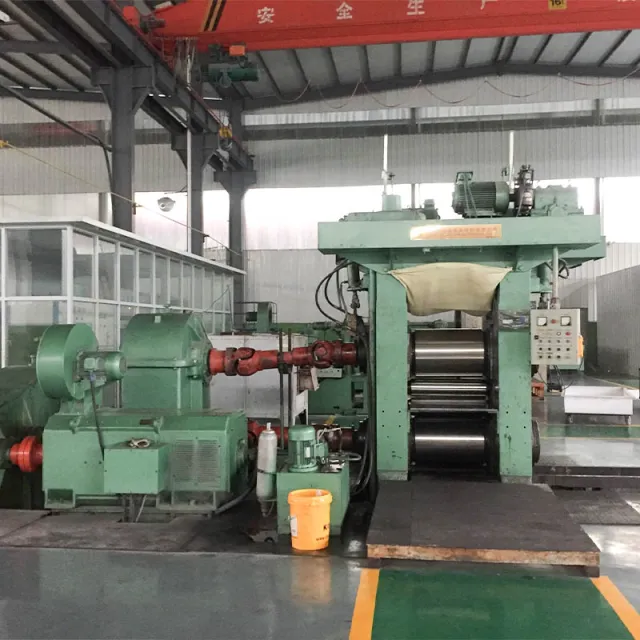
A titanium disc is not merely a round metal slice. As a primary forging blank, it serves as the starting substrate for downstream precision machining into flanges, valve cores, pump rotors, aerospace rotating parts and medical implants. Poorly manufactured discs with hidden porosity, uneven grain flow or residual stress will cause scrap, dimensional drift, fatigue cracking and component failure after expensive CNC work. That is why QYX prioritizes forged disc construction instead of cut plate. The forging process aligns metal grain flow along the disc’s stress paths, which is impossible with simple plate cutting. Whether customers order semi-finished forging blanks or fully finished precision discs, stable disc manufacturing science directly determines the yield, safety and service life of finished parts built from our Titanium Forgings.
Raw Materials and Their Selection
Manufacturing science begins before forging: raw material screening sets the baseline quality of every Titanium Alloy Disc. QYX only uses certified, traceable Titanium Materials and offers multiple alloy grades to match engineering specifications: Grade 1, Grade 2, Grade 5 (Ti‑6Al‑4V), Grade 9 and Grade 12. Each grade is selected according to the balance required between ductility, strength, corrosion resistance and cost. Pure titanium Grades 1 & 2 suit chemical and desalination equipment; Grade 5 Ti‑6Al‑4V is the workhorse for aerospace and high-stress rotating components; Grade 9 and Grade 12 are preferred for marine and hydrogen-related hardware. We audit every incoming billet, verify chemical composition, inspect for interstitial impurities such as oxygen, nitrogen and hydrogen, and retain complete documentation. Raw billets failing metallurgical inspection are rejected before they enter melting or forging workflows, protecting downstream buyers from hidden material risks.
Alloy Composition and Its Impact
Alloying elements are the core of titanium disc metallurgy. Aluminum stabilizes the alpha phase and raises strength; vanadium stabilizes the beta phase and improves ductility and hot workability. Minor additions of iron, tin or Molybdenum adjust creep resistance and corrosion behavior. Changing composition shifts phase transformation temperature, which controls the safe hot forging window. If alloy chemistry drifts, the forging grain structure will become unpredictable: coarse grains reduce fatigue life, while excessive interstitial contamination creates brittle alpha-case layers on the disc surface. This science explains why we cannot treat all titanium discs the same. A Medical Titanium Alloy disc blank follows stricter impurity limits than a general industrial titanium disc, and our engineering team reviews alloy grade selection together with customers during RFQ review to match end-use compliance rules.
Melting and Casting Processes Explained
High-grade titanium feedstock is typically produced via vacuum arc remelting (VAR), which suppresses oxidation and nitrogen pickup that ruin ductility. Unlike common steel casting, titanium cannot be melted in open air because it aggressively absorbs atmospheric gases at high temperature. The resulting ingot or billet becomes the parent stock for our Titanium Disc. Cast-only titanium discs are generally avoided for high-end applications, as casting naturally forms internal voids, segregation and loose grain structure. That is the key distinction: QYX forged titanium alloy discs use cast billet only as input stock; the critical strength and density gains come in the subsequent hot forging and grain refinement steps, not from casting itself.
Forging Techniques for Titanium Discs
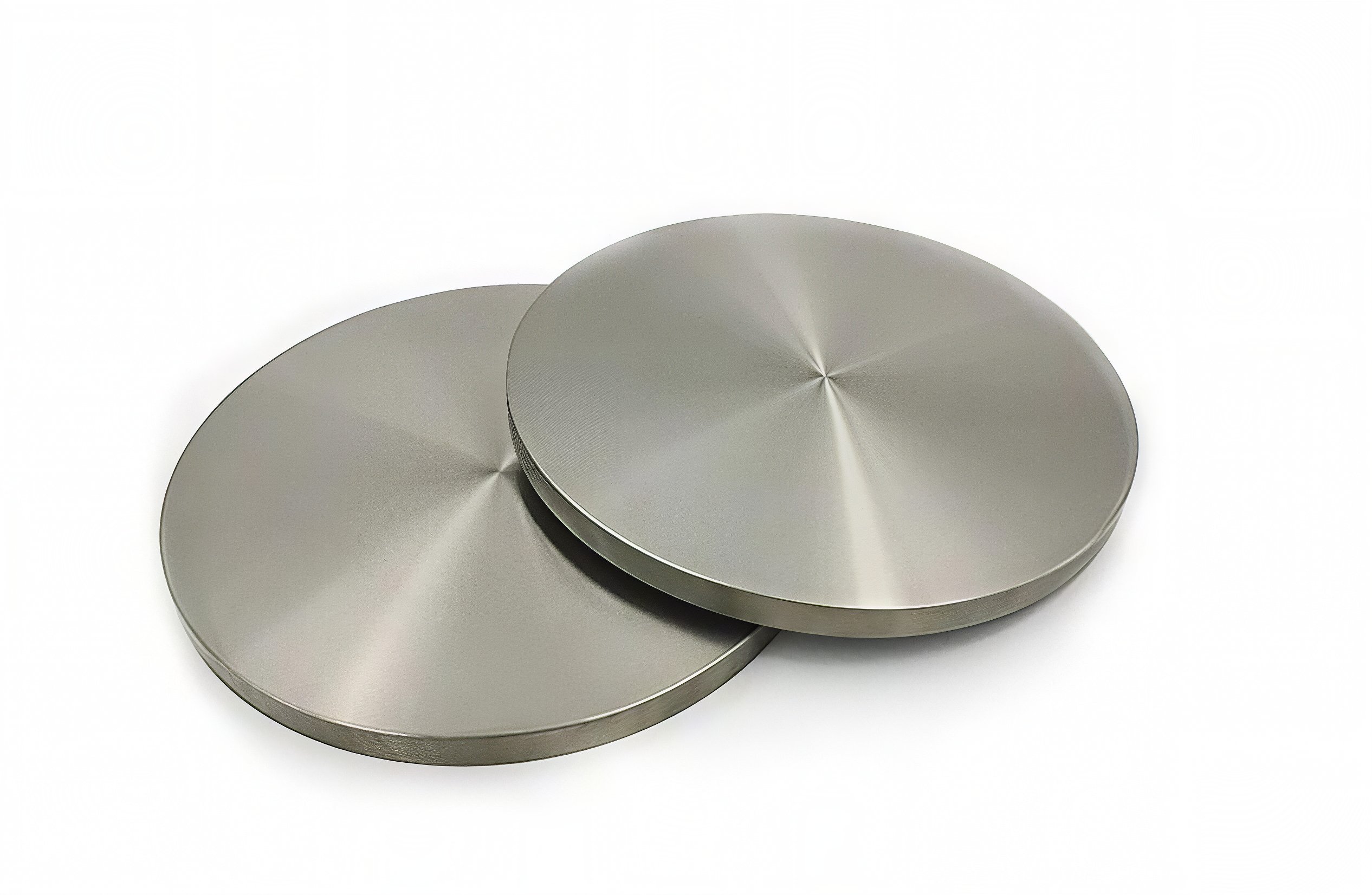
Hot forging is the mechanical heart of titanium disc manufacturing science. Our process uses controlled hot forging within a narrow temperature window below the beta transus point, to deform the billet uniformly and break down coarse cast grains. Controlled compression refines grain size, closes internal micro-porosity and aligns grain flow to match the disc’s circular geometry. We avoid overheating, which triggers rapid grain growth and weakens fatigue toughness. Our workshop supports open-die forging for large diameter blanks and closed-die forging for near-net-shape disc profiles. Compared with rolled titanium discs, forged Titanium Alloy Disc products deliver higher density, fewer internal defects and superior impact and cyclic load performance. This forging science is why our Titanium Disc & Titanium Target are trusted for safety-critical applications.
Heat Treatment Procedures for Strengthening
After forging, heat treatment locks in the desired microstructure and removes harmful residual stress. Our standard workflows include stress-relief annealing, mill annealing, and for Grade 5 alloy, solution treatment plus aging when higher strength is specified. Annealing relieves forging stress so the disc will not warp during later CNC machining. Solution and aging modifies the ratio of alpha and beta phases to boost tensile strength, but it must be calibrated carefully: incorrect hold time or cooling rate creates uneven hardness and unstable dimensions. Every batch of Titanium Disc receives furnace batch records, and heat treatment parameters are documented alongside MTC data for traceability, supporting third-party audits required by aerospace and medical buyers.
Machining Challenges and Solutions
Even after successful forging and heat treatment, titanium alloy discs present unique CNC machining challenges. Low thermal conductivity traps cutting heat at the tool edge; high chemical reactivity causes galling, built-up edge and rapid tool wear. QYX’s in-house precision machining team solves these issues with rigid fixture setups, carbide tooling, controlled cutting speeds and abundant high-pressure coolant. We hold tight tolerances on flatness, parallelism, outer diameter and thickness, and can deliver discs in three surface states: as-forged, rough machined or finely polished. Our finished blanks are ready for customer turning, milling and drilling into finished parts. We also provide machining guidance sheets to OEM customers, helping their machine shops reduce scrap when processing Titanium Alloy Disc forgings.
Quality Control Measures in Production
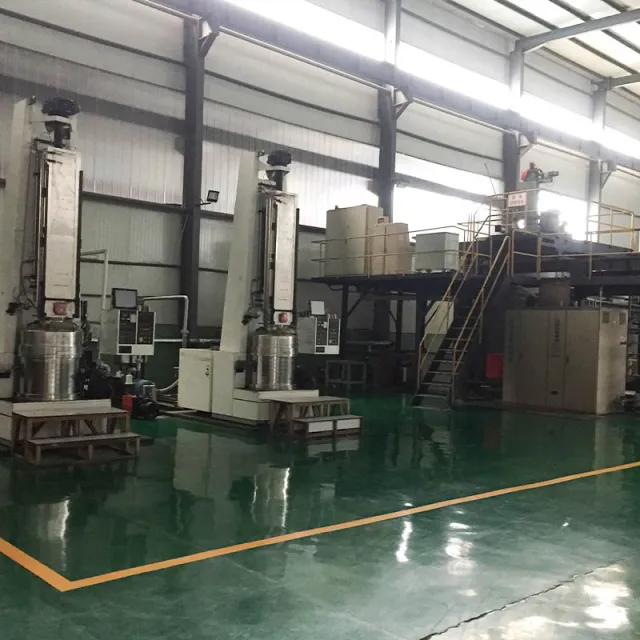
Quality control runs through every manufacturing stage of our Titanium Disc. Our laboratory performs chemical spectroscopy, tensile testing, hardness testing and metallographic grain inspection. Non-destructive testing options include ultrasonic UT, penetrant PT and magnetic particle inspection upon customer request. Each disc is dimensionally checked against drawing tolerances before release. We maintain ISO9001, TUV and BV certification, and all inspection records are archived. Third-party testing is available for regulated programs. Our QC system is built around ASTM B381 requirements for titanium forgings, ensuring consistency from prototype small batches to large-volume release orders.
Applications of Titanium Alloy Discs
- Aerospace & aviation: rotating components and structural blanks for Aircraft Titanium Material
- Marine engineering: seawater desalination and offshore corrosion-resistant blanks
- Chemical & petrochemical: pump, valve and pressure equipment components
- New energy: hydrogen equipment and energy storage pressure parts
- Medical industry: dental and orthopedic blanks made from Medical Titanium Alloy
- Transportation: lightweight high-strength preforms for Titanium Auto Part
Future Trends in Alloy Disc Manufacturing
The science of titanium disc manufacturing continues to evolve, driven by lightweighting, circular economy and precision production demands. Near-net-shape forging reduces machining allowance, cutting material waste and lowering total component cost. Digital process simulation is increasingly used to predict grain flow, residual stress and forging defects before production begins. Hybrid workflows combining forged titanium core structures with additive features are gaining traction for aerospace and satellite hardware. New low-interstitial alloy variants improve ductility for medical and hydrogen applications. QYX’s R&D team participates in these advances, optimizing forging curves and surface treatment processes while expanding compatible product lines including Titanium Outdoor Gears and Titanium Bicycle Parts.
Buyer Focus: Top 5 Concerns for Western B2B Titanium Procurement Managers
Procurement managers sourcing Titanium Disc and Titanium Alloy Disc prioritize five core technical and commercial requirements. First, full material traceability with heat numbers, MTC and batch documentation, which is mandatory for aerospace and medical regulated workflows and must remain retrievable for years. Second, consistent dimensional stability and tight tolerance control, because residual stress or uneven grain structure can trigger costly scrap after customers invest in CNC machining. Third, alignment with ASTM B381 and supplementary standards, with the ability to supply EN 10204 3.1 / 3.2 certificates and support AMS or ISO 10993 documentation as required. Fourth, flexible production capacity covering prototype runs, mid-volume release and predictable lead times when switching from plate-cut titanium to forged blanks. Fifth, responsive metallurgical engineering support, NDT testing options and transparent RFQ review, including drawing feedback before order confirmation to avoid specification misunderstandings.
New Technology R&D and Application Updates
Recent metallurgical R&D is reshaping how manufacturers produce and apply Titanium Alloy Disc forgings. Vacuum hot forging and controlled-atmosphere heat treatment reduce alpha-case formation, lowering downstream machining and surface finishing workloads. AI-powered thermal monitoring systems track furnace temperature uniformity in real time, narrowing microstructure variation across batches. Low-cost powder metallurgy titanium disc development is underway, though forged titanium remains dominant for high-fatigue safety-critical parts due to superior density and grain continuity. Surface modification technologies including plasma anodization and thermal spray coatings extend disc service in extreme corrosive environments. QYX’s R&D team validates these new processes in our in-house lab, balancing innovation with the proven reliability required by our long-term OEM and distributor customers. This continuous innovation also supports our expanding lineup of custom titanium products beyond standard Titanium Fittings and titanium forgings.
Industry Trend Interpretation
Three interconnected trends shape the titanium disc forging industry. First, global aerospace, marine and medical manufacturers keep raising lightweighting and reliability targets, which pushes substitution away from aluminum and cast steel toward forged titanium blanks. Second, supply chain buyers are shifting from commodity metal traders toward vertically integrated manufacturers with in-house forging, heat treatment, CNC and lab testing capability, because compliance and traceability risk is too high with middlemen. Third, sustainability requirements grow stricter: buyers prefer suppliers that minimize machining waste, optimize forging yield and support fully recyclable titanium stock. These trends benefit manufacturers like QYX that combine raw material control, proprietary forging science and documented quality systems, rather than simple resellers of Titanium Plate cut discs.
Product Usage & Maintenance Guidelines
- Storage: Keep Titanium Disc blanks in dry, low-humidity warehouse conditions. Isolate titanium from dissimilar metals such as bare aluminum or carbon steel to prevent galvanic corrosion risk.
- Machining: Use rigid setups, sharp carbide tools and sufficient coolant. Avoid excessive cutting heat; high temperature contamination creates brittle surface layers that degrade fatigue life.
- Handling: Wear clean gloves for polished or medical-grade discs. Avoid heavy edge impacts that create stress risers and potential crack initiation points.
- Cleaning: Remove all cutting fluid, grease and iron contamination after machining. Residual iron particles can cause surface discoloration and localized corrosion.
- Inspection: Recheck dimensions and surface condition before assembly or sterilization. Schedule periodic NDT re-inspection for discs used in rotating, cyclic-load service.
Industry Standard Knowledge: Quality & Safety Specifications
The primary standard governing our forged Titanium Alloy Disc is ASTM B381, the core specification for titanium and titanium alloy forgings. It defines chemical composition limits, mechanical test requirements, sampling rules, heat treatment guidelines and acceptance criteria for disc blanks, rings and other forged shapes. Supplementary standards include ASTM B348 for input titanium billet, ASTM E165 for liquid penetrant inspection and ASTM A388 for ultrasonic testing. Medical-grade blanks often reference ASTM F136, while aerospace projects may add AMS specifications. QYX’s quality system follows ISO9001, TUV and BV rules, and we issue MTC certificates that meet international audit requirements for industrial, marine, medical and aerospace end markets.
FAQ
Q1: What is the main difference between forged titanium discs and plate-cut titanium discs?
A: Forged Titanium Disc features refined, uniform grain structure with grain flow aligned to the disc geometry, fewer internal defects and better fatigue resistance. Plate-cut discs simply slice rolled sheet and retain flat grain flow, making them unsuitable for high cyclic-load rotating parts.
Q2: Which titanium alloy grades are available from QYX for titanium alloy discs?
A: We provide Grade1, Grade2, Grade5 (Ti‑6Al‑4V), Grade9 and Grade12. Our engineering team can recommend grades for aerospace, marine, chemical and Medical Titanium Alloy applications.
Q3: Why is heat treatment essential in titanium disc manufacturing science?
A: Heat treatment removes residual forging stress, stabilizes microstructure and controls hardness. Without correct heat treatment, discs may warp during CNC machining or fail early under cyclic load.
Q4: Can QYX produce custom titanium discs according to customer drawings?
A: Yes. Our OEM & ODM service supports custom diameter, thickness, tolerance, surface finish and alloy grade, with CNC precision secondary machining.
Q5: How do I start an RFQ for titanium alloy disc blanks?
A: Send engineering drawings, alloy grade, tolerance requirements, surface finish, quantity and compliance documents needed to Negan@qyx-metal.com or WhatsApp +86 18791795597.
Conclusion
Manufacturing a reliable Titanium Disc or Titanium Alloy Disc is a complete metallurgical workflow, not just cutting a round shape from metal stock. The science spans raw material validation, alloy composition control, vacuum melting, precision hot forging, grain refinement, calibrated heat treatment, controlled CNC machining and multi-stage QC testing. QYX METAL CO., LTD leverages our China Titanium Valley manufacturing base, experienced R&D team and full in-house production lines to deliver premium Titanium Disc & Titanium Target and Titanium Forgings. Our product range covers Aircraft Titanium Material, Medical Titanium Alloy, Titanium Fittings, Aircraft Titanium Fasteners and Titanium Auto Part for demanding global B2B buyers. If your project requires traceable, high-fatigue, corrosion-resistant forged titanium disc blanks, share your drawings with our team for a detailed quotation.
References
ASTM International. (2025). ASTM B381-25 Standard Specification for Titanium and Titanium Alloy Forgings. ASTM International, West Conshohocken, PA. Wikipedia Contributors. (2025, Dec 12). Titanium alloy metallurgy and phase transformation. Wikipedia. Materials Engineer Hub. (2026, Aug 11). Hot Forging Parameters for Ti-6Al-4V Disc Blanks. Reddit Manufacturing Engineering Community, contributor: TiProcessSpecialist. Industrial Metal Sourcing Forum. (2026, Jun 22). Traceability and MTC requirements for forged titanium disc procurement. Quora B2B Metal Procurement thread.
Follow QYX METAL
Facebook: https://www.facebook.com/profile.php?id=100085767445028
YouTube: https://www.youtube.com/channel/UCKRZDvakWR3cWKV_IzVdusg
Instagram: https://www.instagram.com/qyx_titanium/
LinkedIn: https://www.linkedin.com/in/leon-li-80687933b/