
Top 10 Benefits of Using titanium alloy Flanges in Construction
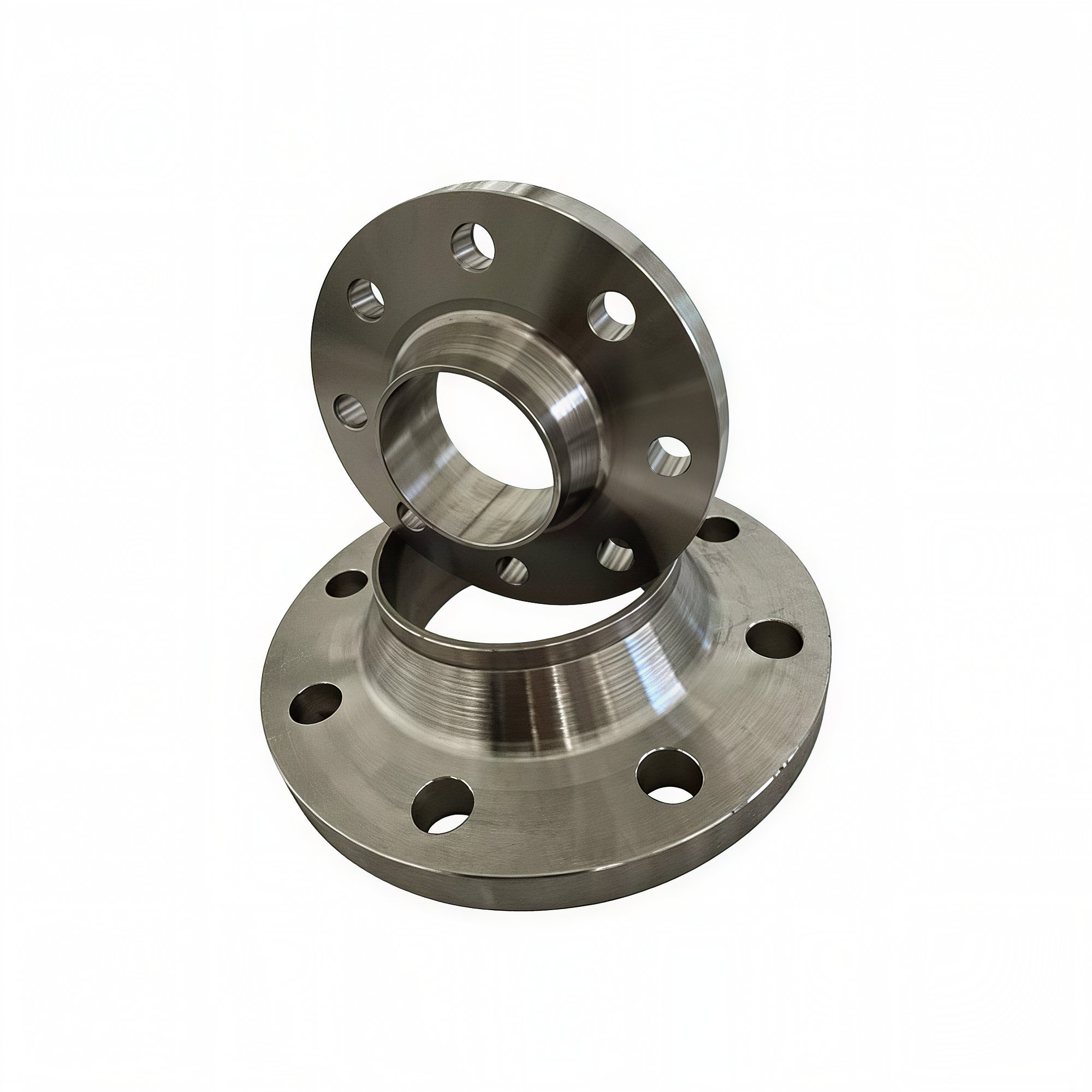
For construction project managers, OEM fabricators, piping contractors and B2B procurement teams across North America and Europe, material selection directly shapes project safety, schedule control and total ownership cost. Our High Precision High Quality Industrial Titanium Alloy Flange is a core component within the Titanium Fittings portfolio manufactured by QYX METAL CO., LTD. Rooted in Baoji, the world-famous “China Titanium Valley”, we produce this Titanium Alloy Flange from traceable premium Titanium Materials. It serves as a reliable connection solution for process piping, building utility systems, coastal construction and special civil engineering projects. Below we break down the top ten advantages that make titanium alloy flanges a premium choice for modern construction.
Lightweight yet Strong: Ideal for Structural Integrity
Titanium alloy delivers an exceptional strength-to-weight ratio that outperforms carbon steel and standard stainless steel, which is extremely valuable for construction piping skids, overhead pipe racks and building mechanical systems. Our Titanium Alloy Flange maintains high mechanical strength while cutting dead load on steel frames, concrete supports and suspended pipe structures. This reduces structural reinforcement requirements and lowers the overall burden on building foundations. QYX manufactures this product alongside Titanium Forgings, Aircraft Titanium Material and Titanium Auto Part, applying consistent forging and CNC precision standards to guarantee stable structural performance for construction-grade piping connections.
Corrosion Resistance: Long-lasting in Harsh Environments
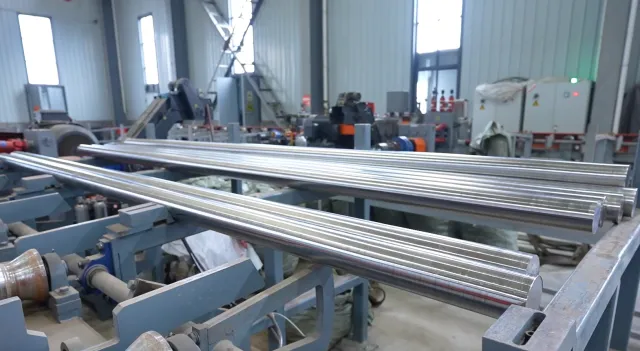
Coastal construction, underground utility piping and buildings with humid or chemical exposure suffer heavily from rust and pitting on conventional metal flanges. Titanium naturally forms a thin, self-repairing passive oxide film on its surface. This protective layer resists chloride, seawater, acid rain, alkaline soil and many corrosive cleaning media. For marine construction, desalination supporting facilities and chemical plant auxiliary buildings, Titanium Alloy Flange avoids frequent flange replacement and unexpected leakage shutdowns. Compared with carbon steel flanges that require repeated coating maintenance, titanium eliminates most anti-corrosion treatment work and keeps construction piping systems stable for decades. Our raw material lab strictly inspects all incoming Titanium Materials and provides full MTC certificates for every batch.
High Temperature Tolerance: Suitable for Extreme Conditions
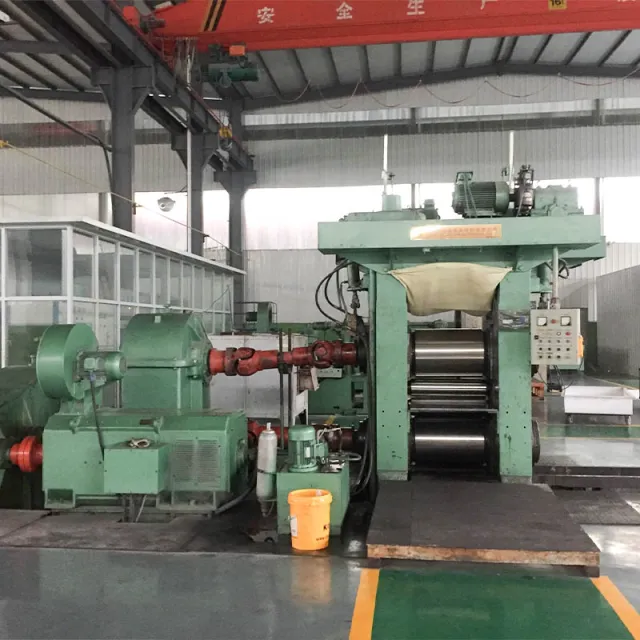
Many construction mechanical systems carry high-temperature hot water, steam or process fluid. Unlike many lightweight alloys that soften rapidly under heat, titanium alloy maintains stable mechanical properties under elevated temperatures and retains good toughness at cryogenic working conditions. This makes our Titanium Alloy Flange suitable for heating piping systems, energy station auxiliary structures and low-temperature fluid delivery pipelines in large commercial buildings. QYX’s in-house R&D team continuously optimizes heat treatment parameters for Grade 2 and Grade 5 (Ti‑6Al‑4V) titanium products. The same technical system supports custom development for Medical Titanium Alloy and high-spec Aircraft Titanium Fasteners.
Low Maintenance: Reduces Long-term Costs and Efforts
Construction assets are designed for long service cycles, and maintenance expense is a major concern for developers and facility management teams. Titanium alloy flanges do not need regular painting, anti-rust coating or cathodic protection. As long as basic handling rules are followed, the sealing face and substrate stay stable for years. Less inspection labour, fewer spare parts inventory and fewer shutdown repairs directly reduce the lifecycle budget of building MEP systems. Our one-stop supply model covers Titanium Fittings, flanges and custom machined titanium components, so procurement managers can consolidate suppliers and simplify after-delivery technical coordination.
Versatile Applications: Used Across Various Construction Projects
While this article focuses on construction scenarios, our titanium alloy flanges adapt to a wide range of project types:
- Coastal high-rise and waterfront building MEP piping
- Desalination and water treatment plant construction
- New energy power station supporting civil engineering
- Pharmaceutical and food factory clean-room piping systems
- Chemical park auxiliary buildings and corrosion-resistant pipe networks
- Subsea and offshore platform onshore prefabrication modules
We produce multiple flange types including weld neck, slip-on, blind, threaded, flat face, raised face and ring joint face. OEM and ODM custom processing is available to match your construction drawing requirements.
Enhanced Durability: Withstands Wear and Tear Over Time
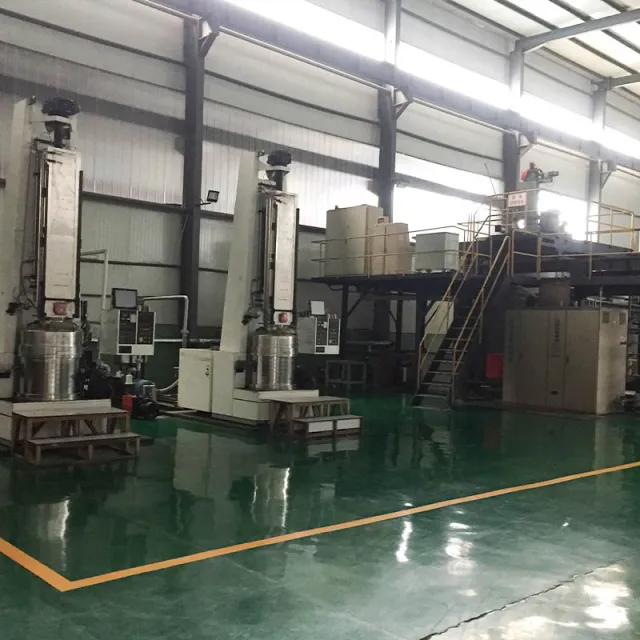
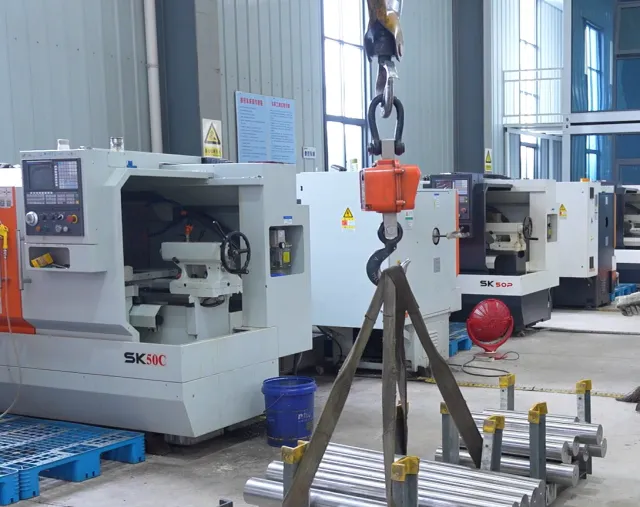
On construction sites, piping components face vibration, thermal cycling and occasional mechanical impact during installation and operation. Every QYX titanium alloy flange is forged first then processed by CNC precision machining. Forging refines the internal grain structure and improves fatigue resistance, while tight tolerance control ensures uniform sealing contact. This design resists creep, joint loosening and surface abrasion under long-cycle working conditions. Our factory has multiple CNC workshops, spectrometers and hardness testing equipment to perform full sampling inspection for Titanium Forgings and finished flanges before shipment.
Non-Magnetic Properties: Safe for Sensitive Equipment Areas
Modern construction includes data centres, medical buildings, laboratory facilities and precision equipment workshops where magnetic interference will damage instruments and affect measurement accuracy. Titanium alloy is naturally non-magnetic and non-toxic. Installing Titanium Alloy Flange in these sensitive zones will not introduce magnetic disturbance. This advantage is irreplaceable for hospital clean piping, laboratory process lines and semiconductor factory utility systems. Our technical team often combines this advantage with Medical Titanium Alloy material experience to provide compliant piping solutions for high-standard construction projects.
Eco-Friendly Material: Supports Sustainable Building Practices
Sustainable construction, green building certification and carbon reduction targets are increasingly important for general contractors and asset owners. Titanium is highly recyclable; titanium scraps, forgings offcuts and rejected blanks can be recycled and re-smelted with minimal loss of metallurgical performance. The long service life also cuts down repeated manufacturing, transportation and replacement waste. QYX METAL sorts and recycles all titanium chips generated in our production lines, aligning our manufacturing workflow with circular economy principles. Choosing titanium flanges helps your construction project earn extra evaluation points for green building standards.
Easy Fabrication: Simplifies Customization and Installation Processes
Many construction projects require non-standard flange sizes, special pressure classes or unique sealing groove designs. Titanium alloy can be machined, cut and welded by experienced fabricators. QYX accepts drawing-based OEM orders and delivers pre-machined flanges with full dimensional reports. Our tight tolerance control guarantees bolt hole alignment and sealing flatness, which reduces on-site fitting adjustment time for piping crews. Smooth sealing surfaces help installers achieve uniform gasket compression and avoid leakage caused by uneven contact. We also supply matched Titanium Fittings to ensure material compatibility across the whole piping loop.
Cost-Effective Investment: Balances Initial Expense with Longevity
It is true that titanium alloy flanges carry a higher upfront unit price than carbon steel or ordinary stainless steel. However, B2B procurement managers should evaluate total lifecycle cost instead of one-time purchase cost. Extended service intervals, almost zero anti-corrosion maintenance, fewer replacement parts and less downtime create clear long-term savings. For high-value construction projects with 20+ year design life, titanium alloy flanges often become the most economical option when calculating maintenance, shutdown loss and replacement labour cost together. QYX provides third-party test reports and clear quotation breakdowns to help your engineering team complete lifecycle cost comparison.
Industry Standard科普: Quality & Safety Specifications for Construction Piping Flanges
When specifying Titanium Alloy Flange for construction MEP and process piping, global engineers commonly reference these core standards:
- ASME B16.5: Governs flange dimensions, pressure-temperature ratings and sealing face configurations
- ASTM B381: Standard specification for titanium alloy forgings, covering chemical composition and mechanical requirements
- ASTM B363: Standard for seamless and welded titanium fittings
- ISO 9001: QYX’s quality management system, supported by TUV and BV third-party certification
All inspection documents, MTCs and dimension check records are supplied upon RFQ to support construction submittal packages and client audit.
Industry Trend Interpretation: Titanium Application Trends in Construction
Green building codes, coastal infrastructure expansion and stricter asset durability requirements are driving the adoption of titanium components in construction. General contractors and consulting engineers are gradually shifting from “lowest bid material selection” to lifecycle value assessment. ESG reporting requirements push building owners to select recyclable, low-maintenance metals. Meanwhile, modular construction and prefabricated piping skid projects prefer one-stop suppliers who can provide flanges, Titanium Fittings and custom Titanium Forgings together. For B2B dealers, stocking construction-grade titanium alloy flanges creates differentiated product lines targeting waterfront, medical and new energy building projects.
New Technology R&D & Application Updates
Global titanium material developers are advancing near-net-shape forging technology, which reduces raw material waste and shortens CNC machining cycles for complex flange geometries. Optimized passivation treatment processes improve anti-fouling performance for titanium surfaces used in humid construction environments. Digital metrology systems and AI-assisted defect screening are being adopted to improve consistency for high-volume custom orders. Advanced thermal cycle simulation tools help engineers predict flange joint behaviour under building temperature swings and piping vibration. At QYX METAL, our R&D team continuously upgrades forging and machining workflows for Titanium Alloy Flange. We transfer technical know-how accumulated from Aircraft Titanium Material and Aircraft Titanium Fasteners development to construction-grade products, while building digital traceability systems linking every finished component to raw billet, heat treatment log and inspection data to simplify compliance work for overseas OEMs and construction distributors.
What B2B Procurement Managers Focus on When Sourcing Titanium Alloy Flanges for Construction
Seasoned B2B procurement specialists for construction supply chains focus on five core priorities beyond unit price. First, full material traceability and certified test documentation are mandatory, as construction engineering reviews and local building inspectors require verifiable alloy grade proof, especially for coastal and high-risk utility piping. Second, strict compliance with ASME and ASTM standards ensures interchangeability and eliminates costly on-site rework during prefabrication or installation. Third, flexible OEM support is critical; construction projects frequently need custom sizes, special face types and small-batch urgent orders to match design variations. Fourth, stable lead time and responsive engineering support are essential, because delayed piping components can hold up the whole construction schedule. Fifth, consolidated sourcing capability brings big efficiency gains: buyers prefer manufacturers able to bundle Titanium Alloy Flange with Titanium Fittings, Titanium Forgings and other Titanium Materials, instead of coordinating multiple separate metal vendors. QYX METAL structures our quotation workflow, document package and production planning around these five key concerns for European and North American distributors, OEM fabricators and general contractors.
Product Use & Maintenance Guidance for Construction Titanium Alloy Flanges
Correct installation and simple maintenance will protect the sealing surface and passive oxide film, maximizing service life on construction piping systems:
- Prevent iron contamination: Keep steel brushes, steel tools and ferrous metal debris away from titanium sealing faces
- Inspect sealing grooves and contact surfaces before installation; reject flanges with deep scratches or embedded grit
- Use non-chloride neutral cleaners and lint-free non-metallic wipes for cleaning
- Store flanges indoors with protective caps on sealing surfaces, separated from carbon steel by wooden or plastic spacers
- Follow cross-pattern incremental bolt torque sequence per ASME guidelines during flange assembly
- Avoid applying grease or lubricant directly onto the gasket seating sealing surface
FAQ: Frequently Asked Questions for Construction Buyers
Q1: Which titanium grades do you supply for construction flanges?
A1: We provide Grade 2 commercially pure titanium and Grade 5 (Ti‑6Al‑4V) titanium alloy flanges. Custom alloy grades can be developed for special construction media requirements.
Q2: Can QYX produce titanium alloy flanges according to construction shop drawings?
A2: Yes. We support full OEM and ODM custom machining. Send your drawing, pressure class, standard and quantity together with your RFQ for formal quotation.
Q3: Can titanium flanges connect directly with stainless steel piping in building systems?
A3: Direct dissimilar metal contact in wet, chloride-rich construction environments creates galvanic corrosion risk. Contact our engineering team for isolation recommendations.
Q4: What certifications can you provide for construction submittal?
A4: ISO9001, TUV and BV certificates, MTC material test certificates, dimensional inspection reports and third-party test reports are available.
Q5: What is the typical lead time for custom construction titanium flanges?
A5: Lead time depends on complexity, quantity and raw material schedule. Write to Negan@qyx-metal.com with your specification for accurate lead time confirmation.
Conclusion
From lightweight structural advantages and outstanding corrosion resistance to non-magnetic safety and green building compatibility, the ten benefits covered in this article prove that Titanium Alloy Flange is a high-value piping connection solution for modern construction. Backed by QYX METAL’s advanced factory facilities, professional R&D team and complete certification system, we deliver reliable Titanium Materials, Titanium Fittings, Titanium Forgings, Aircraft Titanium Material, Medical Titanium Alloy and Titanium Auto Part for global B2B buyers. If your construction project needs durable, leak-free Titanium Piping components, send your drawings, specifications or RFQ to us today.
References
1. Wikipedia contributors. (2025). Titanium. Wikipedia, The Free Encyclopedia.
2. Construction & Corrosion Engineering Group. (2024). Titanium Alloy Piping Components for Coastal Building MEP. Reddit r/StructuralEngineering
3. Industrial Piping Technical Community. (2024). ASME B16.5 Flange Installation & Material Compatibility Guide. Quora Engineering Publication
4. Journal of Sustainable Construction Materials. (2025). Lifecycle Performance of Titanium Fittings in Humid and Chloride-Exposed Building Systems.
Connect with QYX METAL
- Email: Negan@qyx-metal.com
- WhatsApp: +86 18791795597
- LinkedIn: https://www.linkedin.com/in/leon-li-80687933b/
- Facebook: https://www.facebook.com/profile.php?id=100085767445028
- YouTube: https://www.youtube.com/channel/UCKRZDvakWR3cWKV_IzVdusg
- Instagram: https://www.instagram.com/qyx_titanium/